 HeySolids
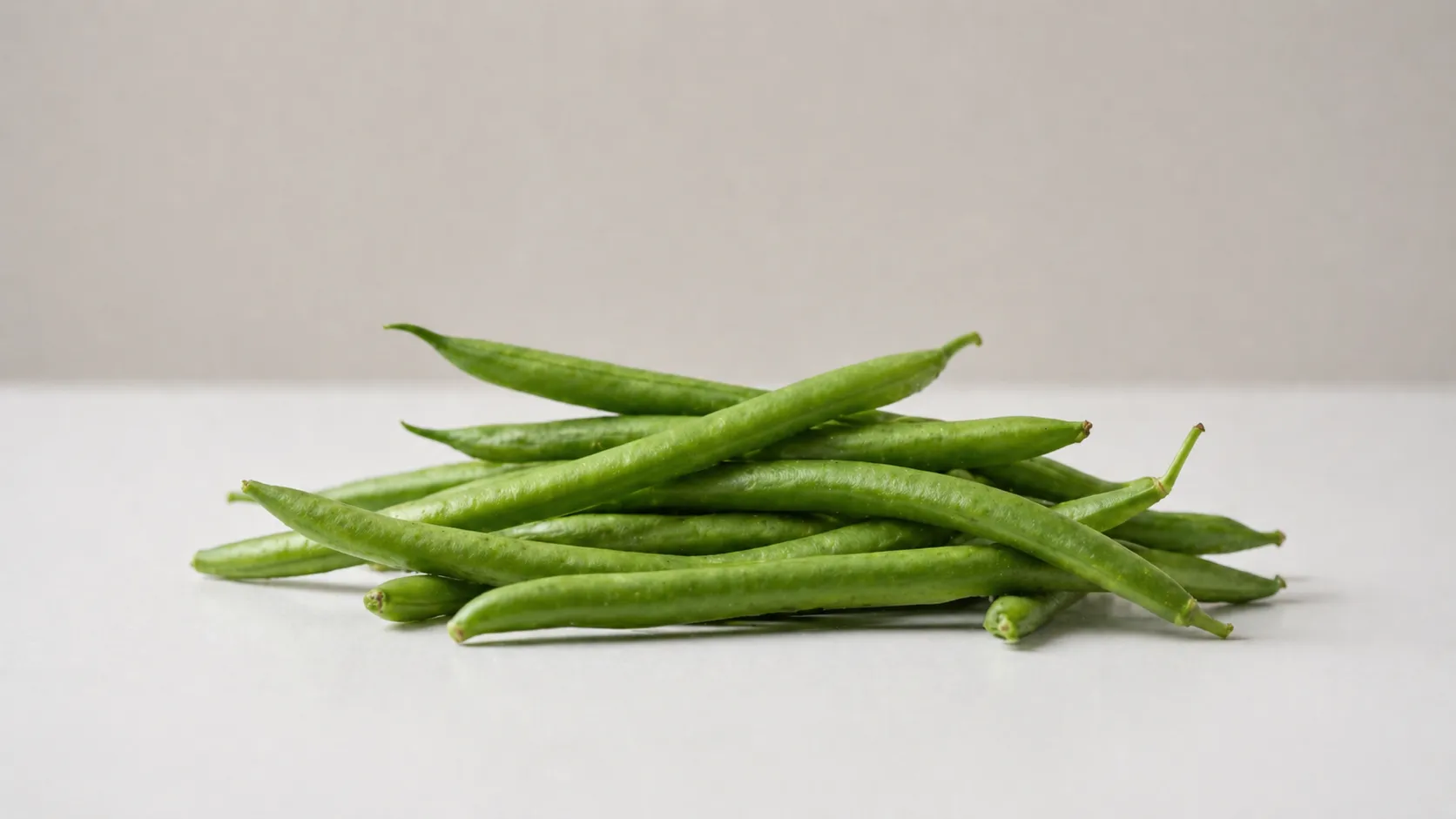
Choking risk
Green beans are a moderate choking risk - a raw or firm bean is round, tube-shaped, and stringy, all of which can make it hard for a baby to manage.
Cook green beans until they squash easily between two fingers and trim off the stringy ends, then serve whole soft beans or flatten them with a fork for younger eaters. See how to serve for age-by-age prep.
Allergens
Green beans are not a common food allergen, so a true food allergy to them is rare.[2]
Start with a small amount and watch for a reaction.
If baby refuses
Green beans go down best cooked until completely soft, since any squeak or firmness can put babies off. If yours is unsure, chop them finely into a potato mash or stir them through pasta. Keep offering them - familiar tastes build acceptance over time.
How to serve
6+ months old
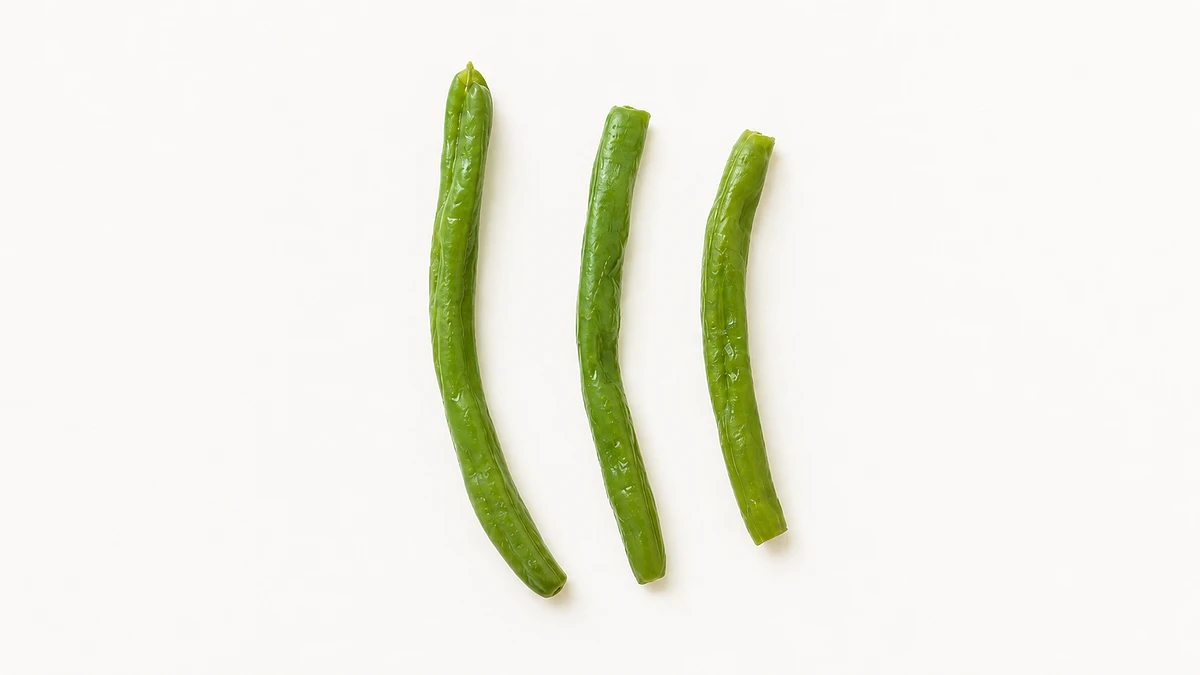
Whole soft bean or smooth mash
A whole bean, about 3 to 4 inches long
Offer a whole cooked bean for baby to grip and gnaw - a long bean is easy for little hands to hold, and cooking it soft lets baby work it with their gums. For younger or less experienced eaters, flatten the bean with the back of a fork or slice it lengthwise first.
How to cook
Trim the ends, then steam or boil for about 8 to 10 minutes until very soft with no snap. The bean should squash easily between two fingers before serving.
9+ months old
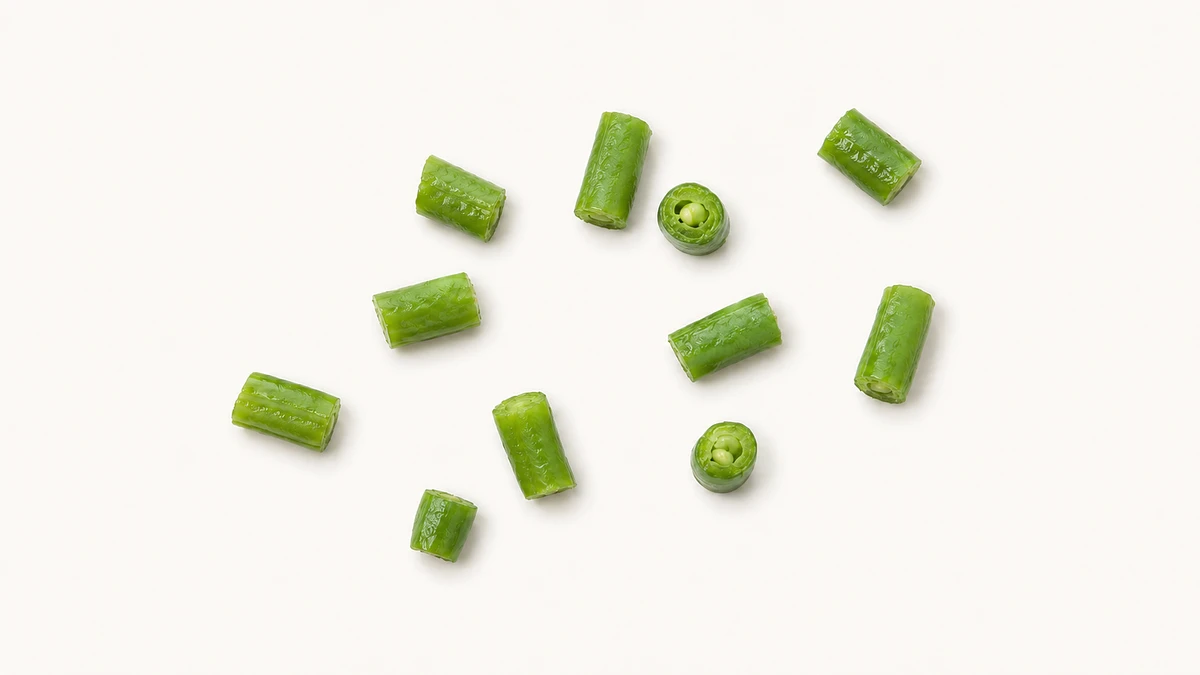
Small soft pieces
About 1/2 inch, bite-sized
As baby starts to pick up smaller pieces, cut soft cooked beans into short bite-sized lengths for pincer-grasp practice. Whole soft beans still work well, and this is a good time to try spearing pieces with a fork.
How to cook
Steam or boil until soft, then chop into bite-sized pieces. Keep them soft enough to squash easily between two fingers.
12+ months old
Chopped pieces or whole soft beans
Bite-sized, about 1/2 to 1 inch
Offer soft beans whole or chopped into bite-sized pieces for self-feeding, and let baby practice with a fork. Green beans work well stirred through pasta and rice, or served alongside fish or a mash. As chewing skills grow you can cook them a little less for more texture, while keeping them soft.
How to cook
Steam, boil, roast, or stir-fry until tender. Family textures are fine from this stage, but skip added salt in baby's portion.
Tips
Frozen green beans are picked and frozen at their peak, so they are just as nutritious as fresh and steam well straight from frozen. Cook a batch soft, then squash for younger babies. They pair nicely with a little olive oil, a squeeze of lemon, or stirred through mash and pasta.