 HeySolids
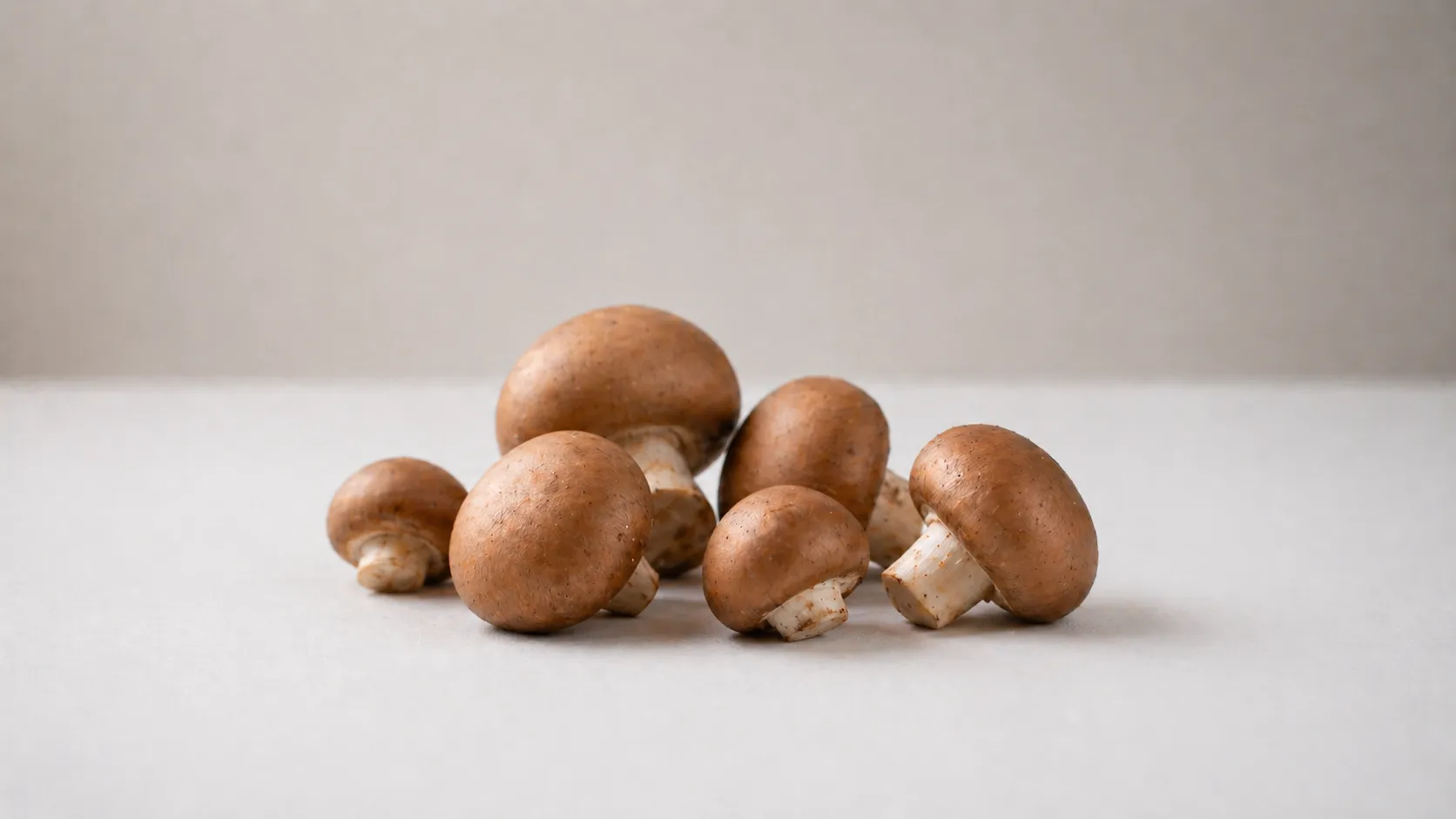
Choking risk
Mushroom is a moderate choking risk - the springy, slippery texture resists chewing even when cooked, and whole caps or round slices are easy to choke on.
Cook mushroom until soft, then chop or grate it small and stir it into a dish rather than serving whole pieces or round slices. See how to serve for age-by-age prep.
Allergens
Mushroom is not a common food allergen, so a true allergy to it is rare.[2]
Start with a small amount and watch for a reaction.
If baby refuses
The earthy taste can take a few goes to win over. Grate mushroom fine and cook it into a dish baby already likes - tomato pasta sauce or scrambled egg - so the flavour blends in. New foods often take a good few tries before they land.
Food safety
Use only store-bought mushrooms, never wild or foraged ones - some poisonous wild species look almost identical to safe kinds. Wipe or rinse them clean, and always cook until soft, since raw mushroom is tough for a baby to chew.[3]
Are mushrooms hard for babies to digest?
It's a common worry, but with cooked mushrooms there's not much to it. Raw mushrooms are genuinely tough for a baby to chew and digest - that's the real reason you always cook them well.
Cooking softens them, makes them gentler on a little stomach, and kills any bacteria raw mushrooms can carry. Cooked soft and chopped small, they're fine for babies from around 6 months.
Mushrooms are high in fiber, so a bit of extra gas or a looser diaper while your baby gets used to them is normal - not a reason to stop. Just bring them in gradually, like any new food.
How to serve
6+ months old
Finely chopped or blended into a dish
Cook mushroom very soft, then finely chop or blend it into a sauce, mash, risotto, or omelet. Mixed into a soft food it's far easier to manage than slippery whole pieces, which are hard to chew at this age.
How to cook
Wipe clean, then sauté, steam, or simmer until completely soft, about 8 to 10 minutes. Finely chop or blend before stirring in. Use store-bought mushrooms only.
12+ months old
Small soft chopped pieces in family dishes
Chopped small, about 1/2 inch
Stir small, soft chopped mushroom into family dishes like pasta sauce, stir-fries, risotto, and omelets. Keep it cooked soft and chopped small - the springy texture stays tricky even for older toddlers, so chopping small does more than cooking alone. Larger soft pieces can come in as chewing improves, cut into strips rather than round slices.
How to cook
Sauté, roast, or simmer until soft, then chop small before serving. Mushrooms soak up salt easily, so keep dishes shared with baby low in salt.
Tips
- Don't soak them - wipe them. Mushrooms are like sponges and soak up water, which makes them slimy and stops them browning. Wipe them with a damp cloth or give them a quick rinse and pat dry, rather than leaving them to sit in water.
- Cook them dry first. Mushrooms release a lot of water as they cook, so start them in a dry or barely-oiled pan and let that liquid cook off before adding anything else - you get firmer, more flavourful mushroom instead of a watery, floppy result, and any butter or oil goes further.
- They're a stealth flavour booster. Finely chopped mushroom cooked down into a sauce, bolognese, or meatballs adds a deep savoury background without a strong "mushroom" flavour or texture - a good way in for a baby who rejects visible pieces, and it stretches meat dishes further.