 HeySolids
Choking risk
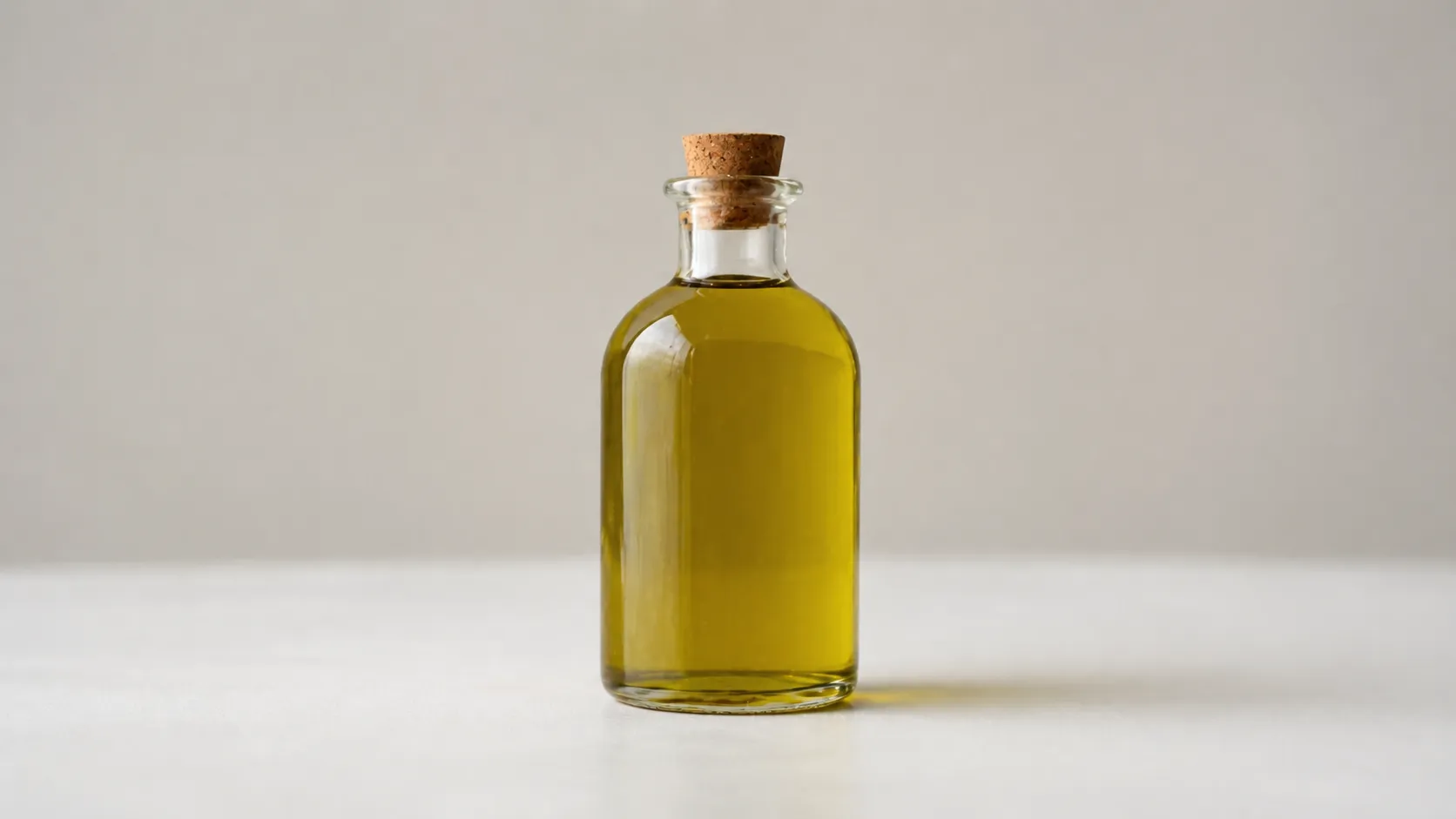
Olive oil is a low choking risk - it is a liquid that mixes into food, not a firm piece a baby has to chew.
Stir or drizzle a small amount into soft food, and let anything hot cool before serving. See how to serve for age-by-age prep.
Allergens
Olive oil is not a common food allergen, so a true allergy to it is rare.[1]
Olive oil is almost entirely fat with only trace protein, so it is usually well tolerated even by babies with other food allergies. If your baby has a diagnosed food allergy, check the label - some bottles sold for cooking blend olive oil with other oils, which may include ones your child reacts to.[1]
Start with a small amount and watch for a reaction.
If baby refuses
Olive oil is an ingredient, so there is rarely anything to refuse. If a strong, peppery extra virgin oil makes a dish taste bitter, switch to a milder light olive oil for everyday cooking.
How to serve
6+ months old
Use olive oil as a cooking fat and an ingredient, not a food on its own. Stir a small amount into a thick puree or mash to loosen it, or use a little to gently cook and soften age-appropriate vegetables. A drizzle over soft cooked food adds healthy unsaturated calories.[2]
How to cook
No special prep needed - stir a small amount through mash, puree, or cooked vegetables. Keep the amount small, since oil is calorie-dense.
12+ months old
Olive oil can be used the way you use it in everyday family cooking: to cook with, to finish a dish, or drizzled over soft veg and grains. It is unsalted and mostly unsaturated fat, so it is an easy everyday choice - just keep amounts sensible, since oil is calorie-dense.
How to cook
No special prep needed - use a small amount in family cooking as a fat, a finish, or a drizzle.