 HeySolids
Choking risk
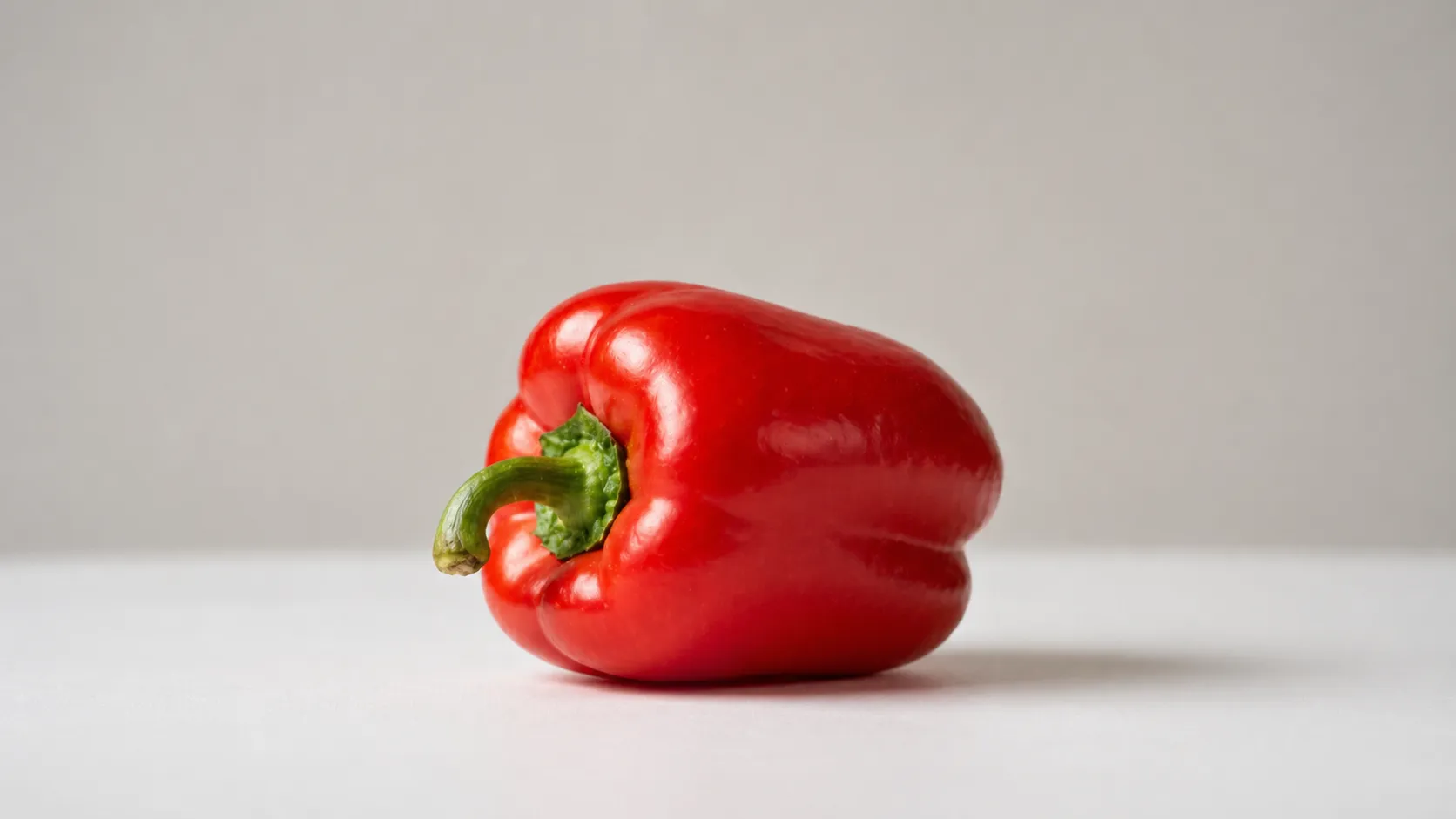
Bell pepper is a moderate choking risk - raw pepper is firm and slippery, and its tough skin can peel off in the mouth and slide to the back of the throat.
Cook it until soft and peel the skin off before serving. Hold off on raw pepper until your baby is chewing well, usually around 12 months. See how to serve for age-by-age prep.
Allergens
Bell pepper is not a common food allergen, so a true allergy to it is rare.[3]
Start with a small amount and watch for a reaction.
If baby refuses
Roast it until completely soft and sweet - that mellows the flavour a lot. Reach for red, yellow, or orange peppers over green, which is sharper and more bitter. And mixing cooked pepper into pasta sauce, scrambled egg, or a dip can make it more familiar by pairing it with something baby already likes.
How to serve
6+ months old
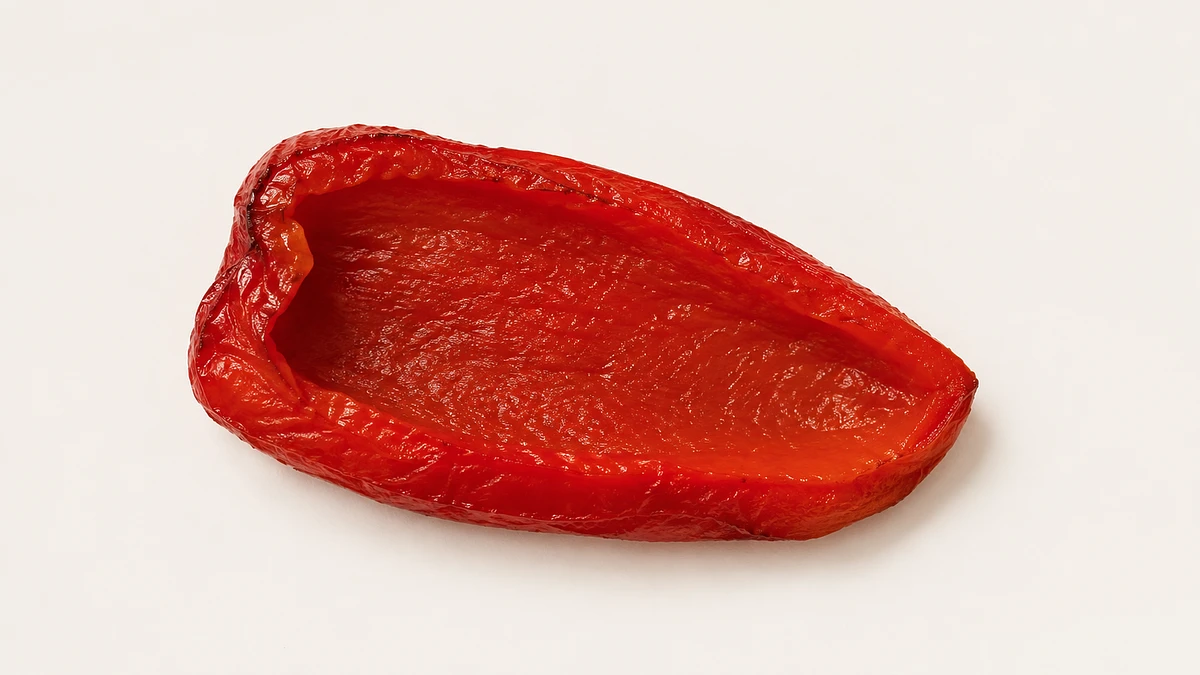
Large soft-cooked strip or half, skin removed
Finger-length strip or a soft half, big enough to grip
Roast or steam pepper until very soft, peel off the skin, and cut into large finger-length strips baby can grip and gnaw - or offer a soft-cooked pepper half as a scoopable "boat" to hold and munch. Removing the skin matters now, since it can peel away in the mouth and be hard to manage. Use sweet peppers and remove the stem, seeds, and pith. Soft cooked pepper also blends smoothly into a dip or sauce on a pre-loaded spoon.
How to cook
Roast at 400°F for 20 to 25 minutes until soft and the skin loosens, or steam until completely soft. Covering the cooked pepper for a few minutes helps the skin slip off. A piece should squash easily between two fingers before serving.
9+ months old
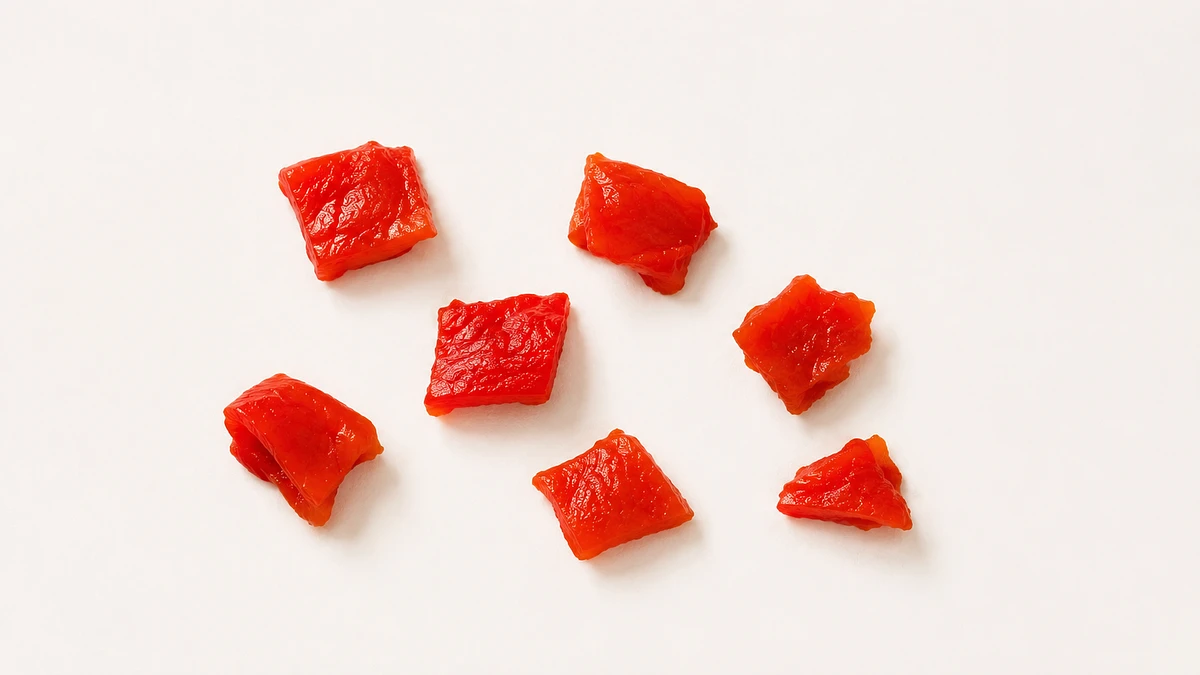
Small soft-cooked pieces
About 1/2 inch, bite-sized
As the pincer grasp develops, offer small soft-cooked pieces of pepper, skin and seeds removed, alongside a larger strip baby can still hold. Save raw pepper for later - its firm, slippery skin is hard to manage at this stage. Some pieces will come back out as baby practises, which is normal.
How to cook
Roast, steam, or sauté until fully soft, removing skin, seeds, and pith. Cooked pepper stirs easily into pasta sauces, egg dishes, and dips now.
12+ months old
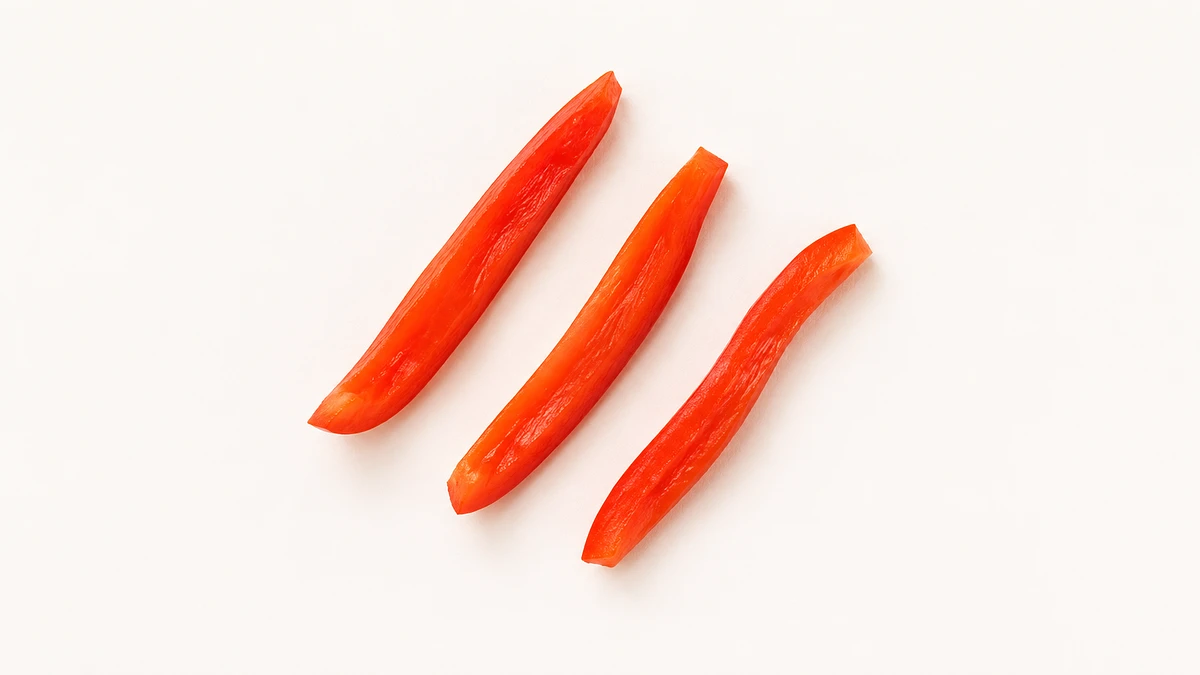
Thin raw strips or soft-cooked pieces
Paper-thin raw strips, or bite-sized cooked pieces about 1/2 inch
Many toddlers can manage paper-thin strips of raw pepper as chewing improves, with seeds and pith removed. Peel raw strips for younger toddlers, since the skin can still be hard to chew. Soft-cooked pepper in slices or bite-sized pieces stays an easy option. Avoid raw rings, rounds, or thick chunks.
How to cook
Serve raw in thin strips, or roast, grill, or sauté until soft. Skin can stay on when pepper is soft-cooked, since cooking softens it enough that it no longer peels away in the mouth - but peel raw strips if your toddler finds the skin tricky to chew.
Tips
- Colour tells you how sweet it'll be. Green peppers are unripe and sharper; red, yellow, and orange are riper and naturally sweet - the easier sell for babies and toddlers, so start there.
- Roast to get the skin off easily. Roast until the skin blisters, then cover the pepper for a few minutes - the skin slips off in sheets, no peeler needed. The simplest way to hit the skin-off step younger babies need.
- Pair it with iron-rich foods. Peppers are high in vitamin C, so serving them with meat, beans, tofu, or lentils helps baby absorb more of the iron in those foods.