 HeySolids
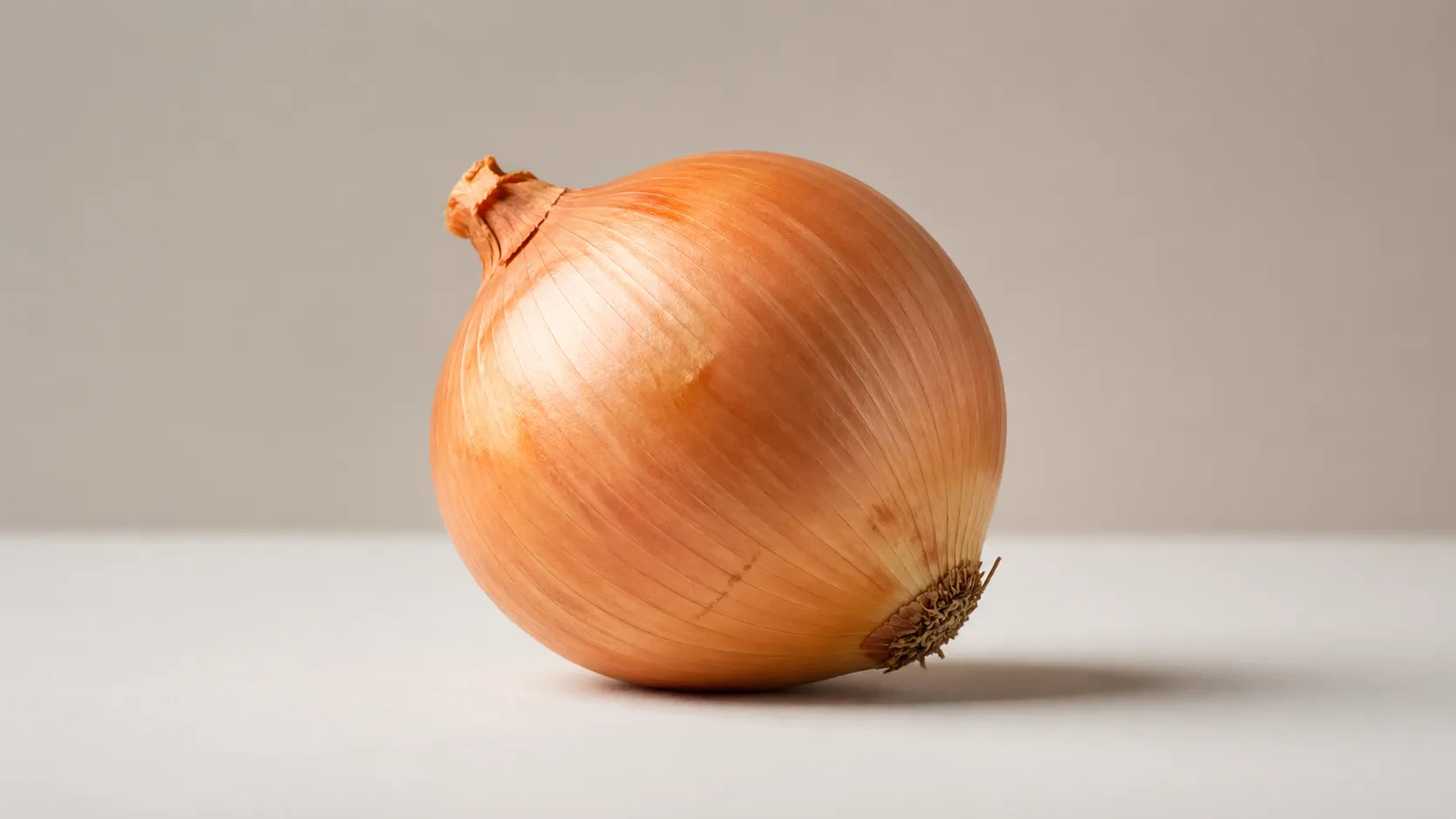
Choking risk
Onion is a low choking risk once it is cooked soft - the risk comes from firm raw pieces and from large, slippery layers or rings.
Cook onion until it squashes easily, then chop it small or cook it down into the dish, and skip raw onion and whole rings for babies. See how to serve for age-by-age prep.
Allergens
Onion is not a common food allergen, so a true food allergy to it is rare.[3]
Some babies get a little gas from onion, especially raw or in larger amounts; that is digestive, not an allergy, and cooked onion is usually well tolerated in modest portions.
Start with a small amount and watch for a reaction.
If baby refuses
Onion usually goes down well once it melts into a dish. If the taste puts baby off, try a milder type - sweet onion or scallions - caramelize it longer for sweetness, or blend it smooth into a sauce they already like.
How to serve
6+ months old
Finely chopped and cooked soft into food
A small amount cooked into a dish
Use onion as a flavor base, not a food on its own. Finely chop it, cook it down soft, then stir or blend it into vegetable purees, mashes, soups, and simple sauces. Cooked onion is sweet and mild, so it builds flavor without any salt. Keep raw onion away from babies - it is firm and too strong.
How to cook
Soften finely chopped onion in a little oil or butter over low heat for 10 to 15 minutes, until soft and golden but not browned, then stir it through the dish. No salt needed.
9+ months old
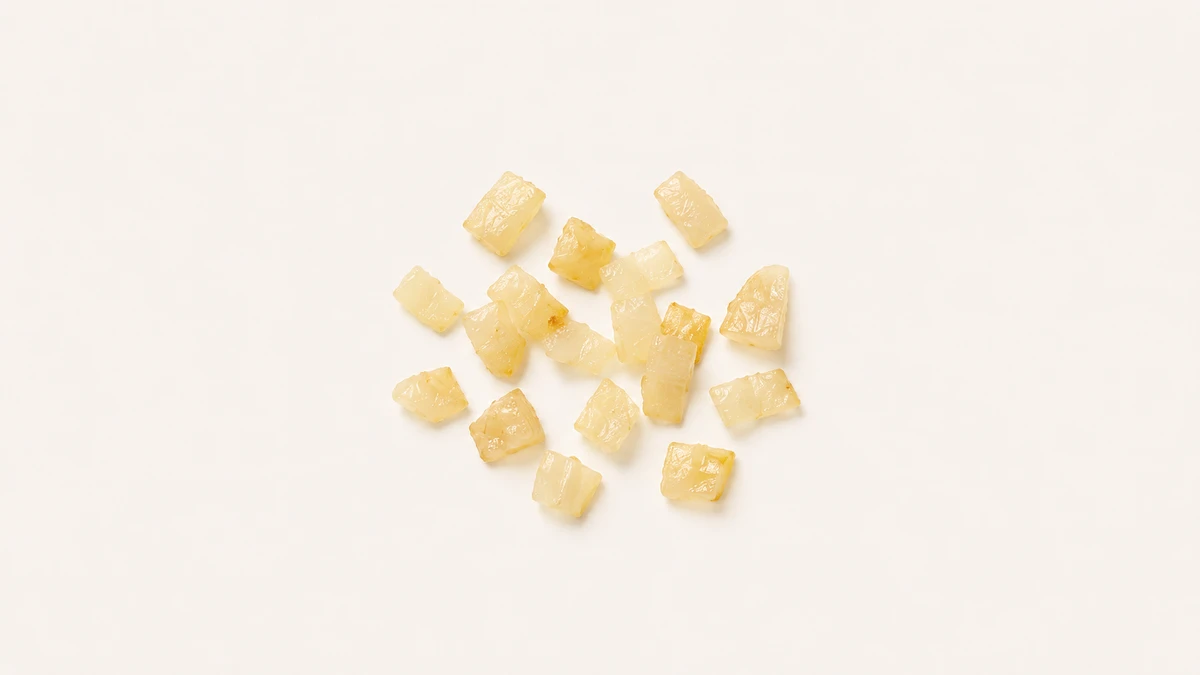
Soft cooked pieces in dishes or to self-feed
Small pieces, about 1/2 inch, soft enough to squash
Keep cooking onion into family dishes like pasta sauces, stews, dals, and roasted vegetables. You can also offer small, soft cooked pieces for baby to pick up - make sure they squash easily, and avoid large rings or whole layers, which are slippery and stringy.
How to cook
Sauté, caramelize, or roast onion until soft and sweet, which removes the sharp bite. No salt needed.
12+ months old
Soft cooked pieces across family meals
Bite-sized pieces or rings, soft enough to squash
Onion fits into family meals now, cooked soft and sweet into dishes. Cooked rings or pieces are fine now as long as they squash easily. Raw onion is still strong and firm, so introduce it slowly and finely chopped, and watch for any tummy upset.
How to cook
Sauté, caramelize, or roast onion into dishes as usual, keeping cooked pieces soft. Sweet onions and scallions stay milder than yellow onions. No salt needed.
Tips
- Cook a batch, freeze in cubes. Softened onion freezes well in an ice cube tray - drop a cube into purees, sauces, or scrambled eggs for instant flavour without starting from scratch each time.
- Low and slow is the trick. Rushing onion over high heat browns the outside while the inside stays firm and sharp. Low heat with a lid on steams it soft and sweet in the same time.
- No tears: chill it first. Ten minutes in the freezer before chopping slows the fumes that sting your eyes - useful when you're cooking one-handed with a baby on your hip.
Sources
- Choking Hazards (Infant & Toddler Nutrition) - CDC
- When, What, and How to Introduce Solid Foods - CDC
- Food Allergies (the 9 major US allergens) - FDA
- Allergic hypersensitivity to garlic and onion in children and adults - Allergol Immunopathol (PubMed 31262565)
- Onions, raw (FDC 170000) - USDA FoodData Central