 HeySolids
Choking risk
Bulgur is a low choking risk - cooked soft, the grains are tender and clump together, which is what makes them easy to manage.
Serve it moist and clumped, never as loose dry grains, which can catch in the throat. See how to serve for age-by-age prep.
Allergens
Bulgur is made from wheat, and wheat is a common food allergen. There's no reason to delay it, though - waiting doesn't prevent allergies, and allergens can start alongside other solids from around 6 months.[1]
If your baby has severe eczema or an existing food allergy, check with your pediatrician before starting allergens.
Start with about 1/4 teaspoon of soft-cooked bulgur mixed into a familiar food, earlier in the day, not near bedtime - and make sure everything else in the bowl is already familiar too, so wheat is the only new food that day. Wait 10 minutes, and if all looks well, carry on with the meal.
Watch for a reaction over the next couple of hours. Build up gradually from there, and keep wheat in the diet a few times a week.[2]
If baby refuses
Bulgur is usually well accepted in soft dishes. If the loose grains are tricky, cook it softer and stir through a familiar sauce, olive oil, or mashed vegetables so it clumps and is easier to gather.
How to serve
6+ months old
Moist bulgur mixed into puree or mash
Spoon-fed, or pressed into a soft patty
Serve bulgur cooked very soft and moist, never as loose dry grains. Stir it into a smooth puree or soft mashed vegetables so the tiny grains cling together and scoop easily, press moist bulgur into a soft patty for baby to pick up, or pre-load a spoon and hand it over.
Skip the salt, and skip stock cubes and jarred sauces too - most carry a lot of it.
How to cook
Pour just-boiled water over the bulgur - roughly 1 part bulgur to 1.5 parts water - cover, and soak for 10 to 15 minutes, until very soft. Stir through a little olive oil or mashed vegetables so it stays moist and clumps together.
9+ months old
Moist bulgur clumped for scooping
Small spoonfuls or soft clumps
As the pincer grasp develops, keep serving bulgur moist and clumped, mixed with soft vegetables or a low-salt sauce so it holds together for scooping and picking-up practice.
A tabbouleh-style mix works too - finely chopped soft herbs and vegetables, no salt in the dressing. Offer a spoon or fork, but don't worry if baby still gathers it by hand.
How to cook
Pour just-boiled water over the bulgur - roughly 1 part bulgur to 1.5 parts water - cover, and soak for 10 to 15 minutes, until very soft. Stir through a little olive oil, butter, or a low-salt sauce so the grains stay moist and bind together.
12+ months old
Bulgur as a side or salad with soft veg
Serve bulgur as a side or a soft salad with cooked vegetables, herbs, and a little oil, or stir it into family soups and stews. Keep it moist so it holds together, and let your toddler practice with a fork or spoon.
Cook family dishes without added salt and season the grown-ups' bowls at the table.
How to cook
Pour just-boiled water over the bulgur - roughly 1 part bulgur to 1.5 parts water - cover, and soak for 10 to 15 minutes, until very soft. Stir through olive oil and soft cooked vegetables, and cook it in plain water rather than stock unless the stock is homemade with no salt.
Tips
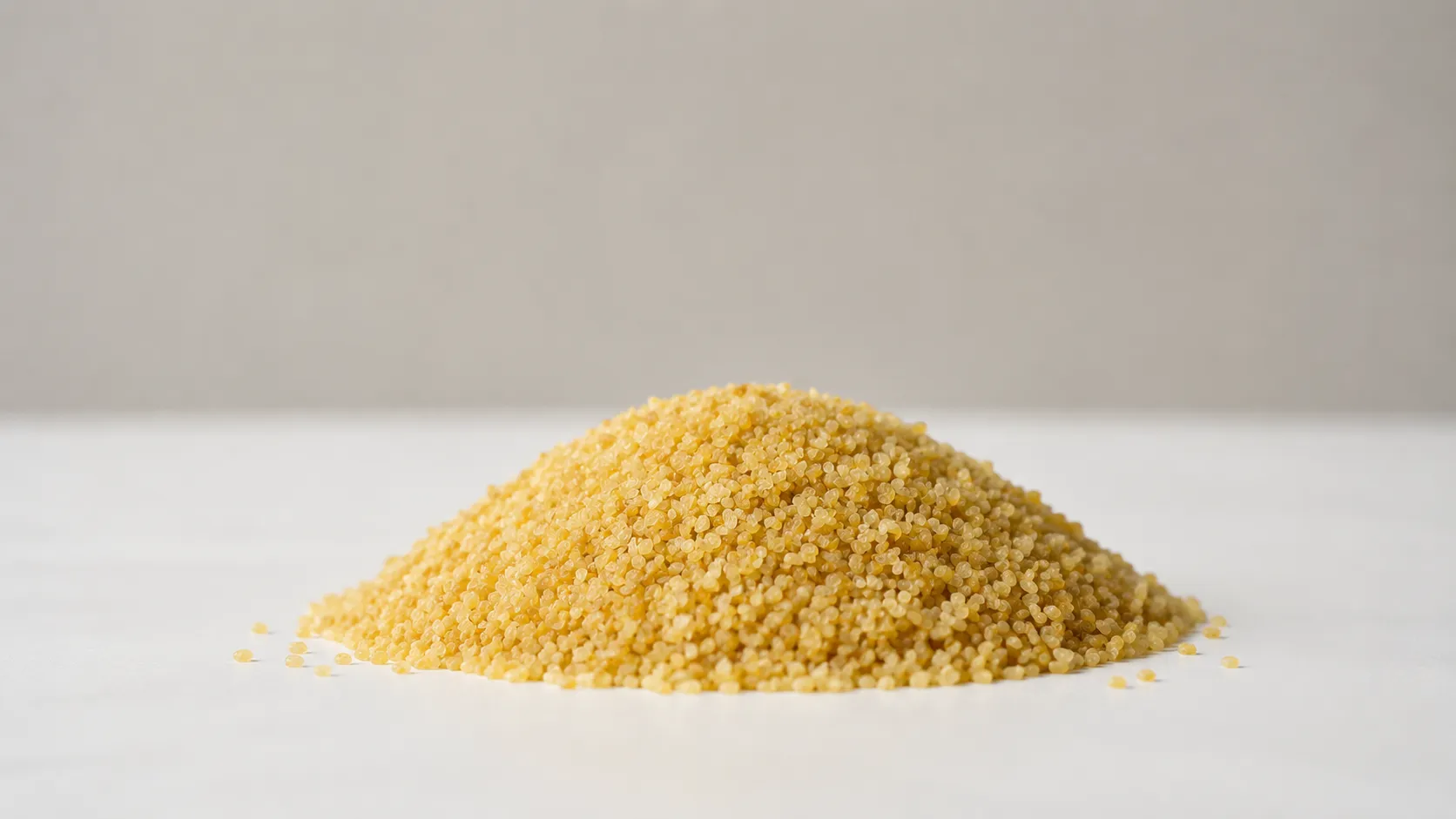
- Check the grind on the bag. Bulgur comes in grades - fine (#1) soaks softest and fastest, making it the best choice for babies; coarse (#3 or #4) stays chewy and needs a proper simmer. If the bag doesn't say, fine bulgur looks close to couscous, coarse closer to rice.