 HeySolids
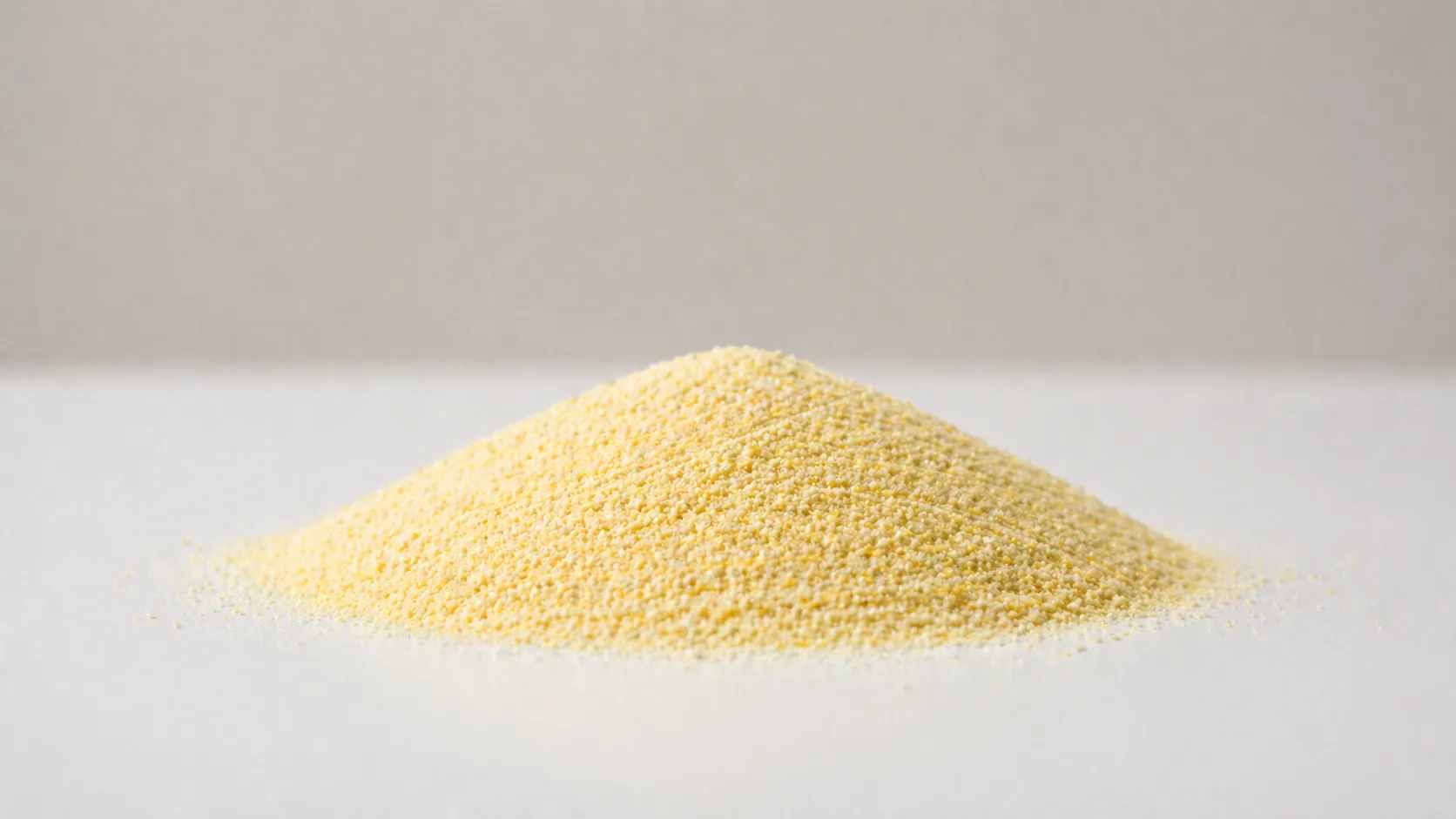
Choking risk
Soft, creamy polenta is a low choking risk - its smooth, scoopable texture is easy for babies to manage.
Serve it soft and creamy; if you offer cooled set polenta, cut it into pieces that still squash easily and keep it from going firm or crispy at the edges. See how to serve for age-by-age prep.
Allergens
Corn is not a common food allergen, so a true allergy to it is rare.[3]
Cornmeal is also naturally gluten-free, a handy grain for families avoiding wheat or gluten.
Start with a small amount and watch for a reaction.
If baby refuses
Soft polenta is mild and usually well accepted. If yours turns it down, stir in a little butter, mild cheese, or a vegetable puree for more flavor, or loosen the texture. Cooled, sliced polenta has a firmer feel that some babies prefer.
How to serve
6+ months old
Soft creamy polenta or thick porridge
Spoon-fed or scooped from a bowl
Cook cornmeal into a soft, creamy polenta or thick porridge baby can scoop by hand or from a pre-loaded spoon. Make it with water or baby's usual milk, or with whole cow's milk - fine in cooking from 6 months, just not as a drink until 12 months. If cow's milk hasn't had its own first taste yet, cook with water until it has. Leave out the salt.
How to cook
Whisk cornmeal into simmering liquid, roughly 1 part cornmeal to 4 parts liquid, and stir for 20 to 30 minutes until very thick and creamy. Cool until just warm before serving.
9+ months old
Soft polenta or set polenta fingers
Finger-length strips, or bite-sized pieces about 1/2 inch
Keep offering soft creamy polenta to scoop. This is also a good stage to cool cooked polenta until it sets, then cut it into soft fingers or bite-sized pieces baby can pick up. They should press easily between two fingers - soft and springy, not firm or crispy.
How to cook
Cook to a smooth, soft polenta, spread it in a thin layer, and chill until set, then slice into strips or pieces. Warm them through gently in a pan or oven - the crisp fried version most recipes call for is one for later, once chewing is stronger.
12+ months old
Creamy polenta or soft set pieces in family dishes
Served as part of a meal; pieces about 1/2 inch
Serve polenta as part of family meals - soft and creamy, or as set pieces alongside soft vegetables. Lightly grilled pieces work now too: let the surface take a little color while the inside stays soft enough to press easily between two fingers. Stirring cornmeal into soups and stews thickens them, which makes them easier for a toddler to manage with a spoon.
How to cook
Cook it creamy, or chill, slice, and warm the pieces through - or lightly grill them, briefly, so only the surface firms. Salt stays low after 12 months, so season the grown-ups' portions at the table.
Tips
- Look for "enriched" or "fortified" on the bag. Much US cornmeal is enriched with iron and B vitamins, and some isn't - for a grain baby eats regularly, the fortified bag is the better buy at the same price. "Degerminated" keeps longest; whole-grain cornmeal has more to offer but lives in the fridge.
- Cook once, serve twice. A pot of creamy polenta today sets into tomorrow's finger pieces on its own - pour the extra into a small dish before serving, chill it, and the second meal is already made.
- Let it rotate. Cornmeal is a lighter grain than oats or wheat, so treat polenta as one grain among several across the week rather than the daily default - variety covers what any single grain misses.