 HeySolids
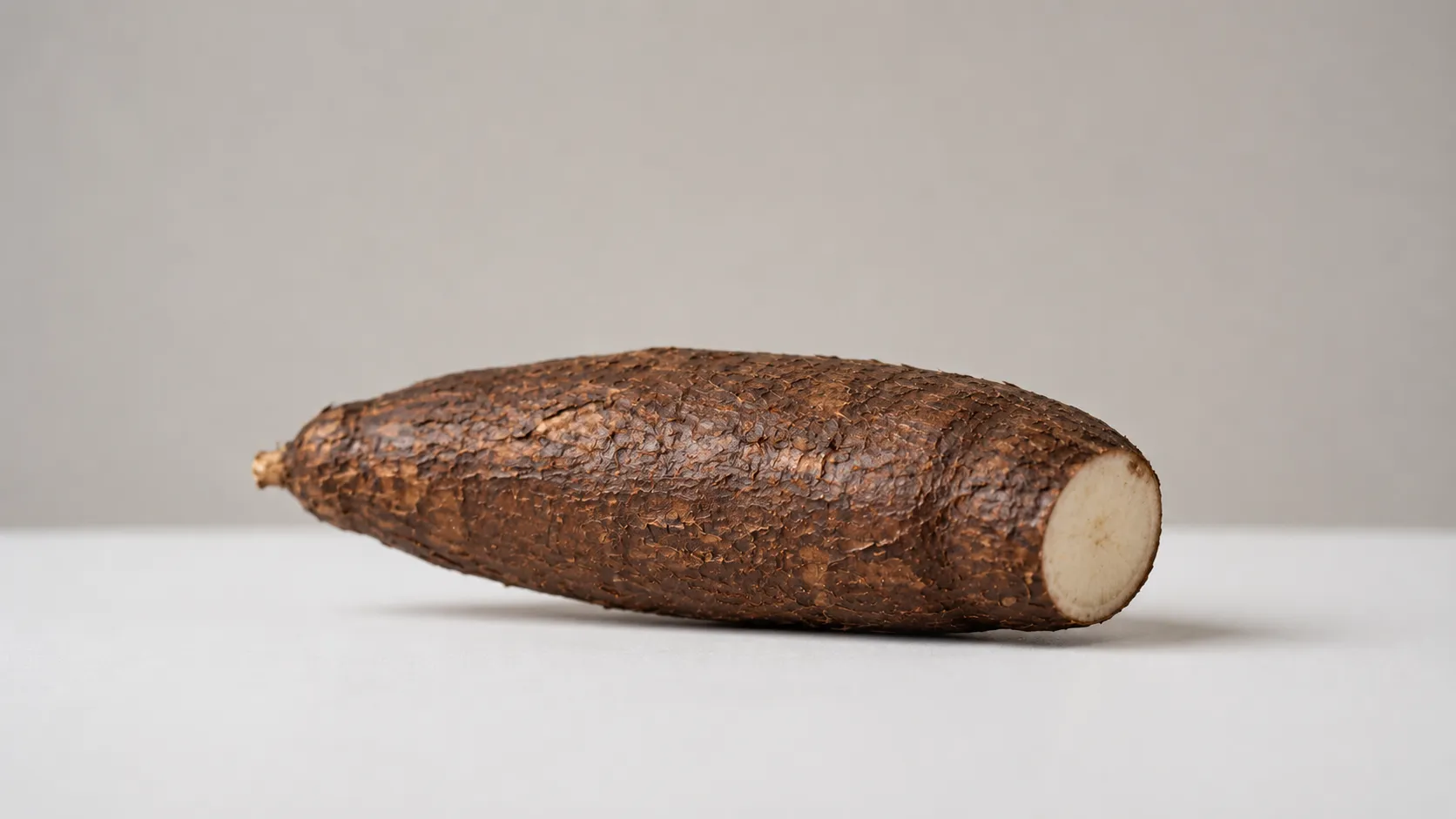
Choking risk
Cassava is a low choking risk once it is cooked soft. The risk comes from firm, undercooked pieces and from hard, dry cassava chips.
Cook it until it presses easily between two fingers, remove the woody core, and serve it as smooth mash or large soft pieces. Fried cassava and cassava chips are not served in this age range. See how to serve for age-by-age prep.
Allergens
Cassava is not a common food allergen, so a true food allergy to it is rare.[2]
Start with a small amount and watch for a reaction.
If baby refuses
Cassava is mild and can taste bland alone. Loosen the mash with a food baby already likes, serve it warm, and offer again in a day or two - new foods often take several tries.
Food safety
Raw and undercooked cassava is toxic. It contains natural compounds that release cyanide, so it must always be peeled and cooked thoroughly before anyone eats it.[3]
Peel it, cut it into pieces, boil until completely soft, and throw the cooking water away. That brings the levels right down. Use the sweet variety rather than bitter cassava, which needs longer soaking or fermenting to be safe.
How to serve
6+ months old
Smooth mash or large soft piece
Wedge about the width of two adult fingers, or mash on a pre-loaded spoon
Mash boiled cassava smooth and serve it on a pre-loaded spoon, or offer a large soft piece for baby to hold and suck on. It is dry and starchy, so stir in a little breast milk, formula, or olive oil to loosen the mash.
How to cook
Peel away the thick skin, cut the cassava into chunks, and remove the woody core running through the middle. Boil for 20 to 30 minutes, until the flesh presses easily between two fingers, then throw the cooking water away.
9+ months old
Small soft pieces
About 1/2 inch, bite-sized pieces
Offer small soft pieces of well-cooked cassava for pincer-grasp practice. If baby struggles with small pieces, keep offering a larger soft piece or some mash alongside. Every piece should press easily between two fingers.
How to cook
Peel away the thick skin, cut the cassava into chunks, and remove the woody core running through the middle. Boil for 20 to 30 minutes, until the flesh presses easily between two fingers, then throw the cooking water away.
12+ months old
Bite-sized pieces or soft family-style portions
Bite-sized, about 1/2 to 1 inch
Offer bite-sized pieces alongside a fork for utensil practice. Soft-cooked cassava fits into family meals now, mashed or stirred into stews. Cook the dish without salt and season the grown-ups' bowls at the table. Keep skipping cassava chips and fried cassava.
How to cook
Peel away the thick skin, cut the cassava into chunks, and remove the woody core running through the middle. Boil for 20 to 30 minutes, until the flesh presses easily between two fingers, then throw the cooking water away.
Tips
- Check the flesh before you cook it. It should be white and clean; grey or blue streaks, dark specks, or a sour smell mean it has started to spoil, and spoiled cassava gets discarded rather than cut around.
- Buy it frozen if fresh is hard to find. Frozen cassava chunks come already peeled and cored, and they boil straight from the freezer - the woody core is the fiddliest part of the job.