 HeySolids
Choking risk
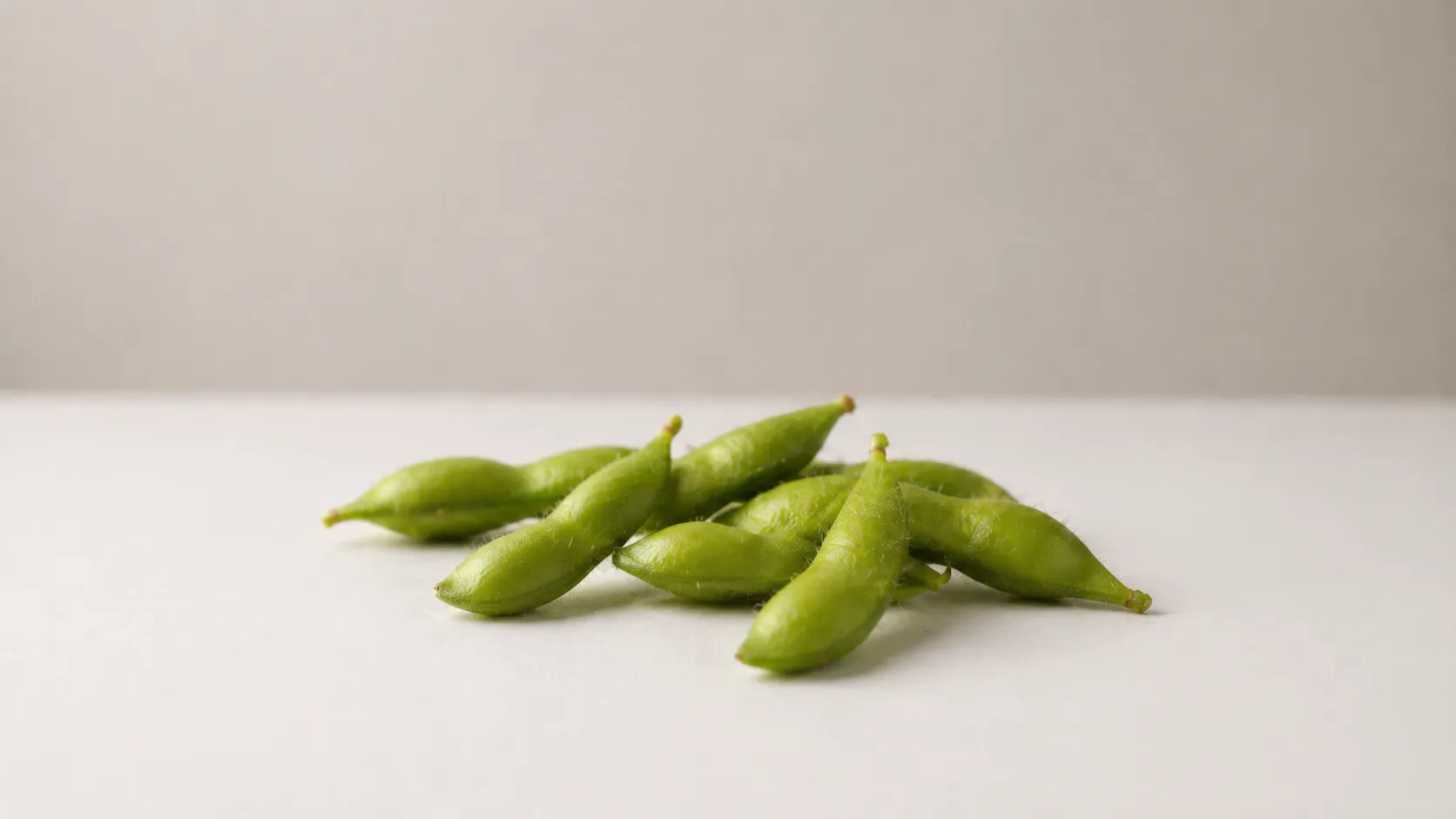
Edamame are a moderate choking risk - small, firm, and round, the shape the CDC warns can lodge in a baby's airway. Never serve the pod.
Cook the beans soft and smash them flat so they're no longer round. Save whole beans until baby chews well and doesn't stuff their mouth, usually around 12 months. See how to serve for age-by-age prep.
Allergens
Soy is one of the nine most common food allergens, and edamame are young soybeans. There's no reason to delay it - offer it around 6 months, then keep it in your baby's diet regularly.
Offer edamame on its own the first time, earlier in the day and when you can watch baby for about two hours afterward. Start with a small taste, around a quarter teaspoon, watch for a reaction, and build up gradually if all's well.
If baby refuses
The mild, grassy flavor puts some babies off at first. Blend the soft beans into a dip with olive oil and lemon, or stir mashed edamame through a familiar mash, rice, or pasta. Keep offering it now and then - it often takes many tries before a new food sticks.
How to serve
6+ months old
Smooth mash or smashed paste
A soft scoopable mash, spoon-fed or pre-loaded
Cook the edamame until very soft, then pop the beans from the pods and mash or blend them into a smooth paste. Offer from a pre-loaded spoon, or mix into a soft vegetable mash. Slipping off the thin skins gives a smoother result.
How to cook
Steam or boil edamame for 5 to 8 minutes until very soft, then pop the beans from the pods and discard the pods. Mash or blend the beans, adding a little cooking water, breast milk, or formula to loosen.
9+ months old
Smashed or flattened soft beans
Flattened beans, no longer round
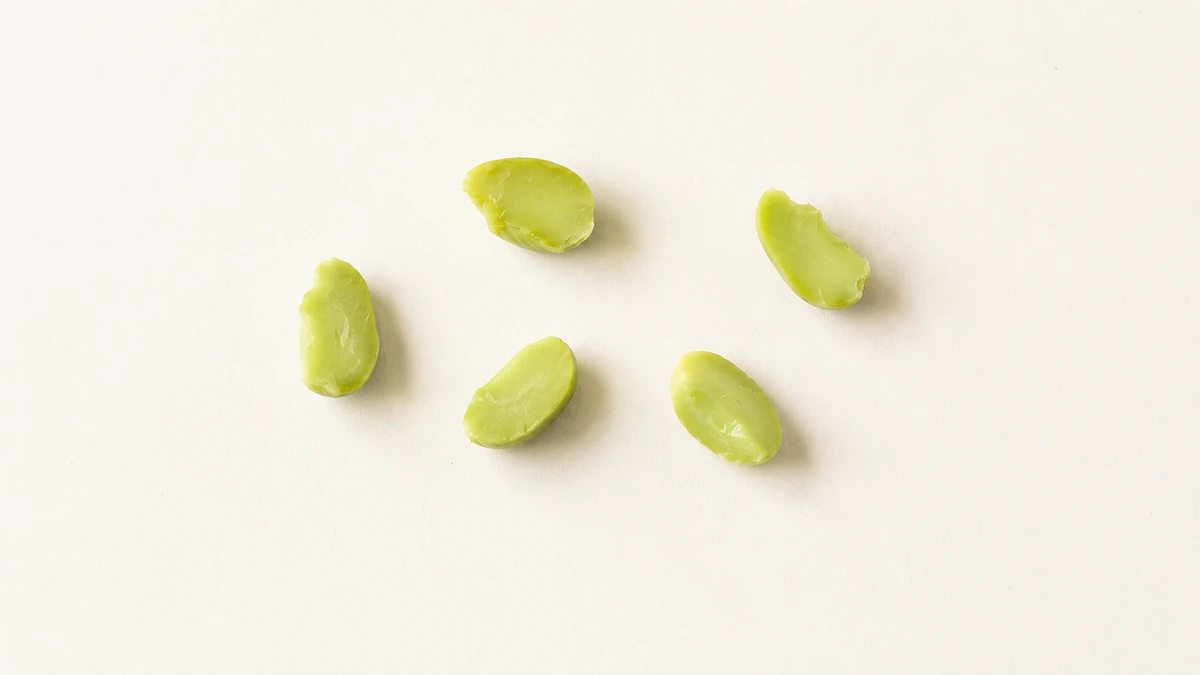
As baby starts picking things up with finger and thumb, pop the cooked beans from their pods and smash or flatten each one so it's no longer round - good practice for small pieces. Skinned, flattened beans are easier to manage than whole ones. Keep offering mashed edamame too, and avoid whole shelled beans at this stage.
How to cook
Steam or boil until very soft, then shell and flatten each bean with a fork or your thumb, slipping off the skins if they bother baby. Serve to pick up, or stir the flattened beans through soft mashes and mild one-pot dishes.
18+ months old
Whole soft beans, or flattened
Whole shelled beans one at a time, or flattened
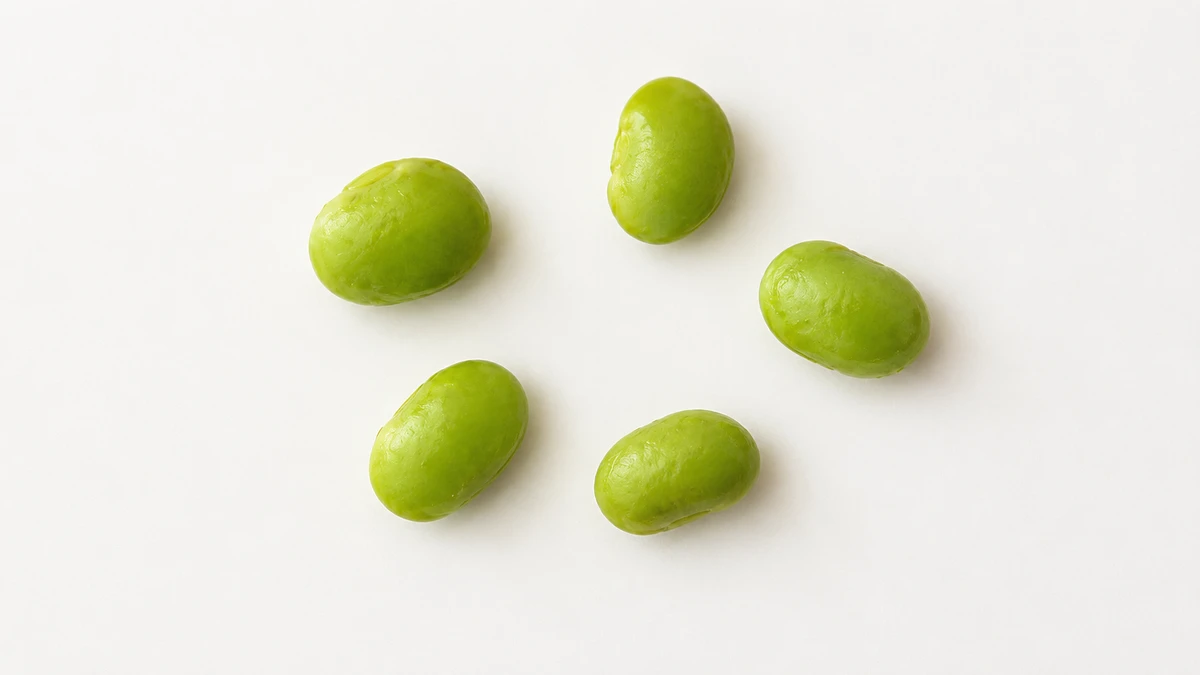
Whole soft shelled beans can be offered once your toddler chews confidently and doesn't stuff their mouth, since round, firm foods stay a choking risk for young children. For younger toddlers, keep squashing the beans a little and offer them one at a time. Always serve them shelled, never in the pod.
How to cook
Steam or boil until soft, then shell. Serve flattened, or once chewing is well established, as whole soft beans one at a time. Stir through rice, pasta, or mild family dishes, keeping any sauces low in salt.
Tips
- Buy frozen, shelled, and skip two jobs. Edamame is sold frozen both in-pod and pre-shelled - the shelled bags save you popping every bean, and frozen is picked and blanched at peak, so it's as good as fresh. Boil or steam from frozen in a few minutes.
- The pod is the thing to watch. Whole edamame in the pod is how it's served in restaurants, so it's easy to hand one over out of habit - but the pod is fibrous, a choking risk, and not for babies. Always pop the beans out and bin the pods, even when older siblings are eating them straight from the shell.
- A quick mash beats peeling each skin. The thin skins can be fiddly - instead of slipping them off one by one, mash or pulse the cooked beans and the skins largely break down into the puree, no peeling needed.