 HeySolids
Choking risk
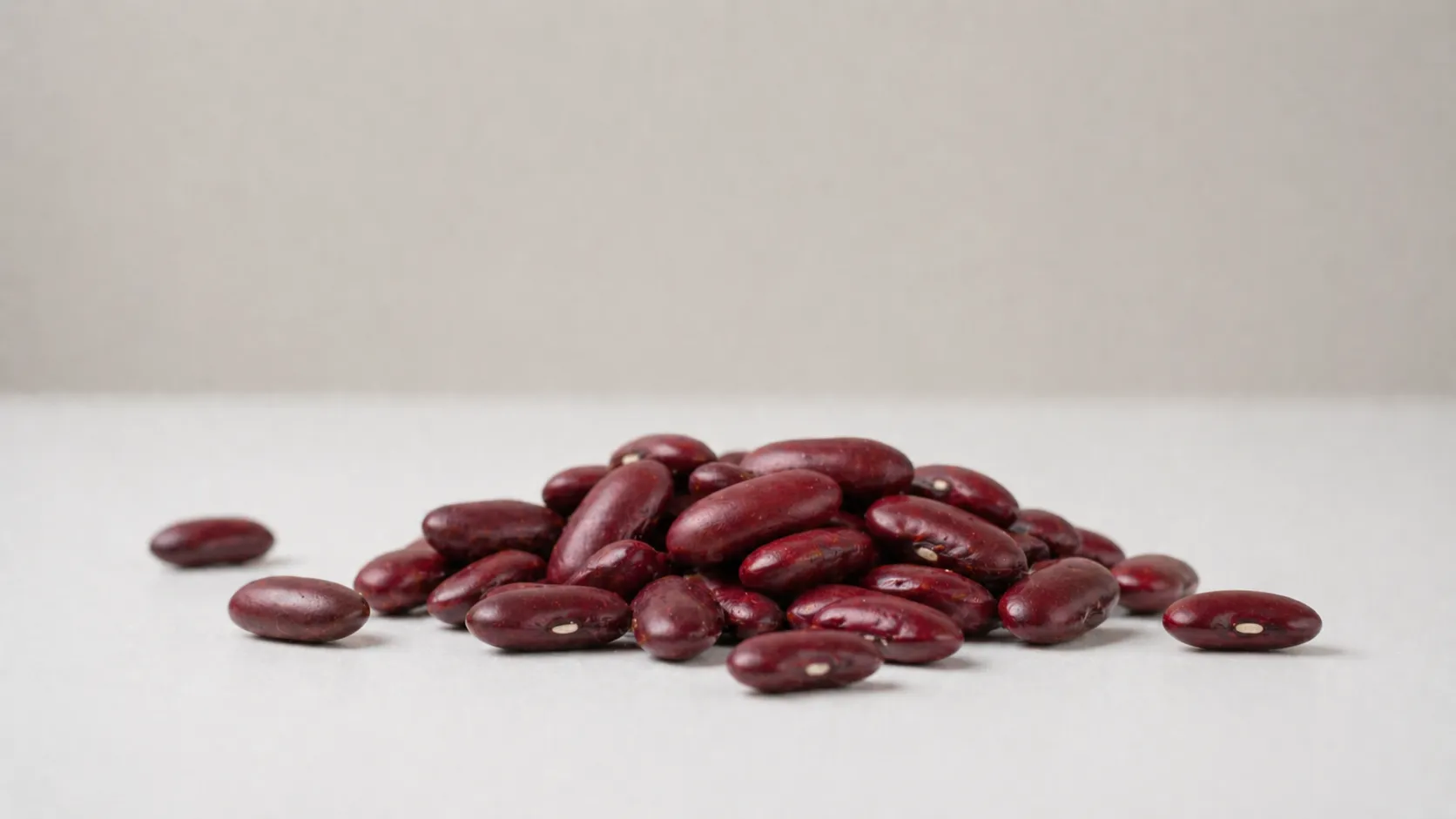
Kidney beans are a moderate choking risk - whole beans are small, firm, and round, exactly the size and firmness that's difficult for a baby to manage.
Cook them until very soft, then smash each bean flat so it's no longer round.
Kidney beans also must be fully boiled, never just warmed - see Food safety. See how to serve for age-by-age prep.
Allergens
Kidney beans are not a common food allergen, so a true allergy to them is rare.[2]
Start with a small amount and watch for a reaction.
If baby refuses
Kidney beans are mild and earthy, and most babies come round to them. If it's a no at first, blend them into a smooth dip, or stir smashed beans through something familiar - a purée they already like, rice, or a mild tomato sauce. New foods often take a good few goes before they land.
Food safety
Raw and undercooked kidney beans are toxic - even a few can make anyone ill, so dried beans have to be boiled properly.
Soak them for at least 5 hours, drain and discard the soaking water, then boil hard in fresh water for 30 minutes before simmering until soft. Don't cook dried kidney beans in a slow cooker: it doesn't get hot enough to make them safe, so boil them first if you want to slow-cook them afterwards.
Canned kidney beans are already fully cooked and safe - just drain and rinse, and choose no-salt-added where you can.[4]
How to serve
6+ months old
Smooth mash or smashed paste
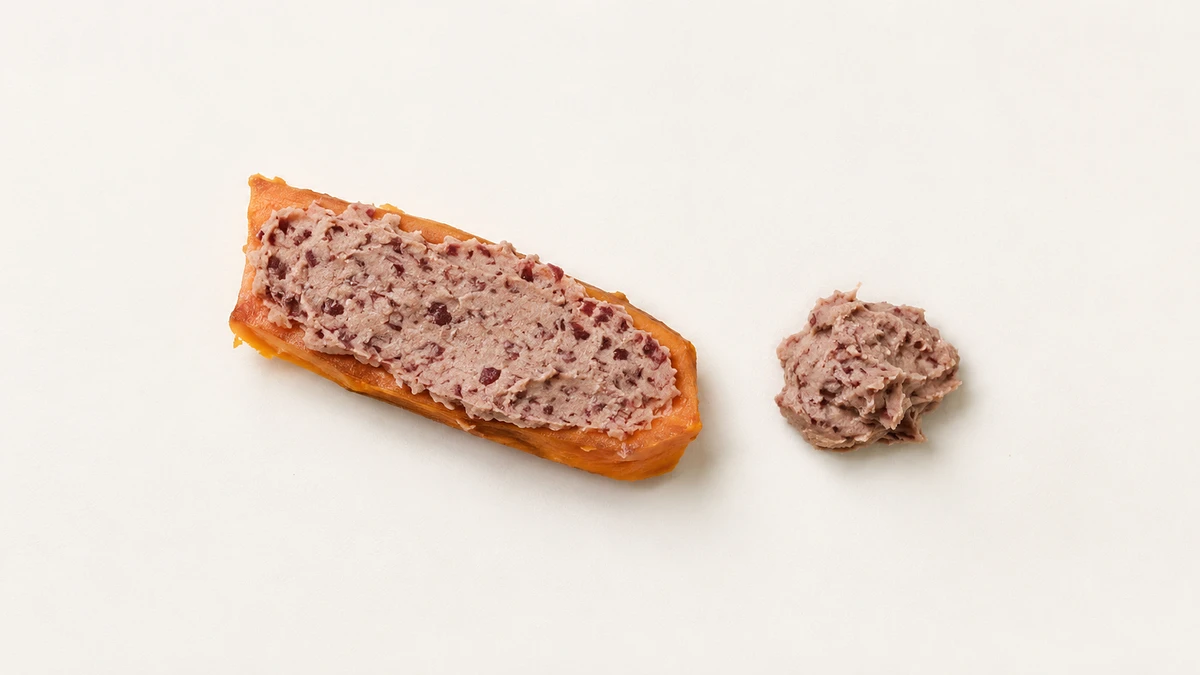
Cook kidney beans until very soft, then mash or blend them into a smooth paste and offer from a pre-loaded spoon, or spread it thinly on a soft cooked vegetable strip baby can hold. Mashed beans also stir easily into other soft foods like mashed vegetables or rice. Pairing them with a vitamin C food such as tomato or pepper helps baby absorb more of their iron.
How to cook
Canned beans are easiest: choose no-salt-added, drain, rinse, and simmer about 10 minutes to soften further. Dried beans are toxic raw - soak for at least 5 hours, drain, boil hard in fresh water for 30 minutes, then simmer 60 to 90 minutes until very soft. Mash or smash well before serving.
9+ months old
Smashed soft beans
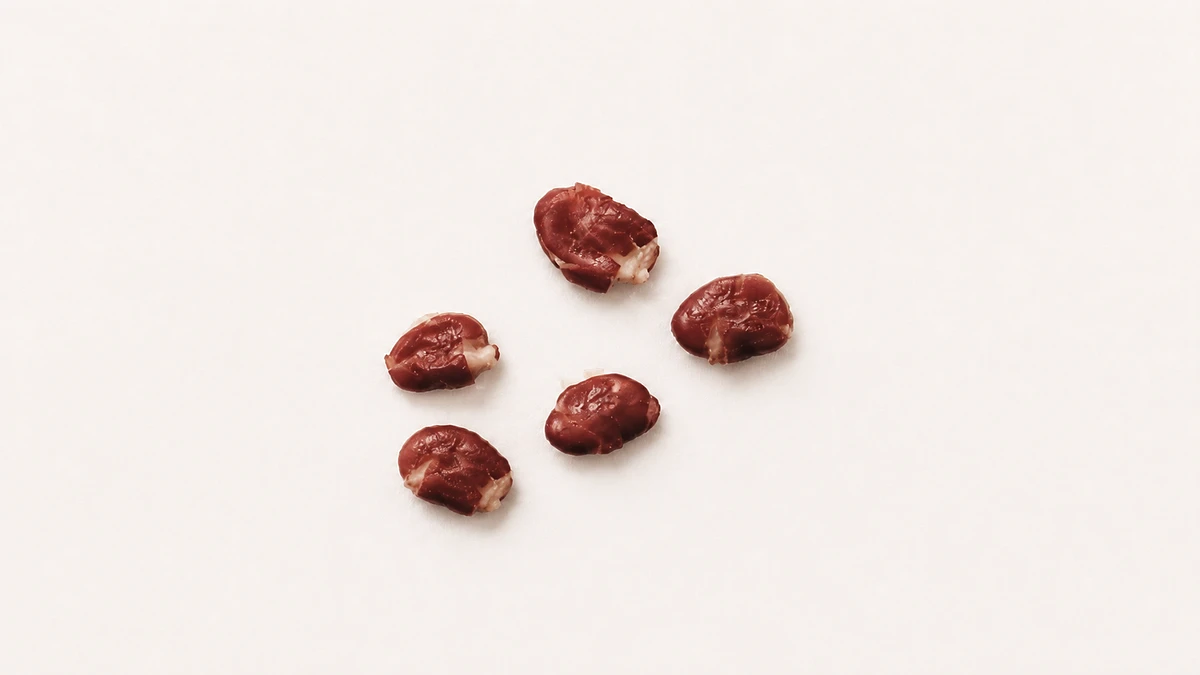
Flattened beans, no longer round
As baby's pincer grasp develops, offer fully cooked beans smashed flat with a fork or your thumb so they're no longer round - good picking-up practice. Keep mashed beans on the menu too, for scooping.
How to cook
Use no-salt-added canned beans, or cook dried beans by soaking for at least 5 hours, boiling hard in fresh water for 30 minutes, then simmering until very soft - a bean should squash easily between your fingers. Smash the beans flat, then serve them to pick up or stirred through soft mashes and mild stews.
12+ months old
Soft whole beans in family dishes
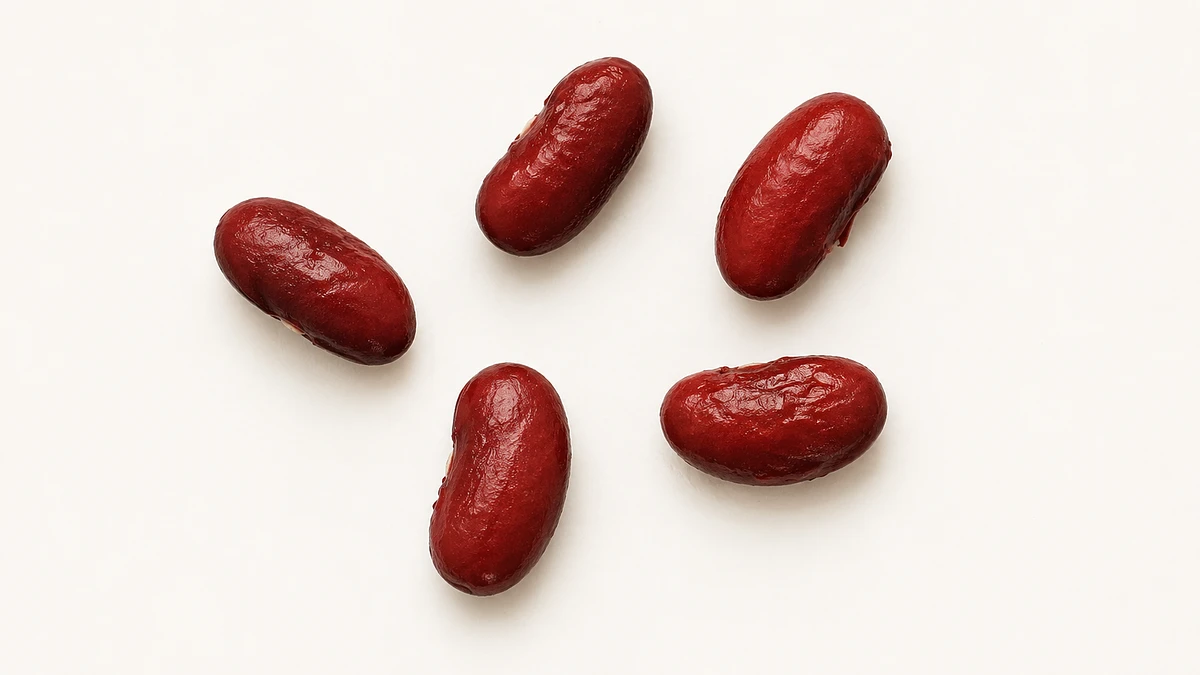
Soft whole kidney beans can be offered once your toddler chews well and doesn't stuff their mouth. They fold easily into family dishes like chili, soups, and rice bowls. Smashing a few is still fine.
How to cook
Use no-salt-added canned beans, or cook dried beans by soaking for at least 5 hours, boiling hard in fresh water for 30 minutes, then simmering until fully tender. Serve whole, smashed, or stirred through the dish. Keep added salt low when cooking for the family so the dish suits baby too.
Tips
Cook a big batch and freeze them flat. Beans take an age to cook from dried, so it's worth doing a lot at once - spread them in a thin layer in a freezer bag and you can snap off a handful whenever you need it, no defrosting a solid block. They thaw in minutes stirred into a warm dish. With kidney beans in particular this saves you repeating the soak-and-hard-boil every time.
Sources
- Choking Hazards (Infant & Toddler Nutrition) - CDC
- Food Allergies (the 9 major US allergens) - FDA
- Legume Allergens Pea, Chickpea, Lentil, Lupine and Beyond - Curr Allergy Asthma Rep 2024 (PMC11364600)
- Bad Bug Book, 2nd Edition - Phytohaemagglutinin (kidney bean lectin) - FDA
- When, What, and How to Introduce Solid Foods - CDC
- Beans, kidney, red, mature seeds, cooked, boiled, without salt (FDC 173740) - USDA FoodData Central