 HeySolids
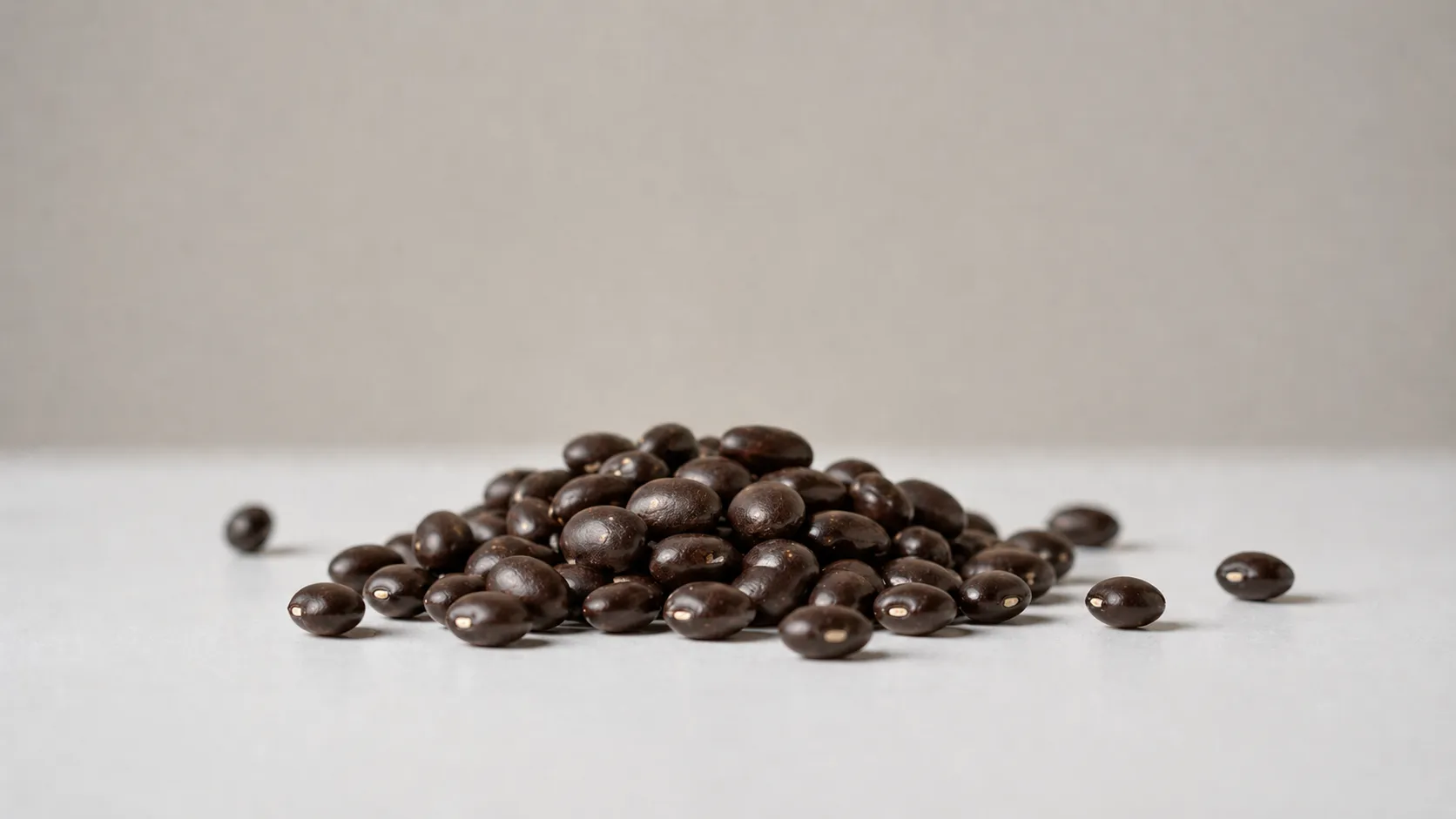
Choking risk
Cooked black beans are a moderate choking risk - whole beans are small and round, the shape the CDC warns about, even when soft.
Cook beans until very soft, then mash or smash them flat so they are no longer round, and save whole soft beans until baby chews well. See how to serve for age-by-age prep.
Allergens
Black beans are not a common food allergen, so a true allergy to them is rare.[2]
Start with a small amount and watch for a reaction.
If baby refuses
Black beans have a mild, earthy flavor. If baby is unsure, blend them into a smooth dip, or stir smashed beans through a familiar puree, rice, or pasta. A squeeze of lemon or a mild spice can help - and it often takes many tries before a new food sticks.
How to serve
6+ months old
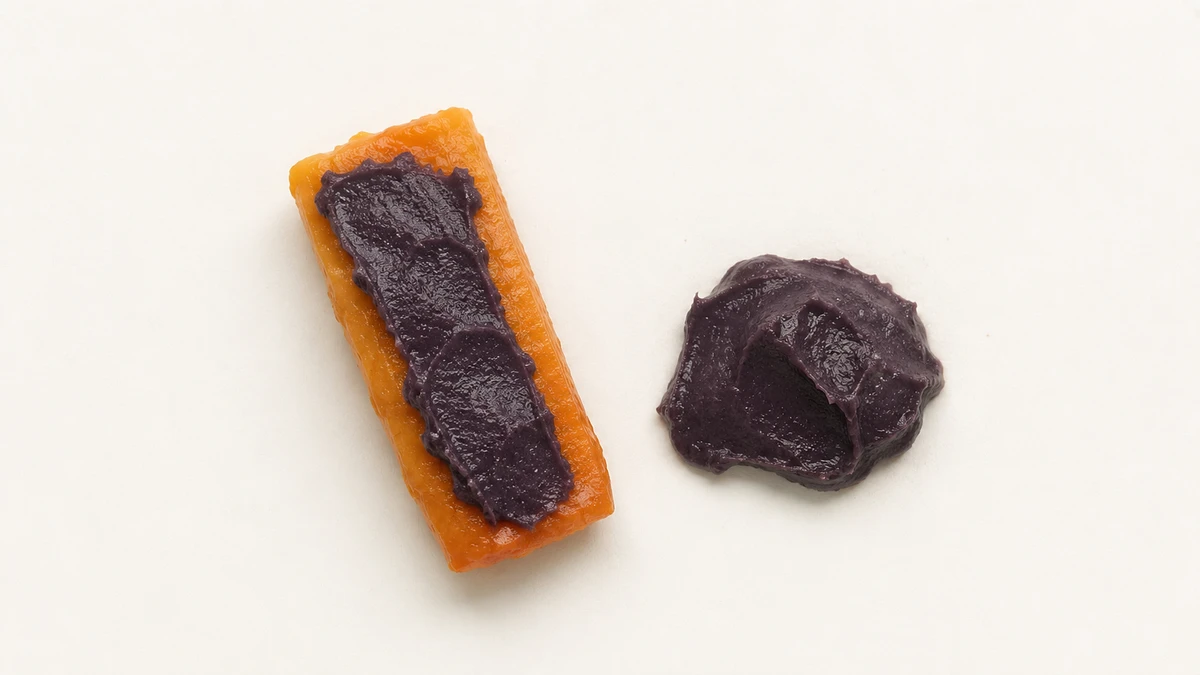
Smooth mash or smashed paste
A few spoonfuls of soft mash
Cook black beans until very soft, then mash or blend them into a smooth paste and offer from a pre-loaded spoon, or thinly spread on a soft cooked vegetable strip baby can hold. Mashed beans also stir easily into other soft foods like mashed vegetables. Pairing them with a vitamin C food such as tomato or pepper helps baby absorb more of their iron.[4]
How to cook
Dried beans: soak overnight, drain and discard the soak water, cover with fresh water, then boil hard for 10 minutes before simmering for 60 to 90 minutes until very soft.
Canned: choose no-salt-added, then drain, rinse, and simmer about 10 minutes to soften further. Mash or smash well before serving.
9+ months old
Smashed soft beans
Flattened beans, no longer round
As baby's pincer grasp develops, offer fully cooked beans smashed flat with a fork or your thumb so they are no longer round - great picking-up practice. Keep mashed beans on the menu too, for scooping.
How to cook
Cook or heat until very soft, so a bean squashes easily between your fingers. Smash the beans flat, then serve them to pick up or stirred through soft mashes and mild stews.
12+ months old
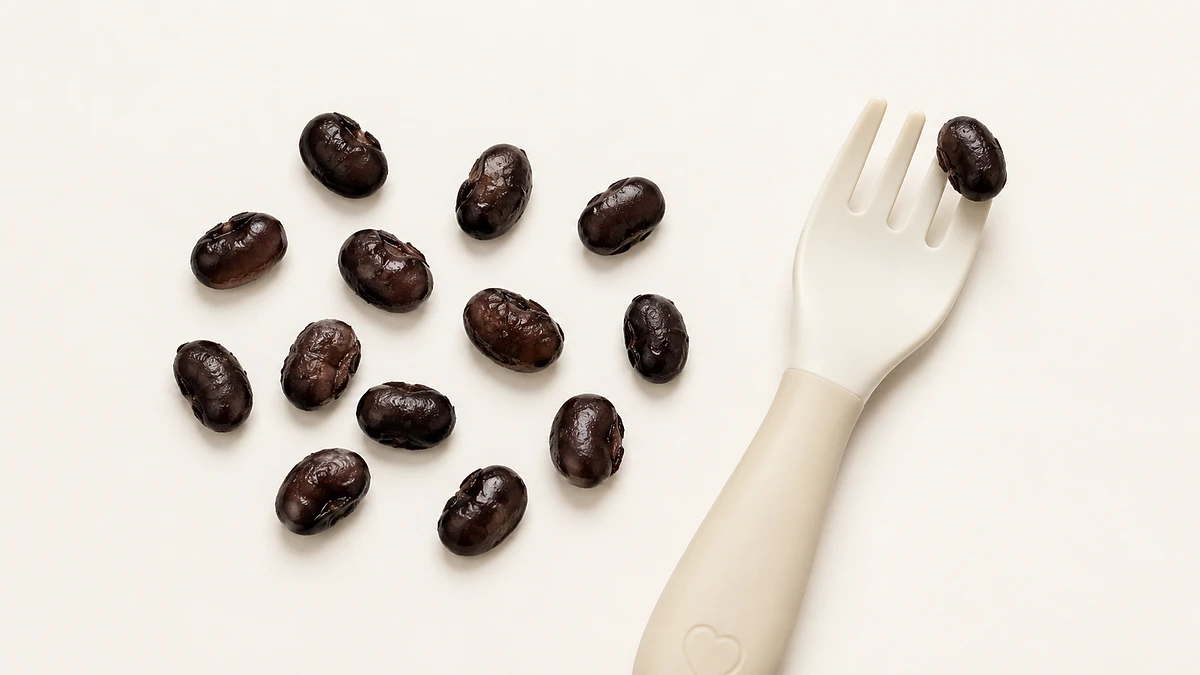
Soft whole beans in family dishes
Soft whole black beans can be offered once your toddler chews well and does not stuff their mouth. They fold easily into family dishes like burrito fillings, soups, and rice bowls. Smashing a few is still fine.
How to cook
Cook until fully tender. Serve whole soft beans, smashed, or folded into mild stews, soups, and burrito fillings. Keep added salt low when cooking for the family so the dish suits baby too.
Tips
- Freeze them in flat bags. Cooked beans freeze brilliantly - spread them in a thin layer in a freezer bag so you can snap off a handful, and they thaw in minutes in a warm dish. One batch of dried beans becomes weeks of instant meals.
- Rinsing canned beans cuts the salt. Even no-salt-added is worth a rinse for the canning liquid - and if regular canned is all you have, draining and rinsing removes around 40% of the sodium, enough to make them workable in a pinch.
- The skins can come off. If baby struggles with bean skins - they can slip off and sit in the mouth - pinch beans out of their skins after cooking, or push the mash through a coarse sieve. A minute of work for a much smoother result.
Sources
- Choking Hazards (Infant & Toddler Nutrition) - CDC
- Food Allergies (the 9 major US allergens) - FDA
- Legume Allergens Pea, Chickpea, Lentil, Lupine and Beyond - Curr Allergy Asthma Rep 2024 (PMC11364600)
- When, What, and How to Introduce Solid Foods - CDC
- Beans, black, mature seeds, cooked, boiled, without salt (FDC 173735) - USDA FoodData Central