 HeySolids
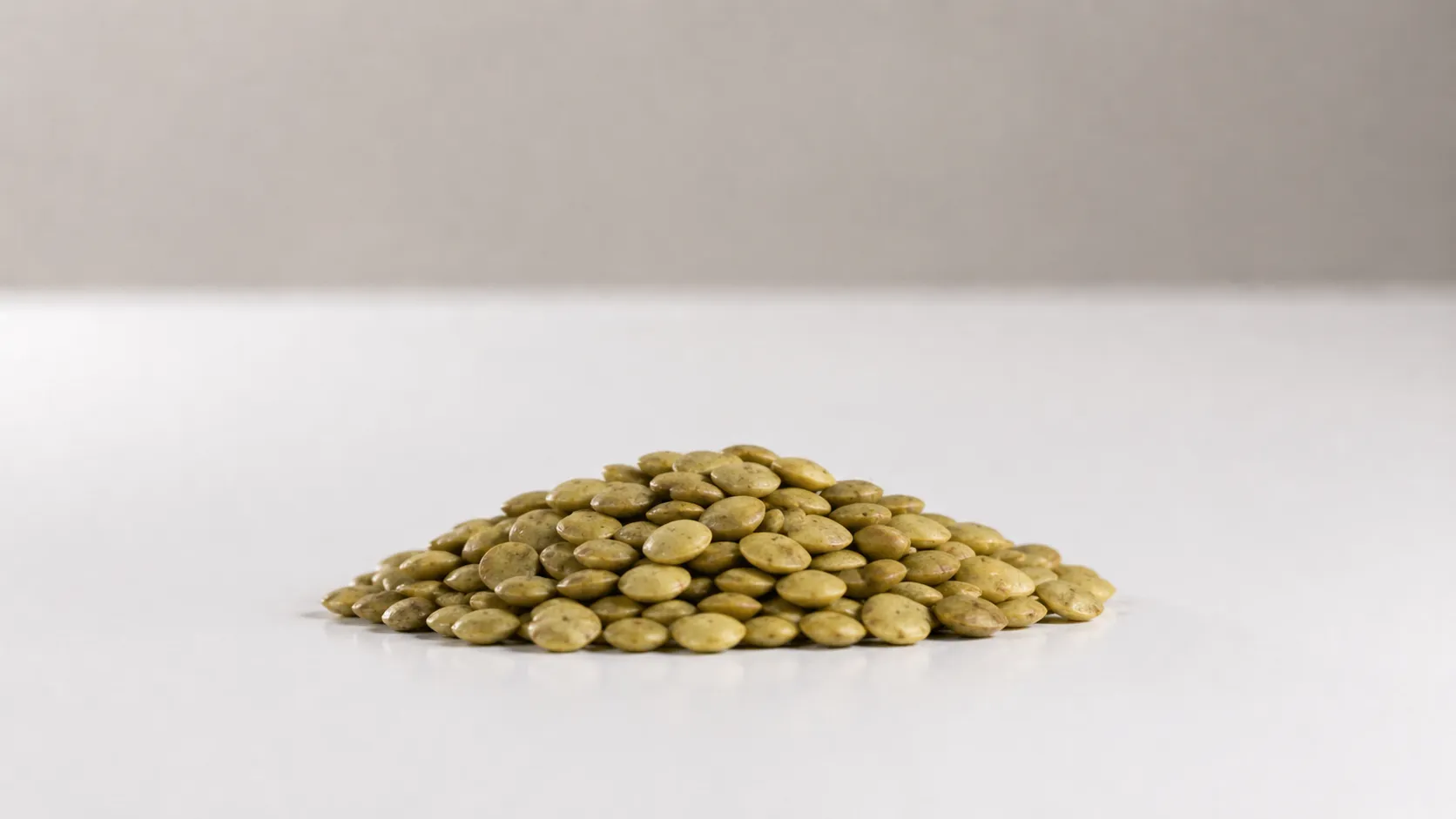
Choking risk
Cooked soft, lentils are a low choking risk - small and tender, they squash easily and are one of the gentler textures for new eaters.
Cook lentils until very soft, since undercooked or firm ones stay hard, and serve them as a mash or smooth dal for younger babies. See how to serve for age-by-age prep.
Allergens
Lentils are not a common food allergen, so a true food allergy to them is rare.[1]
Start with a small amount and watch for a reaction.
If baby refuses
Often it's the texture - lentils sit oddly between smooth and lumpy. Try going fully smooth: red lentils cooked soft and blended into a mild dal are usually the easiest starting point. Stirring them into a vegetable puree or soup baby already knows helps too, since the flavour is mild enough to hide. And as with any new food, refusing today doesn't mean much - keep offering without pressure.
How to serve
6+ months old
Thick scoopable mash or smooth dal
Cook red lentils down into a soft, smooth dal or puree and offer it from a pre-loaded spoon, or serve it as a thick mash baby can scoop by hand. Keep it thick rather than runny - it holds onto the spoon and makes self-feeding much easier. Mashed lentils also mix well into vegetable purees and grain porridges, and pairing them with a vitamin C food such as tomato or bell pepper helps baby absorb more of their iron.
How to cook
Rinse the lentils - red ones don't need soaking - then simmer in plenty of water for 15 to 20 minutes until completely soft and falling apart. Skip the salt in baby's portion, and mash or blend with a little of the cooking liquid until smooth and spoonable.
9+ months old
Soft whole lentils or patties
Soft cooked whole lentils are good pincer-grasp practice as baby learns to pick up small pieces - expect it to be fiddly and messy at first, which is the point. You can also bind cooked lentils into soft patties and offer them in bite-sized pieces.
12+ months old
Family dishes and soft whole lentils
Part of a normal family portion
Lentils can just join family meals now: dal, soups, and stews, stirred through pasta or rice, or shaped into patties. Hands are fine, and a spoon is good practice - though loose lentils are a slippery target, so thicker dishes like dal make spoon-feeding less frustrating.
How to cook
Cook until tender. Lentils take mild spices well - cumin, turmeric, coriander, a little garlic and ginger - so season the family pot with those and keep the added salt low. Skip hot spices like chilli, and check blends and pastes, which often contain salt. Then the same dish works for everyone.
Tips
- Batch cook and freeze. Dal freezes well in small portions - an ice cube tray gives you meal-sized blocks that thaw in a minute.
- Types behave differently. Red lentils collapse into smooth dal; brown and green hold their shape and suit older babies who can handle soft lumps; canned lentils work too - pick no-salt-added and rinse well.
- Lentils are a legume, so if peanut or soy allergies run in the family it's worth knowing they're related - though lentil allergy itself is uncommon.
- Expect some gas at first. Lentils are high in fibre and it takes small digestive systems a little while to adjust - normal, and it settles.