 HeySolids

Choking risk
Well-cooked egg is a low choking risk - soft and easy for babies to manage.
Keep egg soft and cut any firm pieces small - overcooked egg turns rubbery and harder to manage. See how to serve for age-by-age prep.
Allergens
Egg is a common food allergen, and egg allergy is among the most frequent in young children.[2]
Introducing well-cooked egg around 6 months, and keeping it in the diet once tolerated, lowers the risk of an egg allergy - no reason to delay.
Start with a tiny taste (about ¼ teaspoon) on a day you can watch baby, and watch for a reaction.
Always watch for hives, vomiting, or swelling, and call 911 for any trouble breathing.
Once egg is tolerated, keep it in the diet regularly - around a third of a well-cooked egg, a few times a week - to help maintain the protective effect.[1]
Egg allergy is common in little ones but usually doesn't stick around - about 70% of children outgrow it by age six, and many of the rest do later. [2]
If baby refuses
Egg is usually well accepted, but texture can put some babies off. If soft scrambled is refused, try a thin omelet strip, or stir beaten egg into pancakes or mashed potato. Keep it soft, never rubbery.
Food safety
Raw or runny egg can carry salmonella, so cook egg through for babies.[3]
Both the white and yolk should be fully set, and egg dishes cooked to 160°F. Skip raw and lightly cooked egg - homemade mayonnaise, raw batter, and soft-boiled or runny eggs - and use pasteurized eggs if a recipe needs raw egg.[4]
How to serve
6+ months old
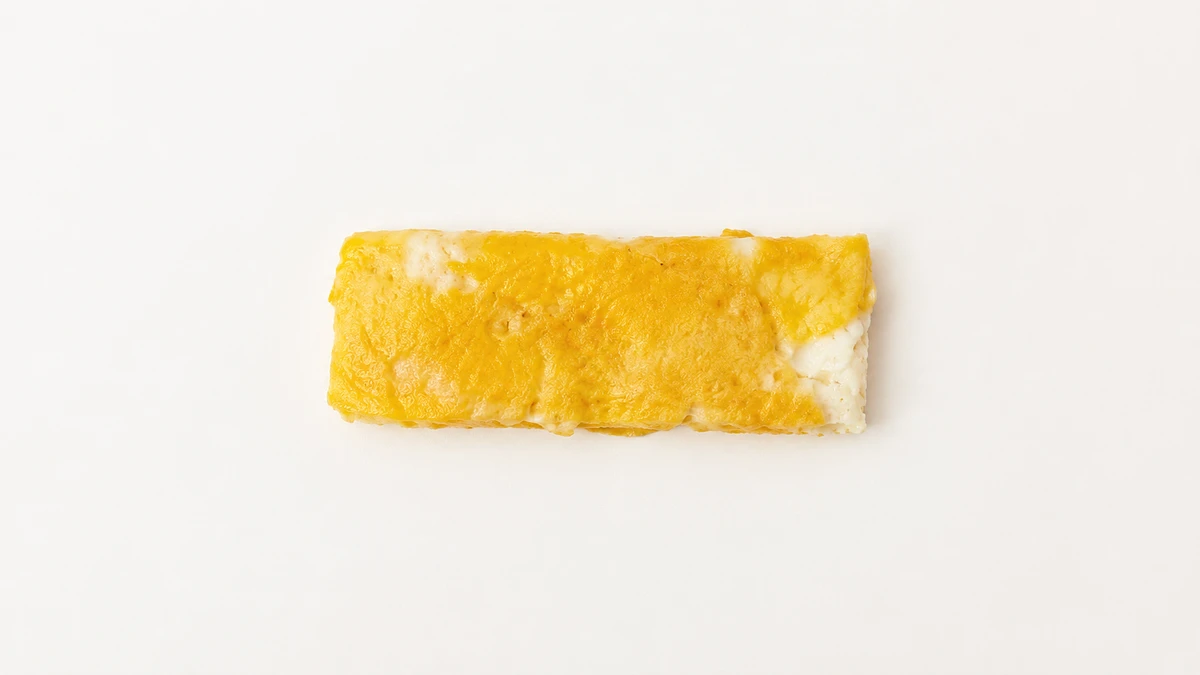
Omelet strip or soft scrambled egg
Finger-length strip, about 2 inches
Egg is a great first protein from around 6 months. Offer a finger-length strip of thin omelet to grip, soft scrambled egg to scoop or mash hard-boiled egg with a little breast milk, formula, or water. Introduce it on its own, and once tolerated keep offering it regularly so it stays in baby's diet.
How to cook
Scramble over low-medium heat, or hard-boil for 10-12 minutes - cooked fully through with no runny parts.
9+ months old
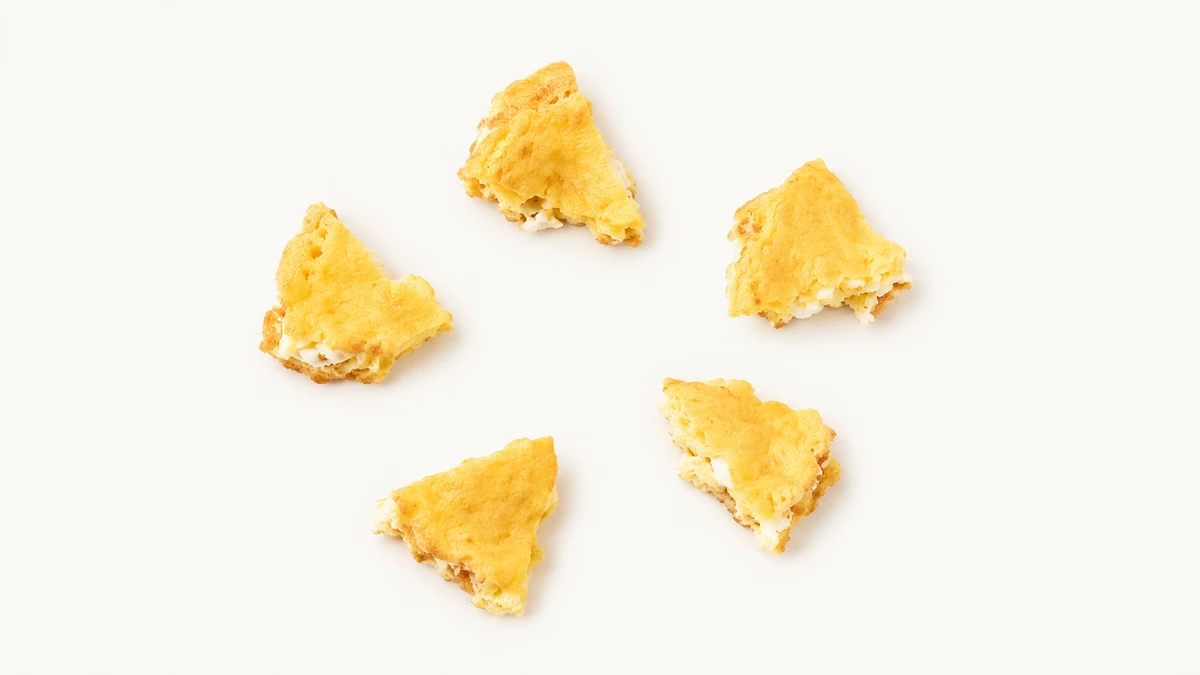
Small pieces, strips, or egg bakes
Bite-sized pieces, about 1/2 inch
Keep egg on the menu a couple of times a week. Offer well-cooked egg strips, soft scrambled egg, or small pieces of omelet and frittata. Beaten egg also bakes into soft pancakes and muffins.
How to cook
Scramble, hard-boil, or make a thin omelet, cooked fully through. A small frittata with soft-cooked vegetables adds variety at this stage.
12+ months old
Any style - scrambled, omelet, frittata, or boiled
Bite-sized pieces, or as served
Toddlers can have egg cooked any way - scrambled, omelet, frittata, hard-boiled, or baked into dishes. With dry hard-boiled egg, offer water in a cup to help wash it down. Keep egg a regular part of meals.
How to cook
Any preparation works. For babies and toddlers, keep cooking egg until firm.
Sources
- When to Introduce Egg, Peanut Butter & Other Common Food Allergens - AAP HealthyChildren
- Egg Allergy - FARE
- Salmonella and Eggs - FoodSafety.gov
- What You Need to Know About Egg Safety - FDA
- When, What, and How to Introduce Solid Foods - CDC
- Egg, whole, cooked, hard-boiled (FDC 173424) - USDA FoodData Central