 HeySolids
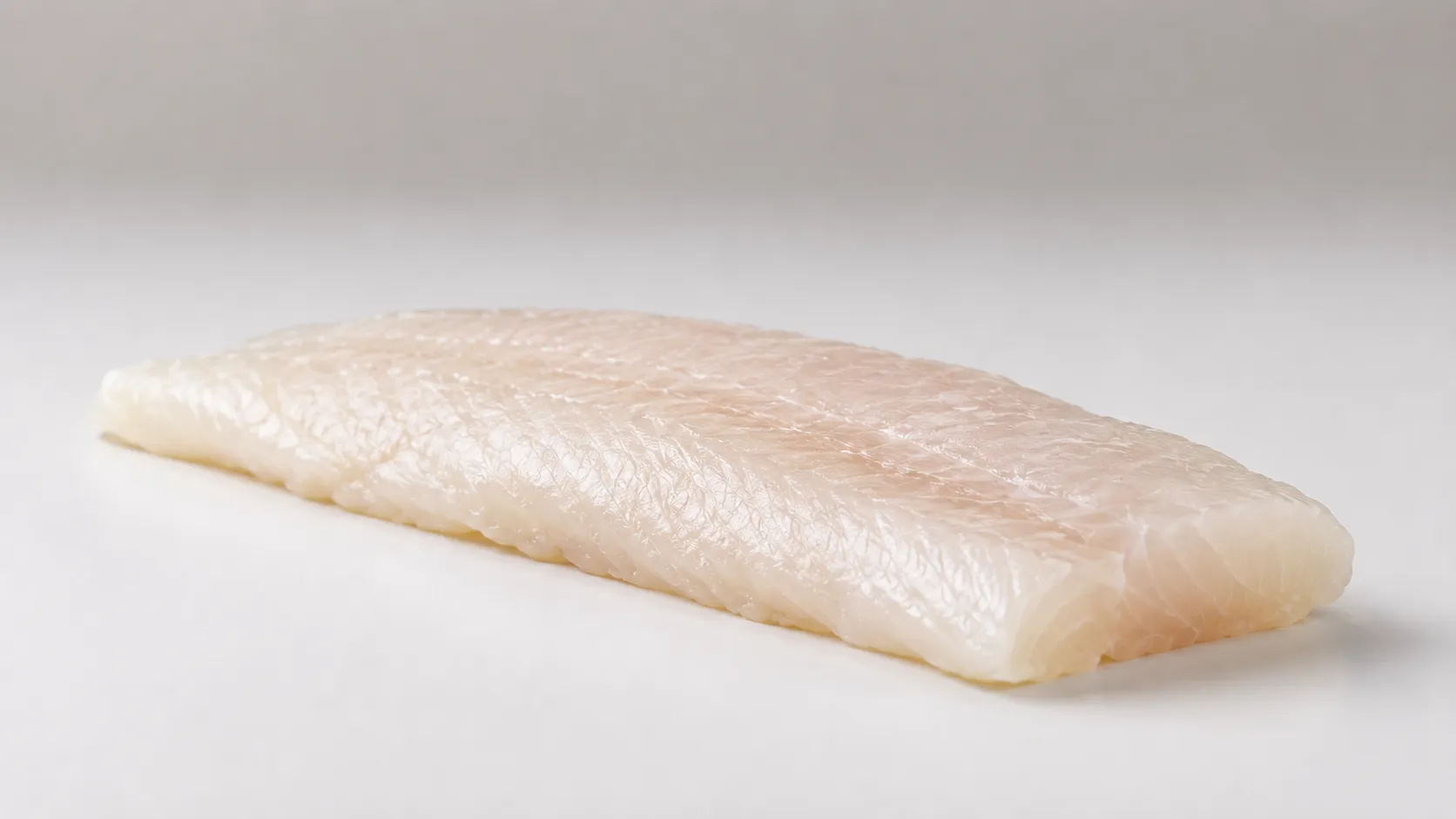
Choking risk
Pollock is a moderate choking risk - the hazards are bones, tough skin, and dry, overcooked pieces that are hard to swallow.
Flake it finely and check every flake for bones, peel off the skin, and keep it moist with a little sauce, oil, or yogurt. See how to serve for age-by-age prep.
Allergens
Pollock is a fish, and fish is a common food allergen. There's no reason to delay it, though - waiting doesn't prevent allergies, and allergens can start alongside other solids from around 6 months.[1]
Fish and shellfish are separate allergens, so doing fine with one doesn't tell you anything about the other.
If your baby has severe eczema or an existing food allergy, check with your pediatrician before starting allergens.
Start with about 1/4 teaspoon of well-cooked, finely flaked pollock mixed into a familiar food, earlier in the day, not near bedtime. Watch for a reaction over the next couple of hours. Build up gradually from there, and keep fish in the diet a few times a week.[2]
If baby refuses
Pollock is among the mildest fish and usually goes over well. If it's turned down, mix the flakes into mashed potato, a cheese sauce, or pasta, and use fresh or well-frozen fish so there's no fishy smell.
How to serve
6+ months old
A finger-length piece to hold, or flaked into soft food
A piece about the size of two adult fingers, or flaked
Offer a finger-length piece of cooked pollock for baby to hold, or flake the fish finely and stir it through mashed potato or soft vegetables.
A soft pollock fish cake works too - make it palm-sized, too big to fit in the mouth in one go. Use plain frozen or fresh fillets rather than breaded fish sticks, which carry a lot of salt in the coating.
Check every flake for bones and peel off the skin first.
How to cook
Bake, poach, or steam until opaque and flaking easily all the way through - 145°F - and never serve it raw or undercooked. Babies are more vulnerable to food poisoning than adults. Cool to lukewarm, then flake and check for bones.
9+ months old
Soft flakes, small pieces, or fish cakes
Bite-sized soft pieces, or a strip to hold
As baby's pincer grasp develops, offer small flakes or bite-sized soft pieces for picking-up practice, and keep a finger-length strip or soft fish cake on hand to hold - homemade, without added salt.
Homemade baked fish sticks work the same way: strips of plain pollock in a light breadcrumb coat, no salt added.
Stir flakes into mashed potato or a little olive oil to keep them moist. Check every flake for bones and peel off the skin first.
How to cook
Bake, poach, or steam until opaque and flaking easily all the way through - 145°F - and never serve it raw or undercooked. Babies are more vulnerable to food poisoning than adults. Cool to lukewarm, then flake and check for bones.
12+ months old
Small soft pieces, flakes, or fish cakes
Bite-sized soft pieces, or flaked into dishes
Offer small soft pieces or flakes of pollock on their own or mixed into family dishes, and let your toddler practice with a fork.
It works well in fish pie, homemade baked fish sticks, fish cakes, and pasta - season with lemon, herbs, or mild spices rather than salt. Keep it moist and skip dry, firm pieces.
Check every flake for bones and peel off the skin first.
How to cook
Bake, grill, pan-fry, or poach until opaque and flaking easily all the way through - 145°F - and never serve it raw or undercooked. Babies are more vulnerable to food poisoning than adults. Cool to lukewarm, then flake and check for bones.
Tips
- You've been eating pollock all along. It's the fish in fish sticks, fast-food fish sandwiches, and most imitation crab - mild, cheap, and everywhere. Plain frozen fillets are the same fish without the salty coating, usually at half the price of cod.
- Imitation crab is pollock, not crab. Worth knowing for allergen tracking: "krab" counts as a fish exposure, not a shellfish one - though some brands add real shellfish extract, so check the ingredients if shellfish hasn't been introduced yet. Either way it's a processed, salty product, so it's one for occasional family meals rather than baby's plate.
- Pull it early. Like all thin white fillets, pollock goes from done to dry in about a minute - take it off the heat the moment it turns opaque and flakes, and it finishes cooking in its own warmth.