 HeySolids
Choking risk
Branzino is a moderate choking risk for babies - the cooked flesh falls apart easily, but the pin bones and skin do not.
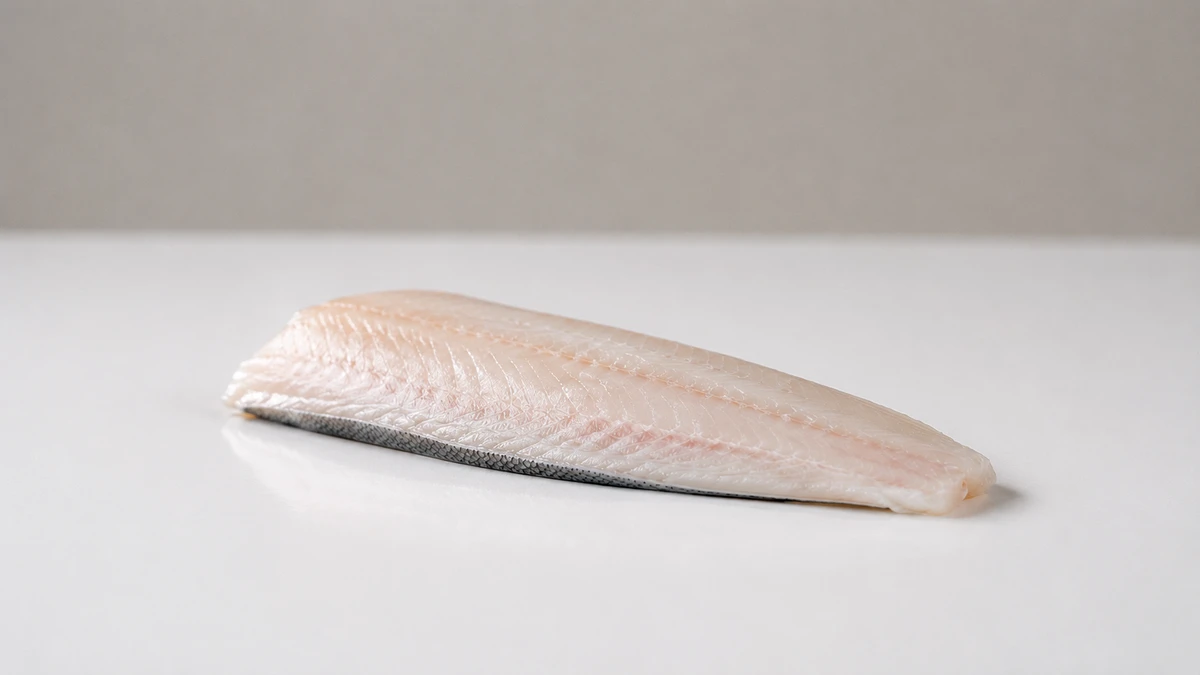
Lift the flesh off the frame, check every flake for bones, peel off the skin, and keep it moist. See how to serve for age-by-age prep.
Allergens
Branzino is a fish, and fish is a common food allergen. There's no reason to delay it, though - waiting doesn't prevent allergies, and allergens can start alongside other solids from around 6 months.[2]
Fish and shellfish are separate allergens, so doing fine with one doesn't tell you anything about the other - though fish do run together: a reaction to one fish usually means checking with your pediatrician before trying others.[3]
If your baby has severe eczema or an existing food allergy, check with your pediatrician before starting allergens. Start with about 1/4 teaspoon of well-cooked, finely flaked branzino mixed into a familiar food, earlier in the day, not near bedtime. Watch for a reaction over the next couple of hours. Build up gradually from there, and keep fish in the diet a few times a week.[4]
If baby refuses
Branzino is one of the sweeter, milder fish - far less fishy than mackerel or sardines - so if it comes back, the flavor is rarely the reason. Flake it through orzo or mashed potato with a little olive oil to keep it moist. Keep offering it - tastes change with repeat tries.
Food safety
Cook branzino until opaque and flaking easily all the way through - 145°F - and never serve it raw or undercooked. Babies are more vulnerable to food poisoning than adults. Skip salted, smoked, and cured versions.[6]
How to serve
6+ months old
Finger-sized piece, or flaked into soft food
A strip the width of two adult fingers, or flaked
Offer a finger-sized piece of cooked branzino, the width of two adult fingers, for baby to grip and gnaw, or flake it and stir it through a scoopable food like mashed potato or vegetables. A soft branzino fish cake, larger than baby's mouth, also works well.
Lift the flesh off the frame, check every flake for pin bones, and remove the skin first. Keep it moist, since overcooked branzino turns dry.
How to cook
Roast, bake, poach, or steam until the fish reaches 145°F and flakes easily, then cool, lift the flesh off the frame, and check carefully for bones.
9+ months old
Flakes, small soft pieces, or fish cakes
Bite-sized soft pieces, or a strip to hold
As baby's pincer grasp develops, offer small flakes or bite-sized soft pieces for picking-up practice, or keep a longer strip to hold. Soft homemade fish cakes, made without added salt, work well too. Stir flakes into mashed potato, yogurt, or a little olive oil to keep them moist.
Keep checking every flake for pin bones and remove the skin.
How to cook
Roast, bake, poach, or steam to 145°F until opaque and flaking, then cool and flake into pieces.
12+ months old
Small soft pieces, flakes, or fish cakes
Bite-sized soft pieces, or flaked into dishes
Offer small soft pieces or flakes on their own or mixed into family dishes, and let your toddler practice with a fork. Branzino now works well in orzo, couscous, traybakes, and fish cakes. Keep it moist and skip dry, firm pieces.
Still check every flake for pin bones, and keep to plain branzino rather than salted or smoked fish.
How to cook
Roast whole, bake, pan-fry, or poach as part of a family meal, cooked to 145°F until opaque and flaking, with all bones removed.
Tips
- Ask for it filleted. Branzino is usually sold whole, but most fish counters will scale, gut, and fillet it for you - just ask. You'll take home two clean fillets and skip the hardest part of the prep. The bones that remain are the pin bones, and the usual check catches those.
- The restaurant fish can be baby's too. Whole roasted branzino at a restaurant is genuinely shareable with a toddler - the flesh is mild and soft. Just do the checking yourself: take a portion to your own plate, flake it through for bones, and skip the crispy skin and any salt crust. A whole fish carries far more bones than a fillet, so this is the check-every-flake sentence working its hardest.
- Farmed is the normal buy, and that's fine. Nearly all branzino in US stores is farmed Mediterranean sea bass - consistent, mild, and low in mercury. There's no wild version worth hunting for a baby's purposes; the fish at the counter is the fish.
Sources
- Choking Hazards (Infant & Toddler Nutrition) - CDC
- Fish - FARE
- Fish and shellfish allergy in children: review of a persistent food allergy - Pediatr Allergy Immunol 2012;23(7):608-15 (PubMed 22554093)
- When to Introduce Egg, Peanut Butter & Other Common Food Allergens - AAP HealthyChildren
- When, What, and How to Introduce Solid Foods - CDC
- Advice About Eating Fish - FDA
- Mercury Levels in Commercial Fish and Shellfish (1990-2012) - FDA
- Fish, sea bass, mixed species, cooked, dry heat (FDC 173694) - USDA FoodData Central