 HeySolids
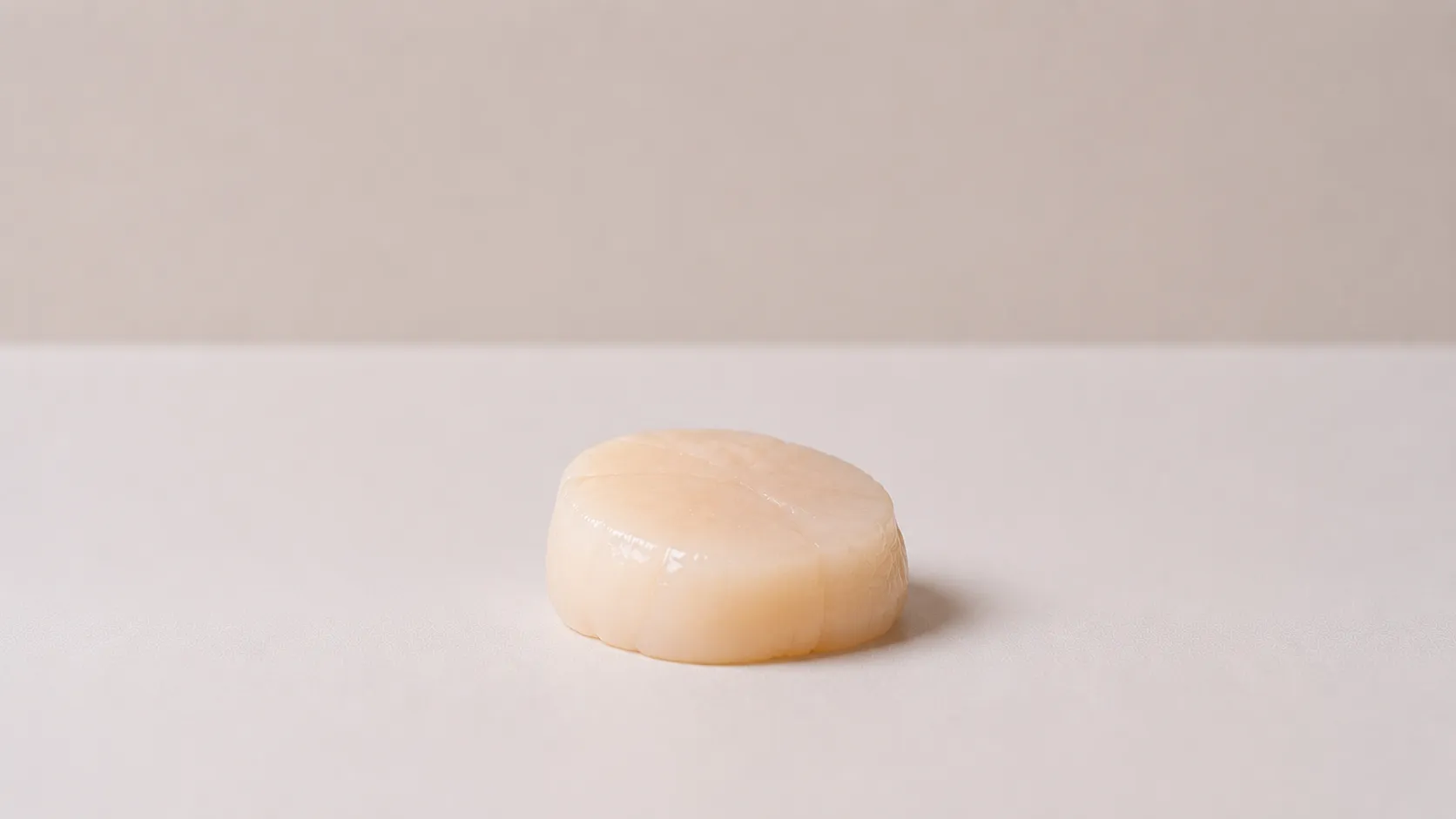
Choking risk
Scallop is a moderate choking risk. It is firm and springy, and stays safe only when it is cut down.
Pull off the tough side muscle, cook until the flesh turns opaque all the way through, then chop or mince it finely. See how to serve for age-by-age prep.
Allergens
Scallop is a common food allergen. Shellfish allergy is often lifelong, so it is worth introducing carefully and keeping track of how it goes.[1]
There is no reason to delay scallop. Waiting does not lower the chance of an allergy, and holding common allergens back means fewer chances to spot a reaction while you are watching closely.[2]
Start with about 1/4 teaspoon of well-cooked, finely chopped scallop mixed into a familiar food, earlier in the day, not near bedtime. Wait 10 minutes, and if all looks well, carry on with the meal. Watch for a reaction over the next couple of hours. Build up gradually from there, and keep scallops - or another mollusk, like mussels or clams - in the diet a few times a week.
If baby refuses
The springy texture is the usual sticking point. Mince it finely and stir it into mashed potato, pasta, or a mild risotto, where the texture disappears into something softer. Keep offering it now and then - tastes change with repeat tries.
Food safety
Cook scallop to 145°F, until it is opaque all the way through, and never serve it raw. Raw shellfish can carry Vibrio bacteria that make babies very ill.[3]
How to serve
6+ months old
Finely minced into a soft food
Stirred through a soft food
Remove the tough side muscle, then finely chop or mince well-cooked scallop and stir it through mashed potato, pasta, or risotto. Keep the portion small and make sure no firm pieces remain.
How to cook
Pan-fry, steam, or poach to 145°F, just until opaque, so it does not turn rubbery. Cool, then chop or mince before serving.
9+ months old
Finely chopped soft pieces
Small pieces for the pincer grasp
As the pincer grasp develops, offer finely chopped soft pieces of well-cooked scallop for picking-up practice, on their own or stirred into pasta or risotto. Keep removing the tough side muscle and cook just until opaque so it stays soft.
How to cook
Pan-fry, steam, or poach to 145°F, just until opaque, so it does not turn rubbery. Cool, then chop finely before serving.
12+ months old
Small soft pieces in family meals
Bite-sized soft pieces, about 1/2 inch
Offer small, soft pieces of well-cooked scallop on their own or mixed into family meals like pasta, risotto, or a mild seafood rice, and let your toddler practice with a fork. Cook the dish without salt and season the grown-ups' bowls at the table. Keep removing the tough side muscle and cook just until opaque.
How to cook
Pan-fry, steam, poach, or grill to 145°F, just until opaque, with the tough side muscle removed.
Tips
The tough side muscle is the small rectangular tab on the side. It peels off with your fingers and stays chewy no matter how long you cook it, so it comes off every time.