 HeySolids
Choking risk
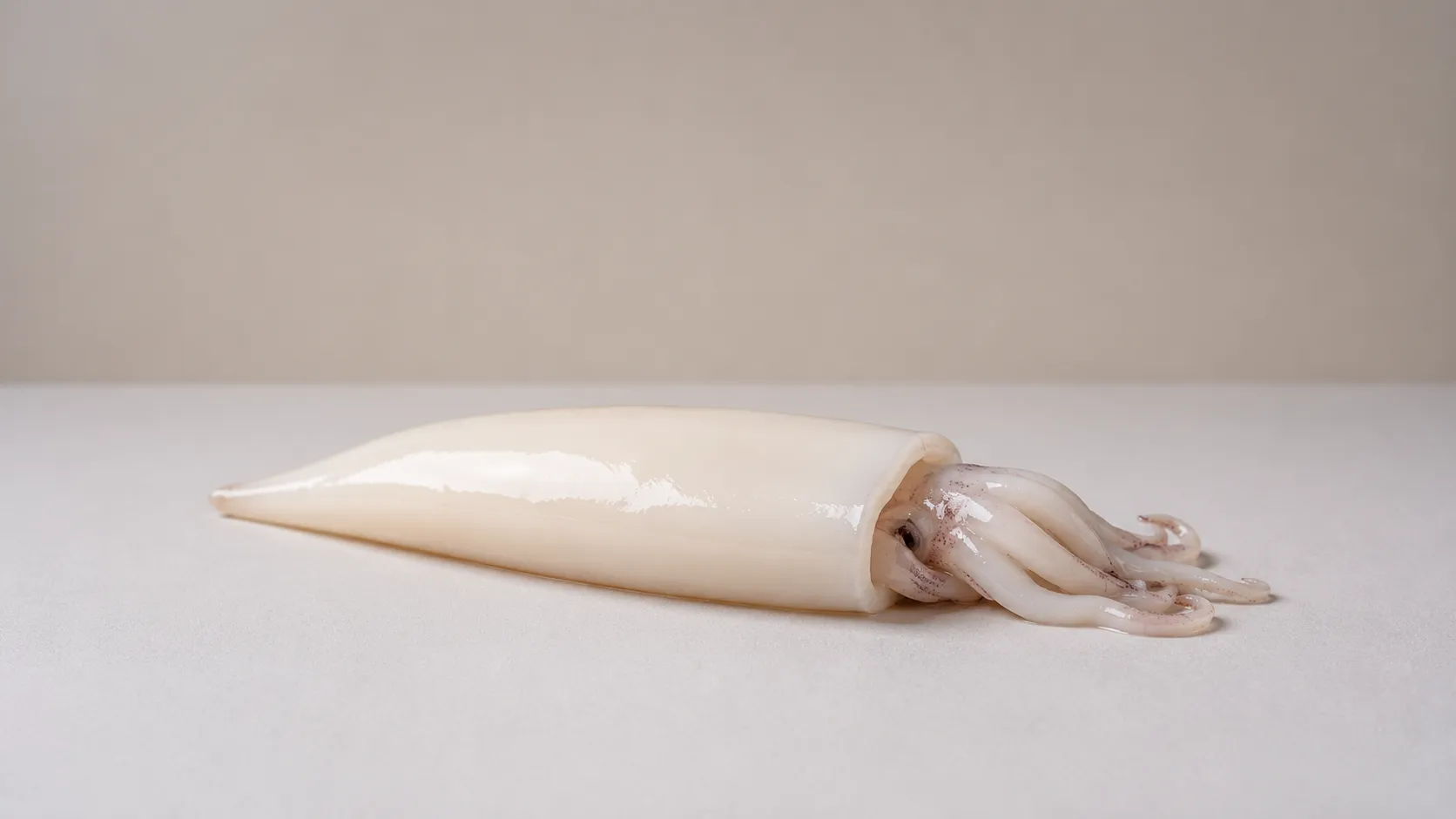
Squid is a moderate choking risk. It is firm and springy, and it stays safe only when it is cooked tender and cut down. Squid rings are a particular problem, since a ring can seal an airway.
Cook squid until it is properly tender, then chop or mince it finely so no rings or firm pieces are left. See how to serve for age-by-age prep.
Allergens
Squid is shellfish - the mollusk side of the family, a separate group from shrimp and crab - and shellfish is a common food allergen. There's no reason to delay it, though: waiting doesn't prevent allergies, and allergens can start alongside other solids from around 6 months.[1]
The family lines matter here: fish and shellfish are separate allergens, and within shellfish, mollusks and crustaceans are separate groups too - so doing fine with salmon or even with shrimp doesn't tell you anything about squid.
If your baby has severe eczema or an existing food allergy, check with your pediatrician before starting allergens.
Start with about 1/4 teaspoon of well-cooked, finely chopped squid mixed into a familiar food, earlier in the day, not near bedtime. Wait 10 minutes, and if all looks well, carry on with the meal. Watch for a reaction over the next couple of hours. Build up gradually from there, and keep squid - or another mollusk, like mussels or clams - in the diet a few times a week.[2]
If baby refuses
Chewy texture is the usual sticking point. Slow-cook it until soft, mince it finely, and stir it into rice, pasta, or a mild tomato sauce where it blends in. Keep offering it now and then - tastes change with repeat tries.
Food safety
Cook squid through and never serve it raw or undercooked. Raw shellfish can carry Vibrio bacteria that make babies very ill.[4]
Squid needs either a minute or two over high heat, or 30 to 45 minutes of gentle simmering. Anything in between leaves it rubbery, and for babies the slow method is the safer choice.
How to serve
6+ months old
Finely minced into a soft food
Stirred through a scoopable food like rice
Cook squid until genuinely tender, then finely chop or mince it and stir it through a soft, scoopable food like rice, pasta, or a mild tomato sauce. Keep the portion small and leave no firm, chewy pieces or rings.
How to cook
Braise or simmer squid gently in a sauce for 30 to 45 minutes, until it is soft and opaque all the way through. Slow cooking is what makes it fine enough to chop small. Cool to lukewarm before serving.
9+ months old
Finely chopped soft pieces
Small tender pieces, about 1/2 inch
As baby's pincer grasp develops, offer small, finely chopped pieces of tender, fully cooked squid for picking-up practice, on their own or mixed into rice or pasta. Keep the pieces small and soft, and skip rubbery rings.
How to cook
Braise squid gently in a tomato or herb sauce until very tender, then cool and chop finely. Slow cooking keeps the texture soft and easy to manage. Do not serve fried or battered calamari.
12+ months old
Small soft pieces in family meals
Bite-sized tender pieces, about 1/2 inch
Offer small, soft, tender pieces of well-cooked squid on their own or mixed into low-salt family meals like a seafood rice or pasta, and let your toddler practice with a fork. Keep pieces small and still avoid chewy rings.
How to cook
Slow-braise squid as part of a family meal, or fold it into a paella or risotto, cooked gently until tender and opaque throughout. Skip battered and fried versions, and keep the dish low in salt.