 HeySolids
Choking risk
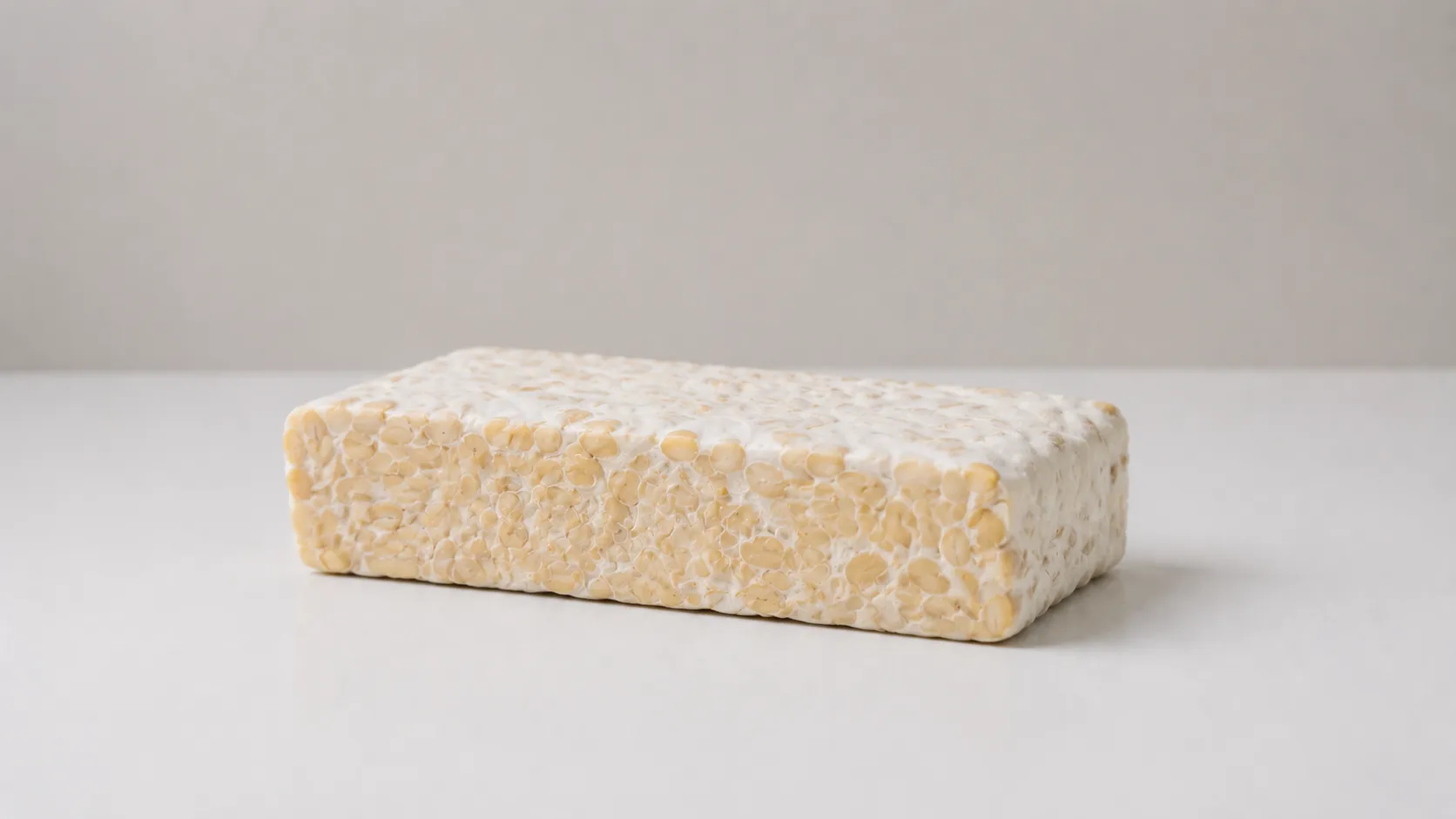
Tempeh is a moderate choking risk - it's firm and dense until cooked soft, and a dry chunk can be hard to chew down.
Simmer or steam it soft, then cut thin strips or crumble it rather than serving firm cubes. Tap See how to serve for age-by-age prep.
Allergens
Tempeh is made from soybeans, and soy is one of the nine major allergens - there's no reason to delay it.[1]
Offer it from around 6 months, once solids are going well. Start with about ¼ teaspoon of soft-cooked, mashed tempeh mixed into a familiar food, earlier in the day, not near bedtime. Wait 10 minutes, and if all looks well, carry on with the meal.
Watch for a reaction over the next couple of hours. Build up gradually from there, and keep soy in the diet a few times a week.[2]
If baby refuses
The bold, fermented flavor puts some babies off at first. Cooking it soft mellows the taste, and crumbling it into a familiar low-salt tomato sauce or mild curry often goes down better than plain strips. Keep offering it - repeated tastes build acceptance.
Food safety
Tempeh needs to be cooked before serving - steam or simmer it for at least 10 minutes, until soft and heated all the way through. Never serve it raw, even though it's fermented - babies are more vulnerable to food poisoning than adults.[3]
Buy it plain. Tempeh is often sold marinated or pre-seasoned, usually with soy sauce - and that's where the salt is. Look for plain tempeh with just soybeans and culture on the label, and season baby's portion with mild herbs instead.
How to serve
6+ months old
Thin soft strips or crumbled
Finger-length strips, about 2 to 3 inches
Steam or simmer tempeh until soft, then cut it into thin, finger-length strips baby can hold, or crumble it into a soft vegetable mash and offer it on a spoon. Keep strips thin, and skip firm cubes. Pairing tempeh with a vitamin C-rich food like tomato helps baby absorb the iron.
The first time
Offer tempeh earlier in the day, not near bedtime. Start with about ¼ teaspoon of soft-cooked, mashed tempeh mixed into a familiar food. Wait 10 minutes, and if all looks well, carry on with the meal. Watch for a reaction over the next couple of hours. Build up gradually from there, and keep soy in the diet a few times a week.
How to cook
Steam or simmer for at least 10 minutes, until soft and heated all the way through, which also mellows the flavor. You can lightly pan-fry the softened strips in a little oil for a firmer surface that's easier to hold. Skip salt and salty sauces.
9+ months old
Small soft pieces or crumbles
Pieces about 1/2 inch, or crumbled
As the pincer grasp develops, offer softened tempeh in small pieces or crumbles for picking-up practice, alongside a few thin strips baby can bite soft pieces from. Crumbled tempeh works well stirred through one-pot dishes, mild curries, and tomato sauces, as long as any sauce is kept low in salt.
How to cook
Steam or simmer for at least 10 minutes, until soft and heated all the way through, then pan-fry, bake, or crumble it into vegetable and grain dishes. A low-salt marinade adds flavor.
12+ months old
Strips, small pieces, and crumbles in family dishes
Thin strips or small soft pieces
Serve tempeh in family meals: thin strips or small pieces in stir-fries and curries, or crumbled in place of mince through sauces and grain bowls, keeping the sauces low in salt. This is a good stage to offer a fork. Chunkier cubes are best left until around 18 months, when chewing is stronger - tempeh stays denser than it looks, even cooked soft.
How to cook
Steam or simmer for at least 10 minutes, until soft and heated all the way through, then pan-fry, bake, or crumble it into family dishes.