 HeySolids
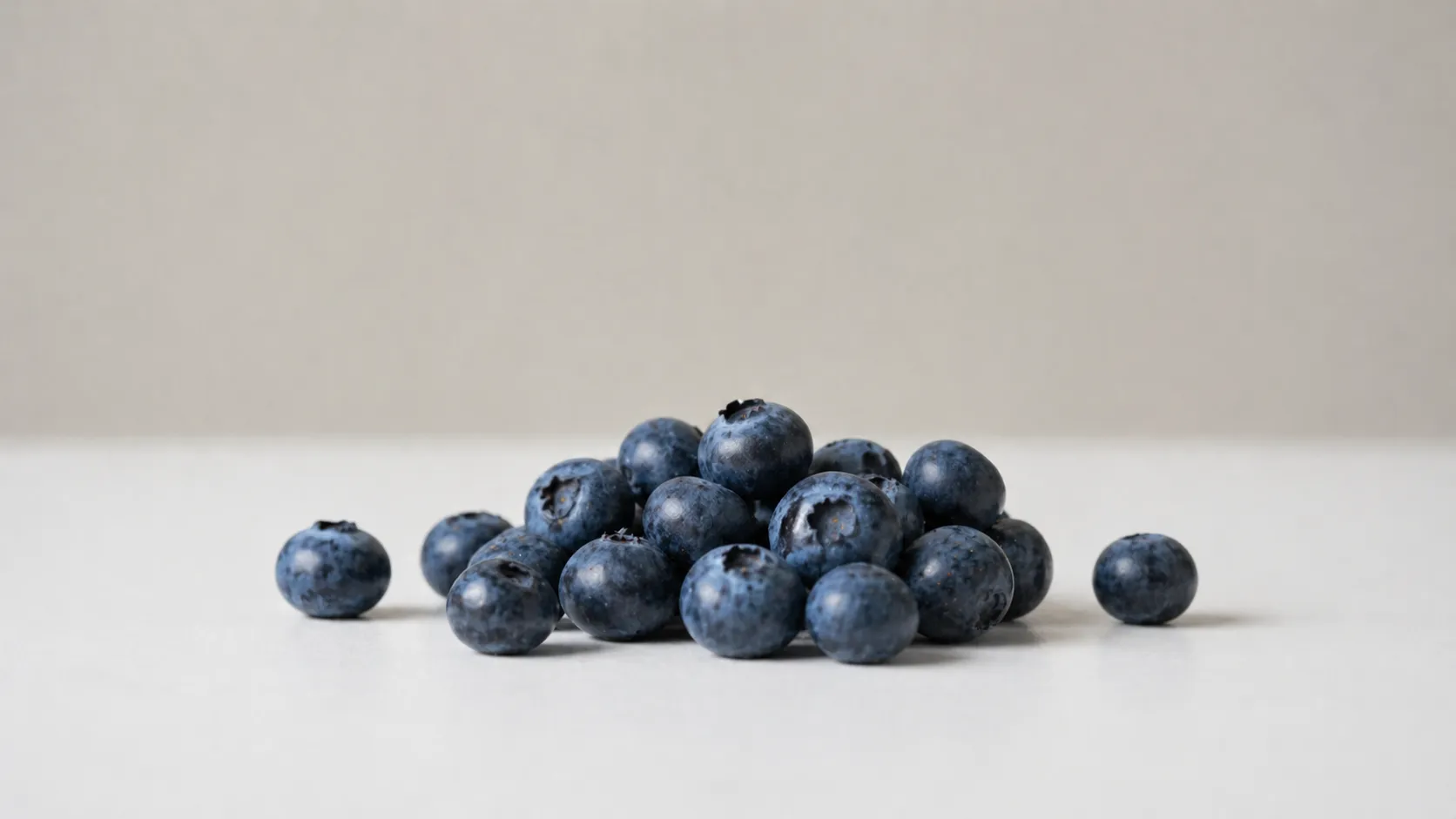
Choking risk
Whole blueberries are a high choking risk - they're small, round, and firm-skinned, the exact shape that can block a young child's airway, so they must always be cut.
For young babies, squash each berry flat or quarter it, and keep cutting whole blueberries through the toddler years - they stay a choking risk well past the first birthday. See how to serve for age-by-age prep.
Allergens
Blueberry is not a common food allergen, so a true food allergy to it is rare.
Start with a small amount and watch for a reaction.
If baby refuses
Blueberries are usually well liked, but underripe ones taste sharp. Pick fully ripe, sweet berries, and if they're refused on their own, stir them through oatmeal or yogurt, where the flavor turns milder and creamier.
How to serve
6+ months old
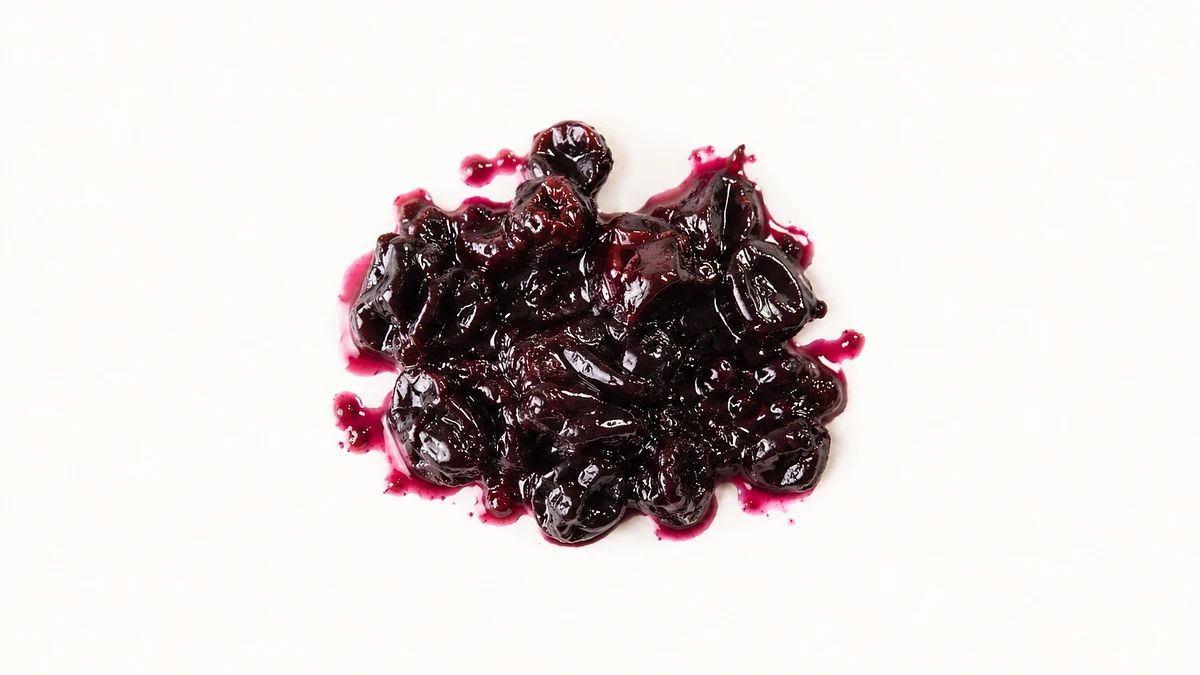
Squashed or burst cooked berries, folded into soft food
Warm ripe fresh or frozen blueberries until they burst, then mash and fold them through a soft food like oatmeal, whole-milk yogurt, or ricotta.
Never offer a whole blueberry at this stage - whole, round berries are a choking hazard, so always squash or quarter them first.[2]
How to cook - Blueberry compote
Put fresh or frozen blueberries in a small pan with a splash of water. Warm over medium-low heat until they soften and burst, about 5–8 minutes, stirring now and then and pressing with the back of a spoon to break them down. Let it cool, then mash any remaining whole berries so none stays round.
9+ months old
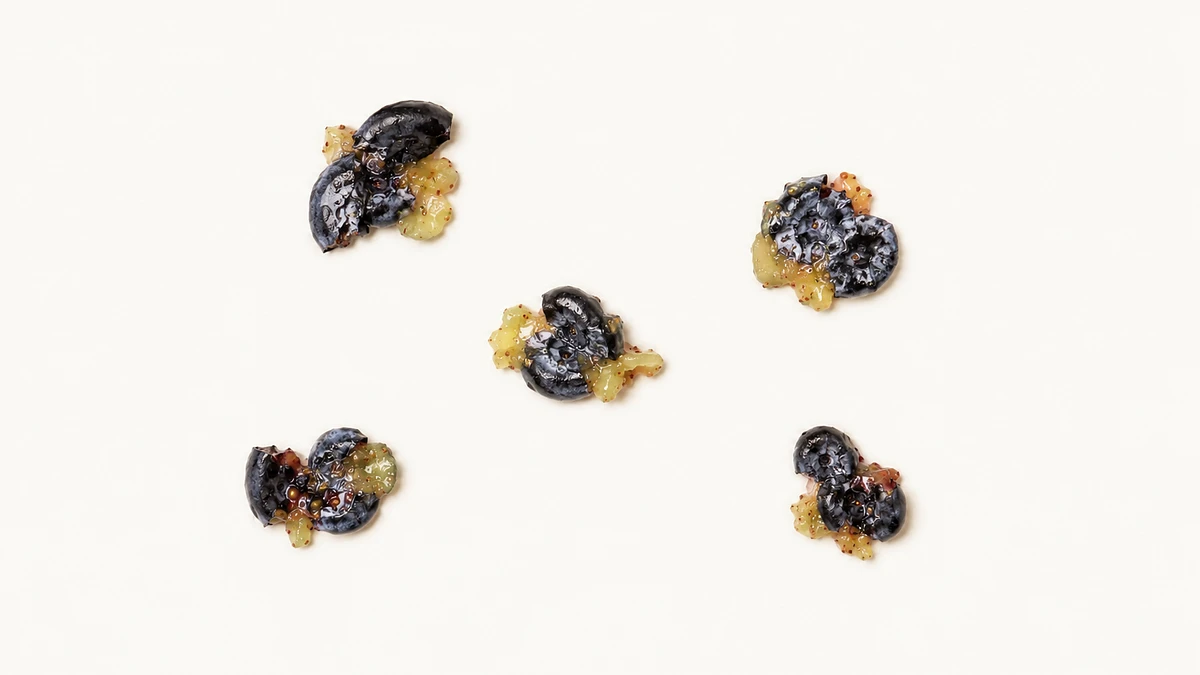
Squashed flat berries
Squash ripe blueberries into flat soft discs, and offer them on the tray for pincer-grasp practice. You can keep folding burst berries through yogurt or oatmeal, or offer soft bakes with blueberries in them. Still never serve a whole berry. [2]
How to cook
Ripe berries can be served raw once squashed. Warm firmer berries briefly in a pan to soften them first.
24+ months old
Keep serving blueberries squashed completely flat or mashed and folded through a soft food like oatmeal, whole-milk yoghurt, or ricotta.
Whole blueberries are a round, airway-sized food, so they stay a choking risk through toddlerhood. A whole berry can be introduced from around 24 months, but only once your toddler reliably takes small bites, chews thoroughly, and sits calmly to eat - always one at a time and closely supervised.
The most cautious guidance waits until age 4 for whole round foods, so go at your child's pace.
Tips
Pick plump, fully ripe berries; fresh or frozen both work, and warming them until they burst softens them for young babies. Stir burst berries through oatmeal or whole-milk yogurt, or fold them into pancakes.