 HeySolids
Choking risk
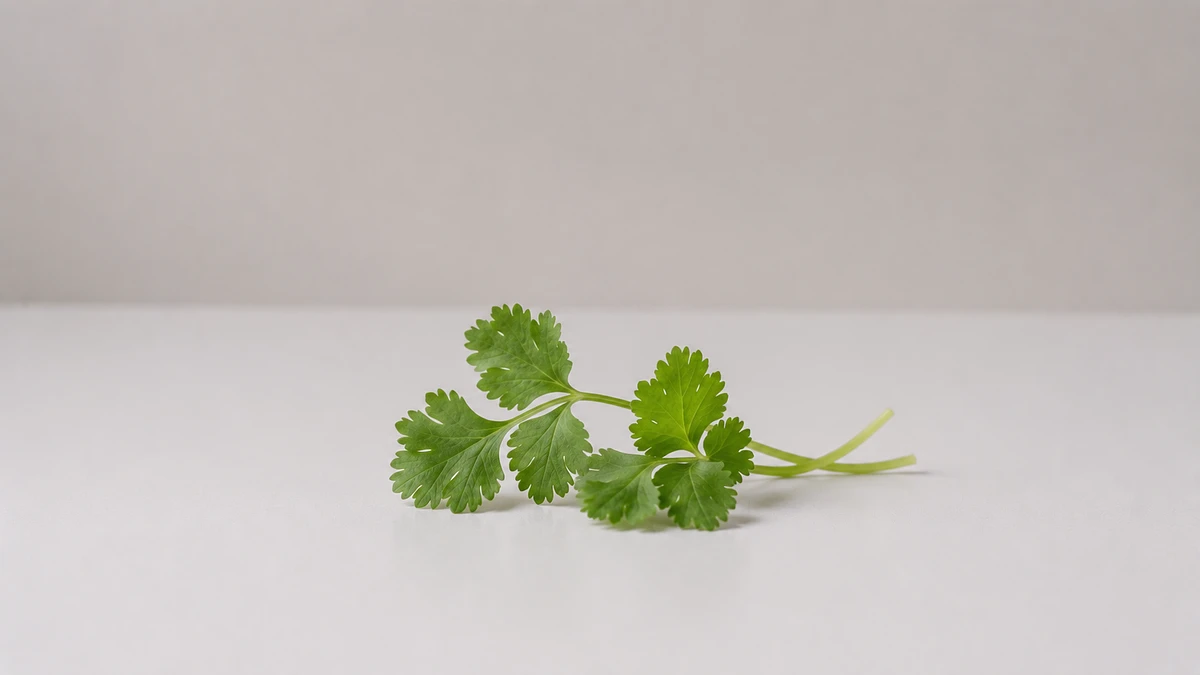
Cilantro stirred into food is a low choking risk. Finely chop the fresh leaves or blend them into a sauce so a large piece doesn't stick to the roof of the mouth, or cook ground coriander into the dish instead. See how to serve for age-by-age prep.
Allergens
Cilantro is not a common food allergen, so a true allergy to it is rare.[1]
Start with a small amount and watch for a reaction.
If baby refuses
Some people are genetically wired to taste fresh cilantro as soapy, so a refusal may simply be down to taste and no amount of trying will change that. The warmer, milder ground seed cooked into a dish is a good alternative, or use just a little of the fresh leaf where it blends in.
How to serve
6-24 months+
A pinch, stirred into food
A small amount, fresh or ground
Cilantro is a flavouring rather than a food on its own - a little brightens curries, dals, soups, salsas, and rice. Finely chop the fresh leaves and stir them in near the end of cooking, or cook ground coriander (the dried seed) into the dish for a warmer, milder flavour. Start with a small amount and build up as baby gets used to it. There's no reason to hold it back - herbs and spices are a good way to add flavour without salt.
How to prepare
Wash fresh cilantro well, then finely chop the leaves so there are no large pieces, and stir them through the dish. Ground coriander can go straight in. A little goes a long way, so add gradually and taste as you go.
Cilantro and coriander
They're the same plant. In the US, "cilantro" means the fresh leaves and "coriander" the dried seed or ground spice. In the UK and elsewhere, "coriander" covers both, and the fresh leaves are called "fresh coriander."