 HeySolids
Choking risk
Cinnamon mixed into food is a low choking risk, and neither the CDC nor the AAP lists it as one to avoid.
Stir it into food rather than offering dry powder, which can make baby cough, and remove any whole stick first. See how to serve for prep at each age.
Allergens
Cinnamon is not a common food allergen, so a true food allergy to it is rare.[1]
More often it causes mild irritation around the mouth on contact, which settles on its own and is not an allergy.
Start with a small amount and watch for a reaction.
If baby refuses
Cinnamon on its own is intense - a little too much can taste sharp and feel drying in the mouth. Use a smaller pinch next time, and pair it with naturally sweet foods where it belongs: stirred into oatmeal, dusted over banana, or baked into apple or sweet potato. If it's still a no, drop it for a few weeks and try again - spices often land on the third or fourth meeting.
Food safety
A pinch of cinnamon is fine for babies - the safety points are about which cinnamon and how much, not whether.
Buy from a brand you trust and check for recalls: cinnamon has been recalled for elevated lead, and it was contaminated cinnamon behind the 2023 lead poisonings from applesauce pouches. Lead is the reason to care about sourcing here.[4]
If you use cinnamon often, Ceylon (labelled "true cinnamon" or Cinnamomum verum) is naturally lower in coumarin, a compound that can stress the liver in large regular amounts. Most supermarket cinnamon is cassia, which is higher - fine for an occasional pinch, worth switching if it's a daily thing.
Keep it to a pinch for flavour, not spoonfuls, and there's no need to add sugar alongside it.
How to serve
6-24 months+
A small pinch stirred into food
A pinch for flavour, not a food on its own
Cinnamon is a flavouring, and the amount doesn't change much as your baby grows - only the range of foods it ends up in.
Stir a pinch into oatmeal, plain whole-milk yogurt, or apple or pear puree. Later, use it as you would for everyone else: in baking, warm fruit, and savoury dishes.
Always mix it in rather than offering the dry powder, which makes babies cough. And there's no need to add sugar alongside - cinnamon brings its own sweetness.
How to cook
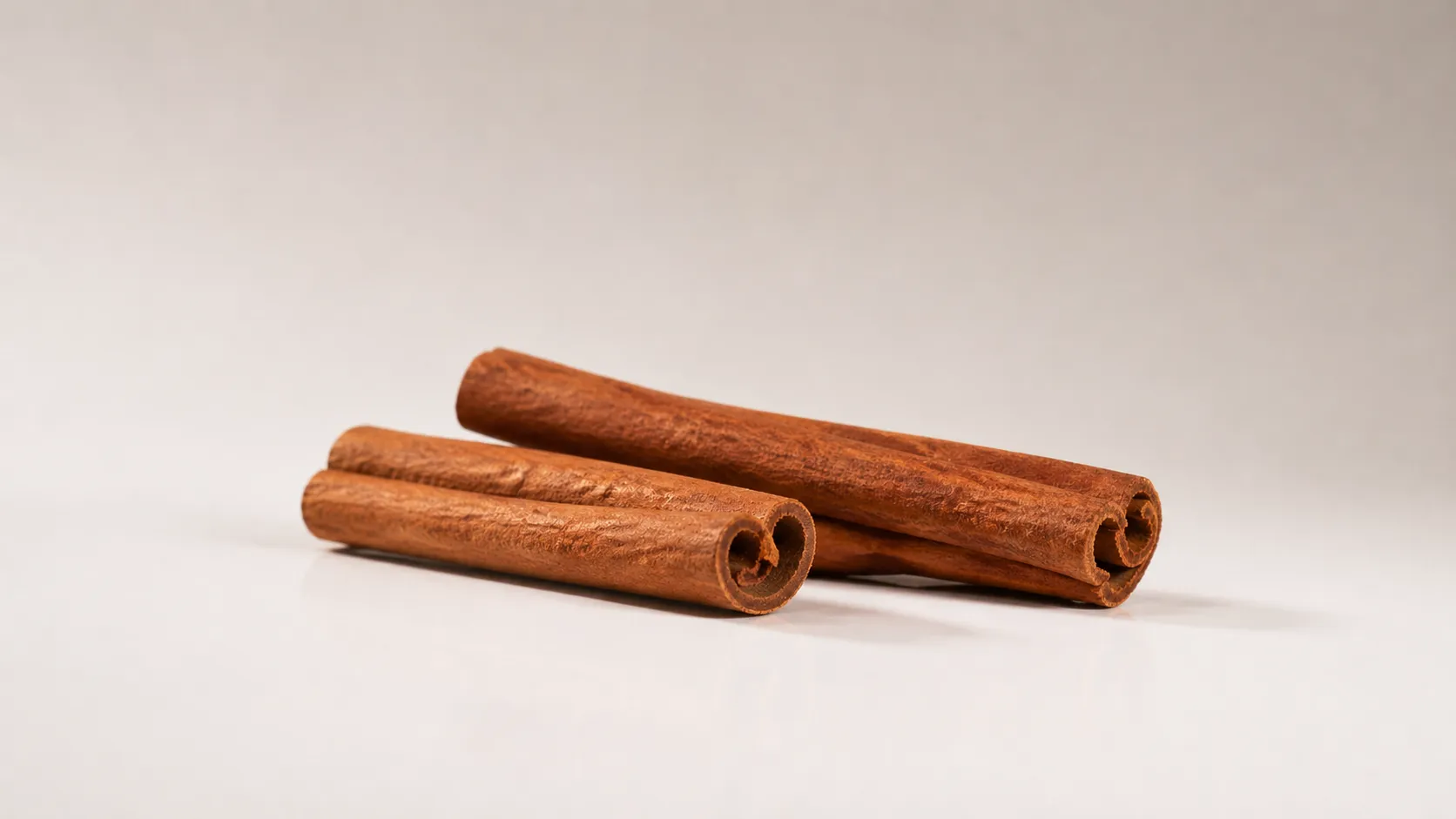
No cooking needed. Stir a pinch through warm oatmeal, yogurt, or soft cooked fruit. A whole cinnamon stick simmered in cooked fruit gives a gentler warmth - take it out before serving, since it's hard and woody.
Tips
- Pair it with naturally sweet foods. Cinnamon adds warmth and a sense of sweetness without any sugar, so a pinch on banana, apple, sweet potato, or oatmeal makes those foods taste like a treat - a handy way to add flavour without reaching for sugar.
Sources
- Food Allergies (the 9 major US allergens) - FDA
- Plant food allergy in mugwort-sensitised patients (carrot/celery/spice) - PMC3354215
- FAQ on coumarin in cinnamon and other foods - German Federal Institute for Risk Assessment (BfR)
- FDA - Alert Concerning Certain Cinnamon Products Due to Elevated Levels of Lead