 HeySolids
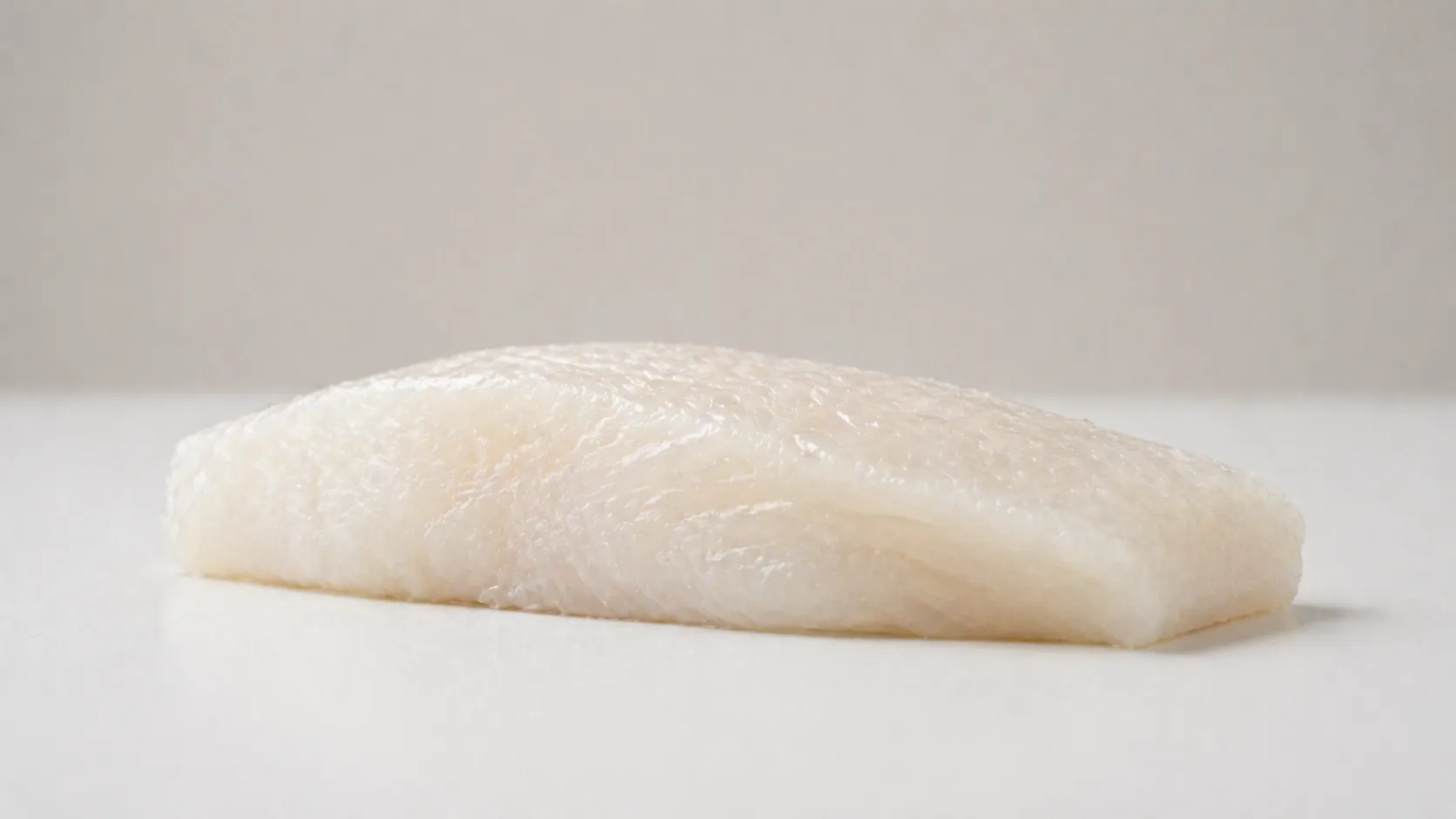
Choking risk
Cod is a moderate choking risk for babies - the soft flakes are easy to manage, but bones and dry, firm pieces are not.
Flake it finely, run your fingers through every flake to pull out bones, remove the skin, and keep it moist. See how to serve for age-by-age prep.
Allergens
Fish is a common food allergen, and a fish allergy is usually lifelong.[2]
Offer cod on its own, earlier in the day and when you can watch baby for about two hours afterward, since reactions usually show up within that window. Start with a small taste, around a quarter teaspoon, and build up gradually if all's well. Watch for a reaction and keep fish in the diet a few times a week once tolerated.
Fish and shellfish are separate allergens, so being fine with one does not mean the other is safe.
If baby refuses
Cod is one of the mildest fish and usually goes down well. If it's refused, stir flaked cod into mashed potato, fish cakes, or a pasta sauce, kept moist. Keep offering it now and then - it can take many tries before a new food sticks.
Food safety
Cook cod to 145°F (63°C), until it's opaque throughout and flakes easily.
Check carefully for bones first, running a finger through the flesh - even fillets sold as boneless can hide small ones.
Skip salted and smoked fish, and processed forms like fish fingers, which are high in salt. No added salt in the first 12 months, kept low after that.
Cod is a low-mercury fish, which makes it a good early choice. Serve fish one to two times a week, and stick to low-mercury types - skip high-mercury fish like shark, swordfish, king mackerel, and marlin..[5]
How to serve
6+ months old
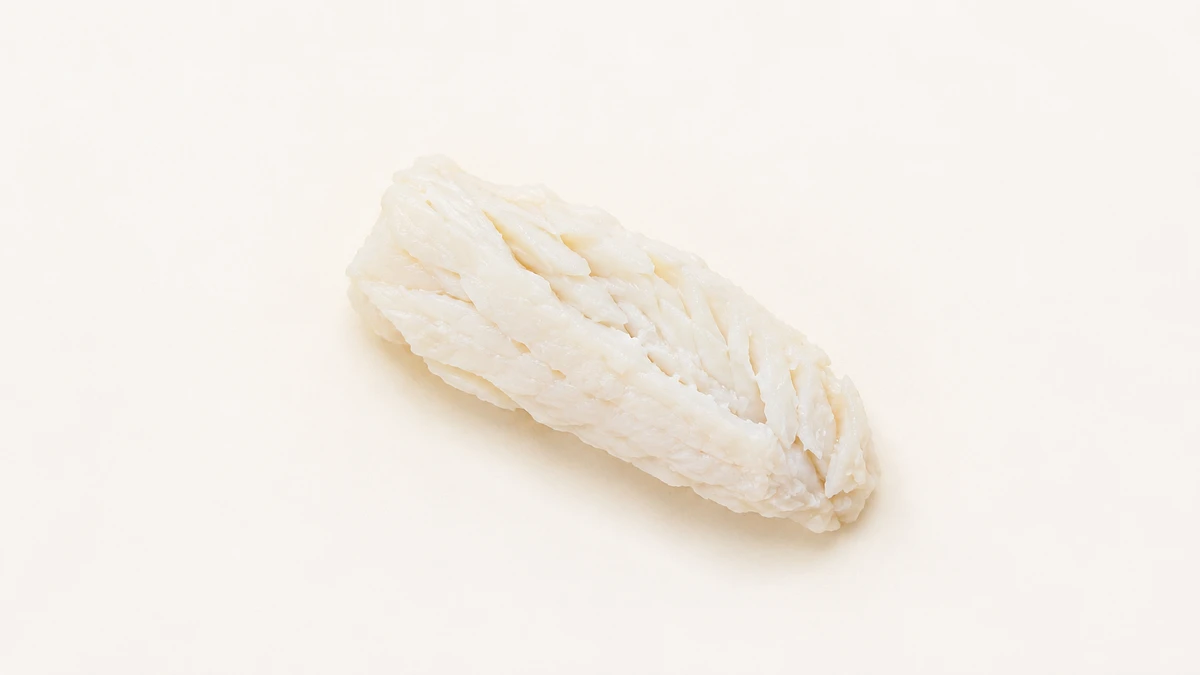
A strip to hold, or flaked into soft food
A strip the width of two adult fingers, or flaked
Offer a strip of cooked cod about two fingers wide for baby to hold and chew, or break it into flakes and mix through something soft like mashed potato. A soft fish cake works well too, made big enough that baby can't fit the whole thing in at once.
Take the skin off, and go through the flakes for bones before serving. Cod dries out easily, so keep it moist.
How to cook
Bake, poach, or steam until the fish reaches 145°F and flakes easily, then cool, flake, and check carefully for bones.
9+ months old
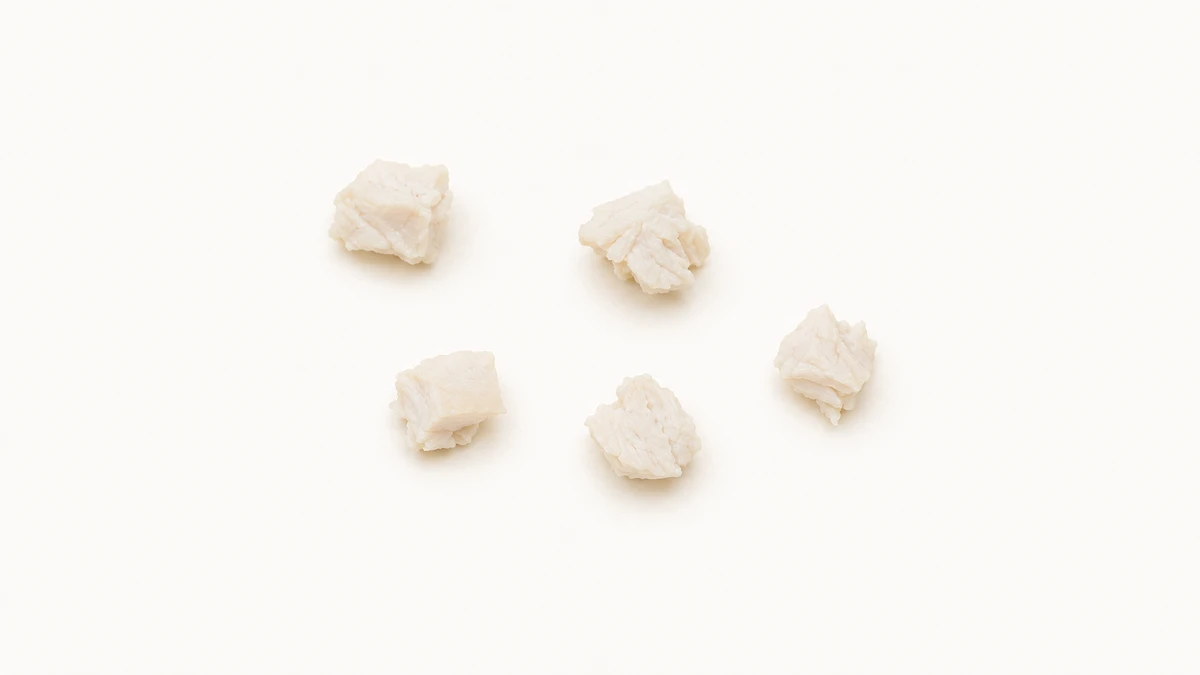
Small soft pieces, a strip to hold or fish cakes
Bite-sized soft pieces, or a strip to hold
Once baby is picking up smaller things with finger and thumb, offer small flakes or soft bite-sized pieces to practise on, or carry on with a longer strip. Soft homemade fish cakes, made with no added salt, work well too. Mix flakes into mashed potato or a little olive oil so they don't dry out.
Keep going through every flake for bones, and take off the skin.
How to cook
Bake, poach, or steam to 145°F until opaque and flaking, then cool and flake into pieces.
12+ months old
In family meals
Bite-sized soft pieces, or flaked into dishes
Offer small soft pieces or flakes on their own or mixed into family dishes, and let your toddler practise with a fork. Cod now works well in fish pie, fish cakes, and pasta. Keep it moist, and skip dry, firm pieces.
Still check every flake for bones, and keep to plain cod rather than salted or smoked fish.
How to cook
Bake, pan-fry, or poach as part of a family meal, cooked to 145°F until opaque and flaking, with all bones removed.
Tips
- Frozen is as good as fresh, sometimes better. Cod is usually frozen at sea within hours of the catch, so frozen fillets are fresh-tasting and cheaper. Buy skinless, boneless fillets to save the two fiddliest prep jobs, and cook straight from frozen or thaw in the fridge.
- Run a finger across it before serving, every time. Even fillets sold boneless can hide a stray pin bone, and fish bones are the real hazard with cod. Press gently along the flesh with a fingertip - you'll feel a bone before baby finds it.
Sources
- Choking Hazards (Infant & Toddler Nutrition) - CDC
- Fish - FARE
- When to Introduce Egg, Peanut Butter & Other Common Food Allergens - AAP HealthyChildren
- When, What, and How to Introduce Solid Foods - CDC
- Advice About Eating Fish - FDA
- Fish, cod, Atlantic, cooked, dry heat (FDC 171956) - USDA FoodData Central