 HeySolids
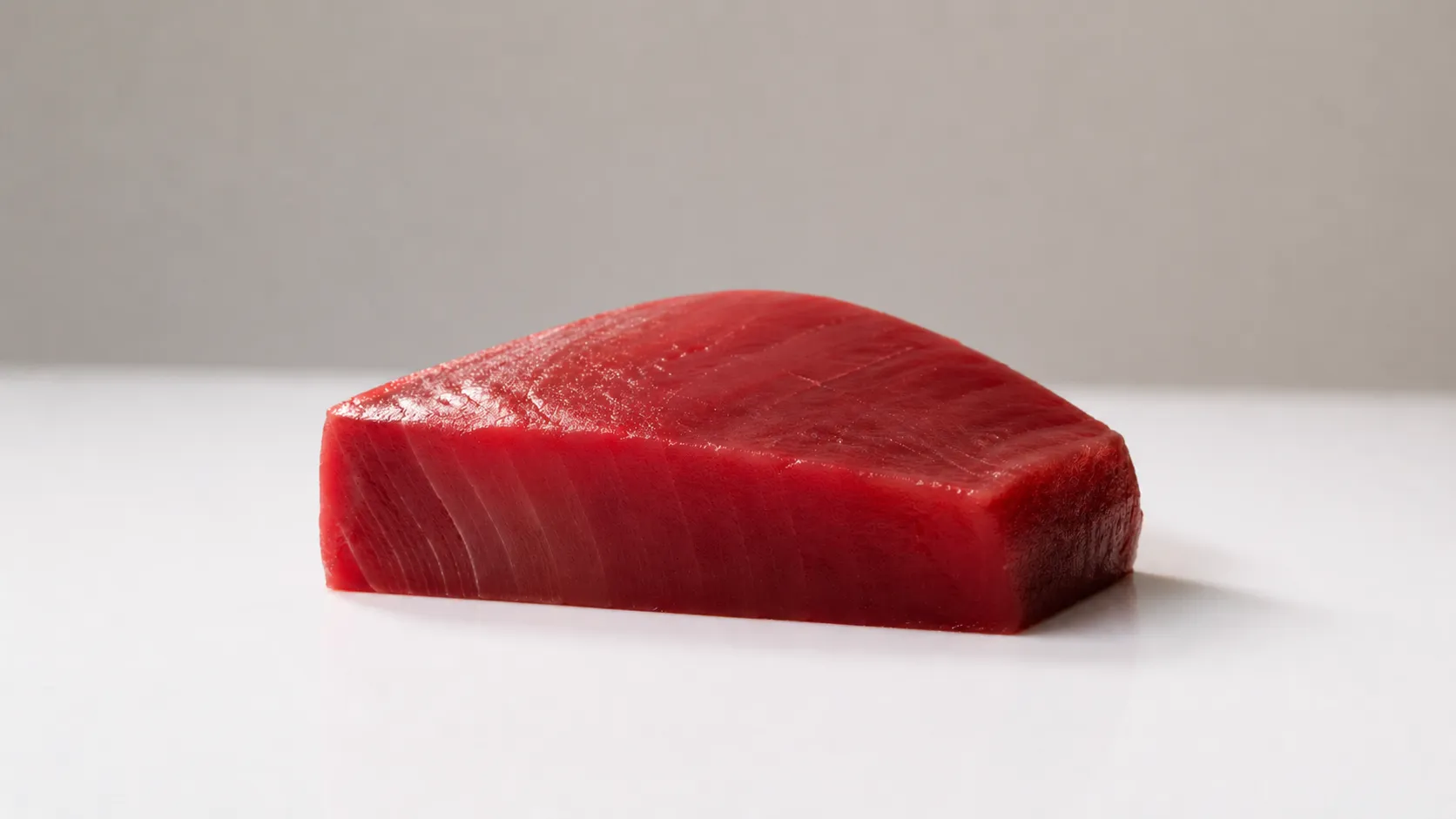
Choking risk
Prepared the right way, tuna is a low choking risk - soft flakes go down easily.
The two things to manage are dry, clumpy tuna, which can ball up in the mouth, and bones in fresh tuna.
Canned tuna needs no bone-picking, since canning softens any bones, but flake it finely and loosen it with a little yogurt, mashed avocado, or olive oil so it doesn't clump. For fresh tuna, remove the bones and skin. See how to serve for age-by-age prep.
Allergens
Fish is one of the nine most common food allergens, and a fish allergy is usually lifelong.
Offer tuna on its own, earlier in the day and when you can watch baby for about two hours afterward. Start with a small taste, around a quarter teaspoon, and watch for a reaction. Build it up gradually if all's well. [2]
Once baby is comfortable with it, keep fish in the diet a few times a week. Fish and shellfish are separate allergens, so being fine with one doesn't mean the other is safe.
If baby refuses
Tuna has a stronger, fishier taste than milder fish like cod, so it can take a few goes. If baby turns it down, mix it into something familiar and creamy - mashed potato, avocado, or a little cream cheese - which softens the flavour and the texture at once. Keeping it moist helps too, since dry tuna is less appealing. It often takes many tries before a new food sticks.
How to serve
6+ months old
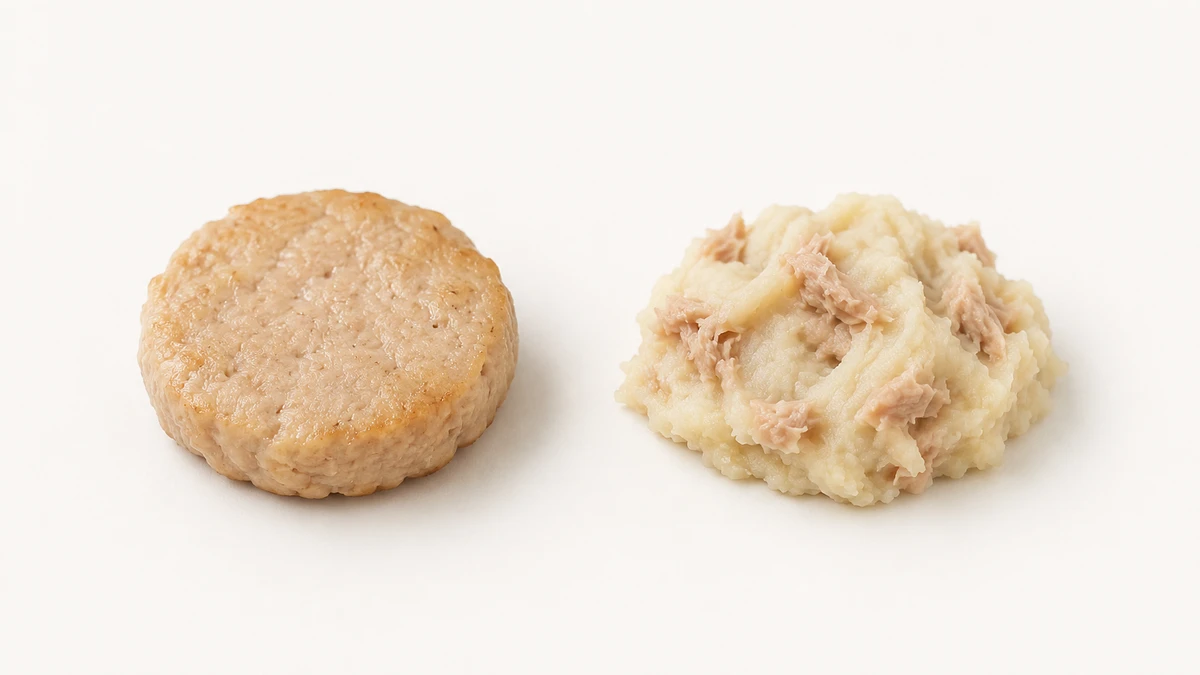
Moist tuna stirred into soft food, or a big soft patty
Spoon-fed, or a patty bigger than a mouthful
Stir well-drained, finely flaked tuna through a soft, moist food like mashed potato, avocado, or a mild white sauce, and serve it on a pre-loaded spoon. Keep it loose so it doesn't clump - tuna dries out easily.
A soft homemade tuna patty, made without added salt and bigger than a mouthful, also works for baby to hold and gnaw. Use canned light tuna, and see the Allergens section the first time you serve it.
How to cook
No cooking needed for canned light tuna - just drain well and flake finely; there's no need to pick out bones, since canning softens them. For fresh tuna, cook to 145°F until it flakes, then cool, flake, and remove any bones. Mix into a soft food to keep it moist.
12+ months old
A small amount in family meals
About 1 oz, around once a week
Tuna can go into family meals now - flaked through pasta, a rice bowl, or a soft sandwich - but keep the portion small.
A toddler serving is only about 1 oz (a rounded tablespoon or two of flaked tuna). Once a week is plenty: a toddler needs only about two small servings of fish a week in total, so tuna is best as one of those, with a different fish like salmon or cod the other time rather than tuna every time.
Sandwiches and tuna salad are where portions creep up, so go light - a thin layer, bulked out with mashed avocado or plain yogurt rather than more tuna. Stick with canned light tuna, and keep albacore and fresh tuna occasional.
How to prepare
Drain canned light tuna well; no need to remove bones. Combine with something moist so it doesn't dry out, and go easy on added salt. For fresh tuna, cook to 145°F, flake, and check for bones.
Tips
- Light, not white. The single most useful habit: reach for cans labeled "chunk light" or "skipjack," not "white" or "albacore." Albacore looks like the premium choice but carries about three times the mercury - light tuna is the low-mercury one, and it's usually cheaper too.
- Mash it with something creamy. Tuna on its own is dry and clumpy - the texture babies push away and the one that can ball up in the mouth. Mash it into avocado, plain yogurt, mashed potato, or a little olive oil, and it turns soft, moist, and easy to eat, with the flavour softened too.
- Rotate it, don't lean on it. Because tuna counts toward a toddler's small weekly fish limit, it's better as an occasional player than a staple - keep a couple of low-mercury alternatives like salmon, sardines, or cod in the rotation so no single fish dominates. Handy for variety and for keeping mercury low without tracking ounces too closely.