 HeySolids
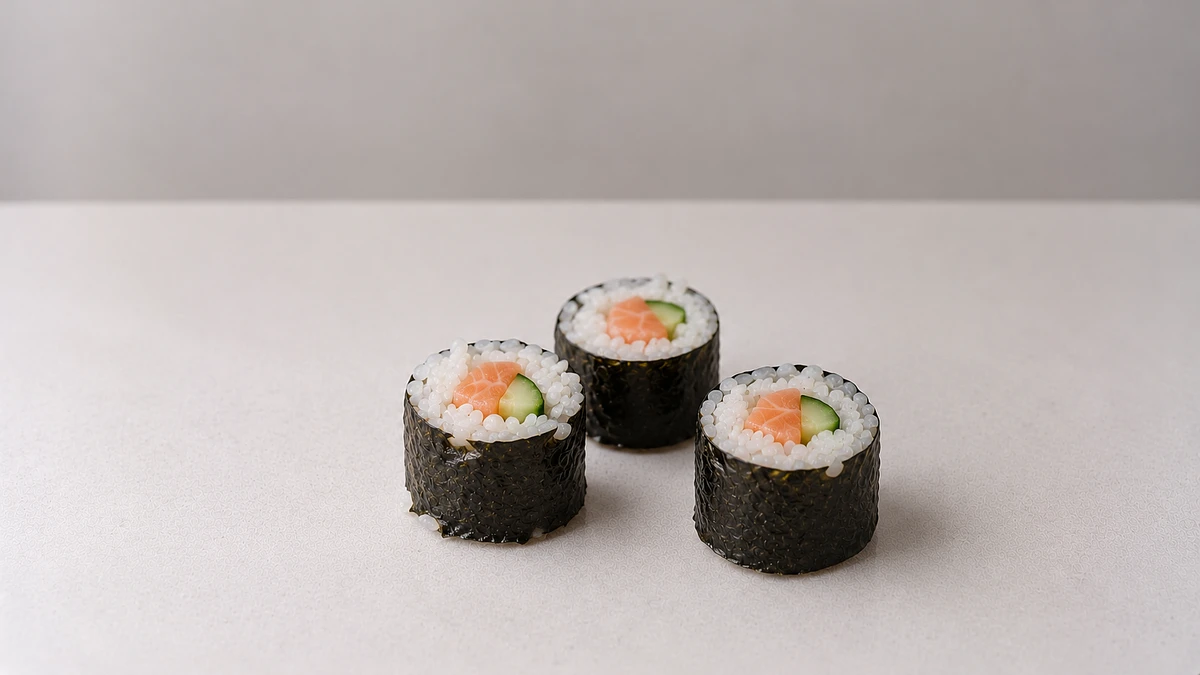
Can babies have sushi?
Cooked and vegetable sushi, yes. Cucumber or avocado rolls, cooked salmon or shrimp, and egg (tamago) are all ordinary baby foods in a new shape, fine from 6 months once they’re taken apart or cut small. Raw fish is where to draw the line. The FDA lists children, along with pregnant women and older adults, among the groups who should avoid raw or undercooked seafood like sashimi, because of parasites and bacteria that hit them harder than healthy adults.[1][2]
There’s no official age when raw fish becomes safe, so the cautious choice is to skip sashimi, raw-fish rolls and raw shellfish until at least age 5, and stick to cooked and vegetable rolls until then. Two more things to watch. Sushi rice is seasoned with vinegar, sugar and salt, so offer your baby plain rice instead. And soy sauce is very salty: skip it in the first year, and after that a small dip is plenty.[3]
Choking risk
Sushi is a moderate choking risk - a whole piece is a firm, mouth-sized cylinder, sticky rice can pack into a ball, and nori is chewy and can paste itself to the roof of the mouth.
Take rolls apart for a baby - rice, filling and small torn bits of nori served separately - and cut pieces into quarters once they're chewing well, with cucumber and carrot fillings soft-cooked or shredded. See how to serve for each age.[4]
Allergens
Sushi brings several common allergens together: fish, shellfish (shrimp, crab), soy in the soy sauce, wheat in most soy sauces and in imitation crab, and sesame seeds on many rolls.[5][6][7][8][9]
Imitation crab is worth a second look - it's usually pollock with wheat and egg, sometimes with real crab extract. Introduce each allergen on its own first; once they're in the diet, a mixed roll is fine.[10][11]
As with any new food, start with a small amount and watch for a reaction.
If baby refuses
Nori is often the sticking point - the flavor and chew are new. Serve the rice and filling without it at first, press the rice into a small ball or log baby can hold, and let them meet seaweed in tiny shreds stirred into the rice before trying a wrapped piece.
Food safety
Raw fish can carry parasites like Anisakis and bacteria like Listeria and Vibrio. Freezing kills the parasites but not the bacteria, which is why the FDA advises cooked seafood only for children, cooked to 145°F. Raw oysters, clams and other raw shellfish carry the highest risk of all.[1][2][12]
Mercury matters even when fish is cooked. Bigeye tuna, a common sushi fish, is on the FDA’s list of fish to avoid, and yellowfin and albacore tuna should be limited to once a week for young children. Salmon, shrimp and crab are better choices.[13] Sushi rice left out at room temperature can also cause food poisoning, so eat it fresh and refrigerate leftovers within 2 hours.
How to serve
6+ months old
Deconstructed sushi
A rice stick, avocado spears, flakes of fish
Skip the roll and serve the parts separately: short-grain rice pressed into a soft log about the length of an adult finger, a spear of avocado, flaked cooked salmon or soft scrambled egg, with a little nori crumbled into the rice. Use plain rice rather than seasoned sushi rice, and skip soy sauce, wasabi and pickled ginger. No raw fish.
How to prepare
Cook the rice until soft and sticky. Cook the fish to 145°F and check carefully for bones. Crumble the nori finely into the rice rather than serving it as loose pieces.
12+ months old
Cooked or veggie rolls cut into quarters
A quarter of a maki piece
For a toddler who chews well, cut cucumber, avocado, cooked salmon, shrimp or egg rolls into quarters, with a tiny dip of soy sauce at most. With restaurant rolls, ask what’s inside and check for allergens like sesame, fish, shellfish and egg. Leave raw-fish rolls, sashimi and raw shellfish for the adults until your child is at least 5.
How to prepare
Cut each piece into quarters. Peel the cucumber and slice fillings thin. Keep sushi cold and eat it the day it’s made.
Sources
- Selecting and Serving Fresh and Frozen Seafood Safely (children among those who should avoid raw seafood; cook to 145°F) - FDA
- About Anisakiasis (parasites in raw or undercooked fish and squid) - CDC
- Dietary Reference Intakes for Sodium and Potassium (AI 370 mg at 7-12 months, 800 mg at 1-3 years) - National Academies 2019
- Choking Hazards (Infant & Toddler Nutrition) - CDC
- Food Allergies (the 9 major US allergens) - FDA
- Fish - FARE
- Shellfish - FARE
- Soy - FARE
- Sesame - FARE
- When to Introduce Egg, Peanut Butter & Other Common Food Allergens - AAP HealthyChildren
- Wheat - FARE
- Vibrio and Oysters (cook seafood thoroughly) - CDC
- Advice About Eating Fish (bigeye tuna on the avoid list) - FDA