 HeySolids
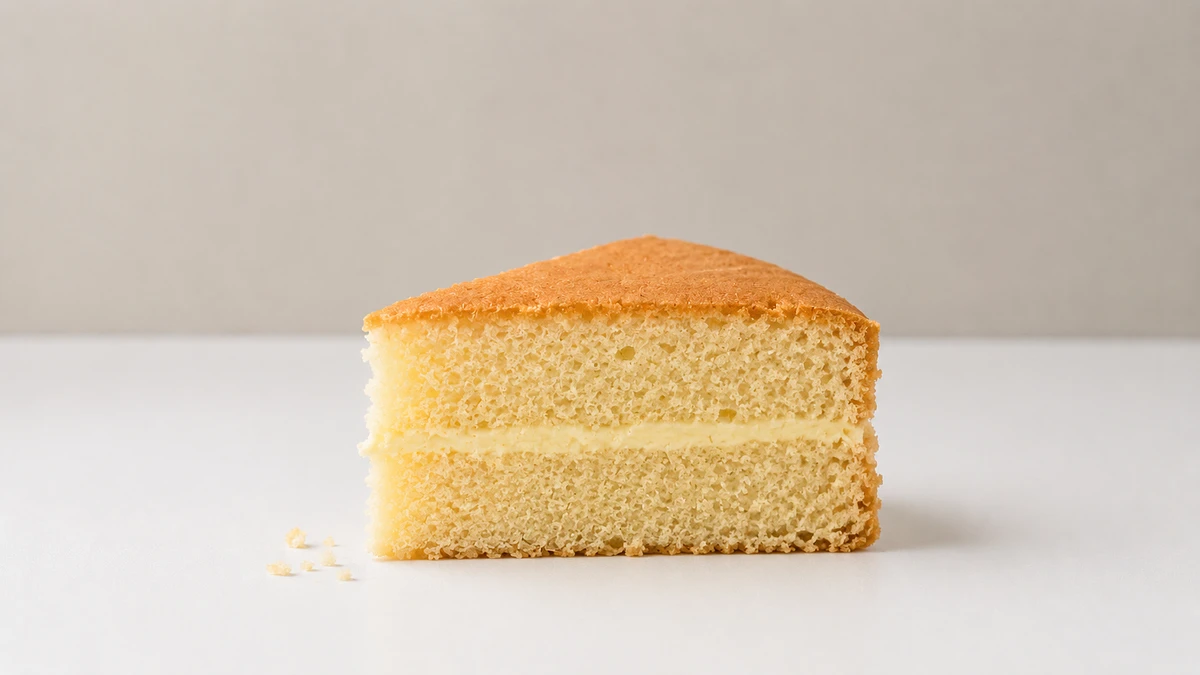
Can babies have cake?
Not the usual kind. Most cake is built on added sugar, which isn't recommended before age 2. But cakes made without it do exist - sweetened with mashed banana or apple purée instead, and topped with whipped cream cheese or full-fat yogurt rather than icing. These are what most first-birthday smash cakes are made from, and they let a baby join in.
Choking risk
Cake is a low choking risk - most cakes are soft and easy to chew.
Watch the extras rather than the sponge: whole nuts, candy decorations, and very dry, crumbly cake are the parts that can catch in a small throat, so serve small pieces with a drink nearby. See how to serve for age-by-age prep.
Allergens
Cake isn't one allergen - it's usually three. A typical cake is made with wheat flour, egg, and milk, and frostings and toppings often add tree nuts or peanuts.[1]
Don't let a party slice be your child's first taste of any of these - introduce wheat, egg, milk, and nuts on their own first. With bakery cake, ask about nuts in the frosting and decorations.[2]
Always start with a small amount and watch for a reaction.
Food safety
The reason cake waits is added sugar: US guidance says none before age 2, and cake is one of its most concentrated forms.[3][4]
The first birthday is the honest exception. One smash cake on one day won't undo anything - the guidance is about habits, not a single celebration - and a banana- or applesauce-sweetened homemade version keeps the ritual with no added sugar at all.[5]
How to serve
Up to 2 years old
No added-sugar cake yet
Skip regular cake before age 2 - it's added sugar in one of its most concentrated forms, and the guidance for these years is none at all.[3]
For the first birthday
A homemade smash cake sweetened with mashed banana or unsweetened applesauce keeps the ritual and drops the sugar - top it with whipped cream or thick plain yogurt instead of frosting. Make sure baby has already met wheat, egg, and milk before the big day.
2+ years old
An occasional slice at celebrations
A small slice, sometimes
From age 2, cake can join birthdays and holidays - a small slice at real occasions, not an everyday food. For scale, current guidance keeps added sugar to about 2 teaspoons in a meal, and most slices sail past that.
Cut it into small pieces, pull off whole nuts and hard candy decorations for the youngest eaters, and offer water alongside dry or crumbly cake.
Sources
- Food Allergies (the 9 major US allergens) - FDA
- When to Introduce Egg, Peanut Butter & Other Common Food Allergens - AAP HealthyChildren
- Dietary Guidelines for Americans 2020-2025 (birth-24 months: no added sugar/salt under 2) - USDA/HHS
- Added Sugars and CV Disease Risk in Children (none under 2) - AHA, Circulation 2016
- Foods and Drinks to Avoid or Limit (honey, added sugar, salt) - CDC