 HeySolids
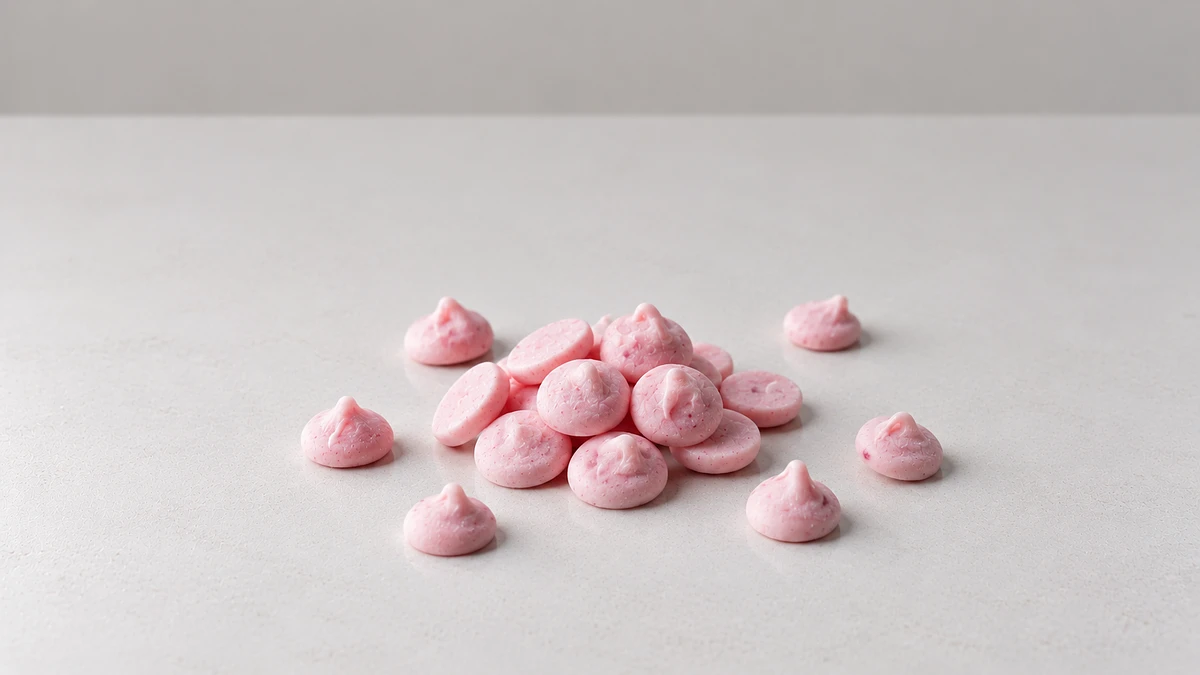
Can babies have yogurt melts?
Yes, from around 9 months, if you choose a brand with no added sugar. Yogurt melts are small drops of yogurt and fruit purée that have been freeze-dried, so they’re crisp in the pack and soften within a few seconds in the mouth. That makes them a good finger food for a baby who can sit up and pick things up. Offer plain yogurt first, so your baby has already had dairy.[1]
The catch is sugar. Many brands add it: Gerber’s label lists 2 g of added sugar per quarter-cup serving. Children under 2 shouldn’t have added sugar, so look for a brand sweetened only with fruit, and offer a few at a time as an occasional snack.[2][3]
Choking risk
Yogurt melts are a low choking risk - they dissolve on contact with saliva - but they're hard and dry in the pack, so a baby who isn't ready for finger foods can gag on one before it softens.
Offer one or two at a time, never a pile, and check that a new brand dissolves on your own tongue within a few seconds. See how to serve for each age.[4]
Allergens
Yogurt melts are made from cow's milk, a common food allergen and one of the most common allergies in babies.[5][6]
If baby already eats yogurt, melts bring nothing new. If not, start with plain yogurt by the spoon so a reaction is easy to spot, and keep dairy in the diet once it's in. A baby with a known milk allergy will react to melts.[7]
As with any new food, start with a small amount and watch for a reaction.
Food safety
Added sugar is the main thing to watch. Melts shouldn’t crowd out iron-rich foods or replace plain yogurt, which has far more protein and calcium than a handful of melts. Melts made with fruit juice concentrate count as added sugar too.[3][8]
Keep the pack sealed and dry. Melts go soft and sticky in humid air, and a chewy melt is harder for a baby to manage than a crisp one. Skip honey-sweetened versions entirely: honey isn’t safe before 12 months, and after that it still counts as added sugar, so they wait until 2.[9]
How to serve
9+ months old
One or two melts at a time
Put one or two melts on the tray for your baby to pick up; they soften within a few seconds in the mouth. Keep the total small, and offer them after a meal rather than instead of one. Plain whole-milk yogurt on a spoon is still the everyday way to offer dairy.
12+ months old
A small snack from the pack, with water
A small handful of melts makes an easy snack when you’re out, served with water. At home, plain yogurt with fruit stirred in does the same job with more protein and calcium, so keep melts for now and then. Until age 2, stick to brands with no added sugar.
Sources
- When, What, and How to Introduce Solid Foods - CDC
- Gerber Snacks for Baby Yogurt Melts, Banana Vanilla - nutrition label (2 g added sugars per serving) - H-E-B
- Dietary Guidelines for Americans 2020-2025 (birth-24 months: no added sugar/salt under 2) - USDA/HHS (PDF)
- Choking Hazards (Infant & Toddler Nutrition) - CDC
- Food Allergies (the 9 major US allergens) - FDA
- Milk - FARE
- When to Introduce Egg, Peanut Butter & Other Common Food Allergens - AAP HealthyChildren
- Added Sugars and CV Disease Risk in Children (none under 2) - AHA, Circulation 2016
- Botulism Prevention (no honey under 1) - CDC