 HeySolids
Choking risk
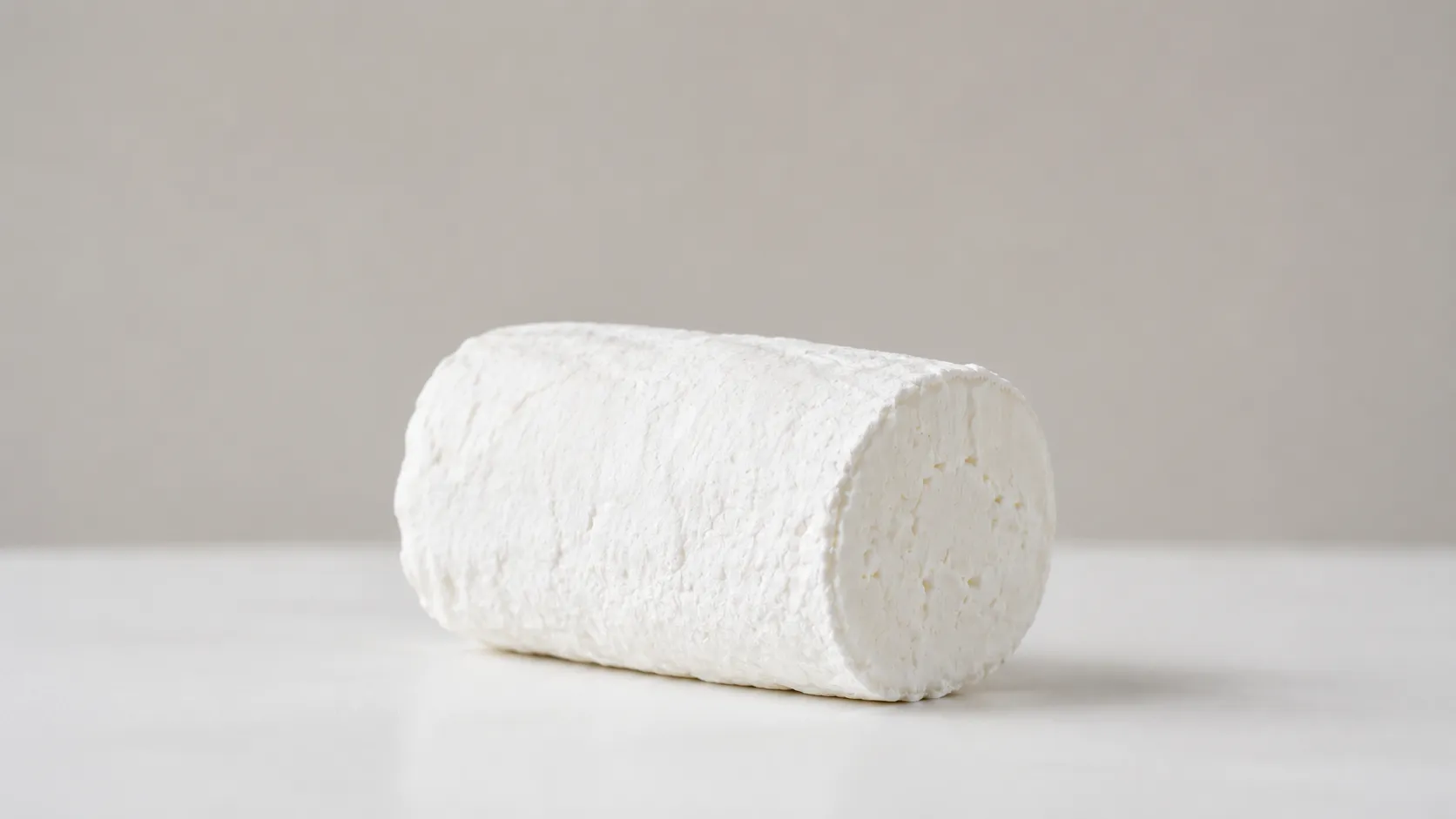
Goat cheese is a low choking risk - it spreads and crumbles easily in the mouth.
Harder, aged goat cheeses are firm and dense like other hard cheeses, so grate those rather than serving cubes or chunks. See how to serve for age-by-age prep.
Allergens
Goat cheese is made from milk, one of the nine most common food allergens, and milk allergy is one of the most common in babies.[1]
If dairy is still untried, there's no reason to delay it. Offer it on its own the first time, earlier in the day and when you can watch baby for about two hours afterward, and watch for a reaction. Build up gradually if all's well.[2]
If your baby has reacted to dairy before, talk to your pediatrician before offering cheese.
If baby refuses
Goat cheese has a sharp, tangy taste that can be strong on its own. If baby pulls a face, start with just a crumble, or stir a small amount into pasta, mashed vegetables, or scrambled egg, where the flavour mellows.
Food safety
Use pasteurized goat cheese only, and check the label - soft goat cheeses are often made from unpasteurized milk. Skip soft mold-ripened types with a rind, which can carry listeria, unless they're cooked into a dish until steaming hot.[5]
Goat cheese can be salty, especially aged styles, so keep servings small. No added salt in the first 12 months, kept low after that.[4]
How to serve
6+ months old
A thin spread or small crumble stirred in
A little soft goat cheese, spread thin or stirred in
Spread a little plain, pasteurized soft goat cheese thinly on toast strips about two adult fingers wide, or stir a small crumble into mashed vegetables, a grain dish, or scrambled egg. Use a plain goat cheese that isn't mold-ripened, and keep the amount small since cheese is salty.
How to prepare
No cooking needed for plain soft goat cheese. Spread a thin layer onto soft food, or stir a small crumble into a warm dish. If it's too firm to spread, loosen it with a little of baby's usual milk.
9+ months old
Small crumbles or a thin spread
Crumble a little plain, pasteurized soft goat cheese over soft food for baby to pick up, or keep spreading it thinly on toast strips. Soft cheese can stick in the mouth, so offer a small cup of water alongside. Still plain and not mold-ripened, and still in small amounts since cheese is salty.
How to prepare
No cooking needed for plain soft goat cheese. Crumble finely over warm pasta or vegetables, or spread thinly. Grate harder goat cheese rather than cubing it.
12+ months old
Small amounts crumbled or cooked into dishes
Serve plain, pasteurized goat cheese in small amounts - crumbled over food, spread thinly, or cooked into family dishes like pasta, tarts, or roasted vegetables. It can still be salty, so a little is plenty.
How to prepare
No cooking needed for plain soft goat cheese. Crumble into meals, spread thinly, grate harder styles, or bake into dishes. Cooking until steaming hot also makes mold-ripened goat cheese safe to serve.
Tips
- Freeze it in slices for easy crumbling. Soft goat cheese smears rather than crumbles straight from the fridge. Cut the log into slices, freeze them on a tray, and you can crumble a frozen slice into neat pieces with your fingers. It keeps well frozen for a couple of months, which saves a log going off before you've used it - just note that freezing makes it crumblier, so use frozen-then-thawed cheese in cooking or crumbled over food rather than as a smooth spread.
Sources
- Food Allergies (the 9 major US allergens) - FDA
- When to Introduce Egg, Peanut Butter & Other Common Food Allergens - AAP HealthyChildren
- Milk - FARE
- Foods and Drinks to Avoid or Limit (honey, added sugar, salt) - CDC
- Listeria monocytogenes in Soft-Ripened Cheese - FDA
- When, What, and How to Introduce Solid Foods - CDC
- Cheese, soft type, goat (FDC 173435) - USDA FoodData Central