 HeySolids
Choking risk
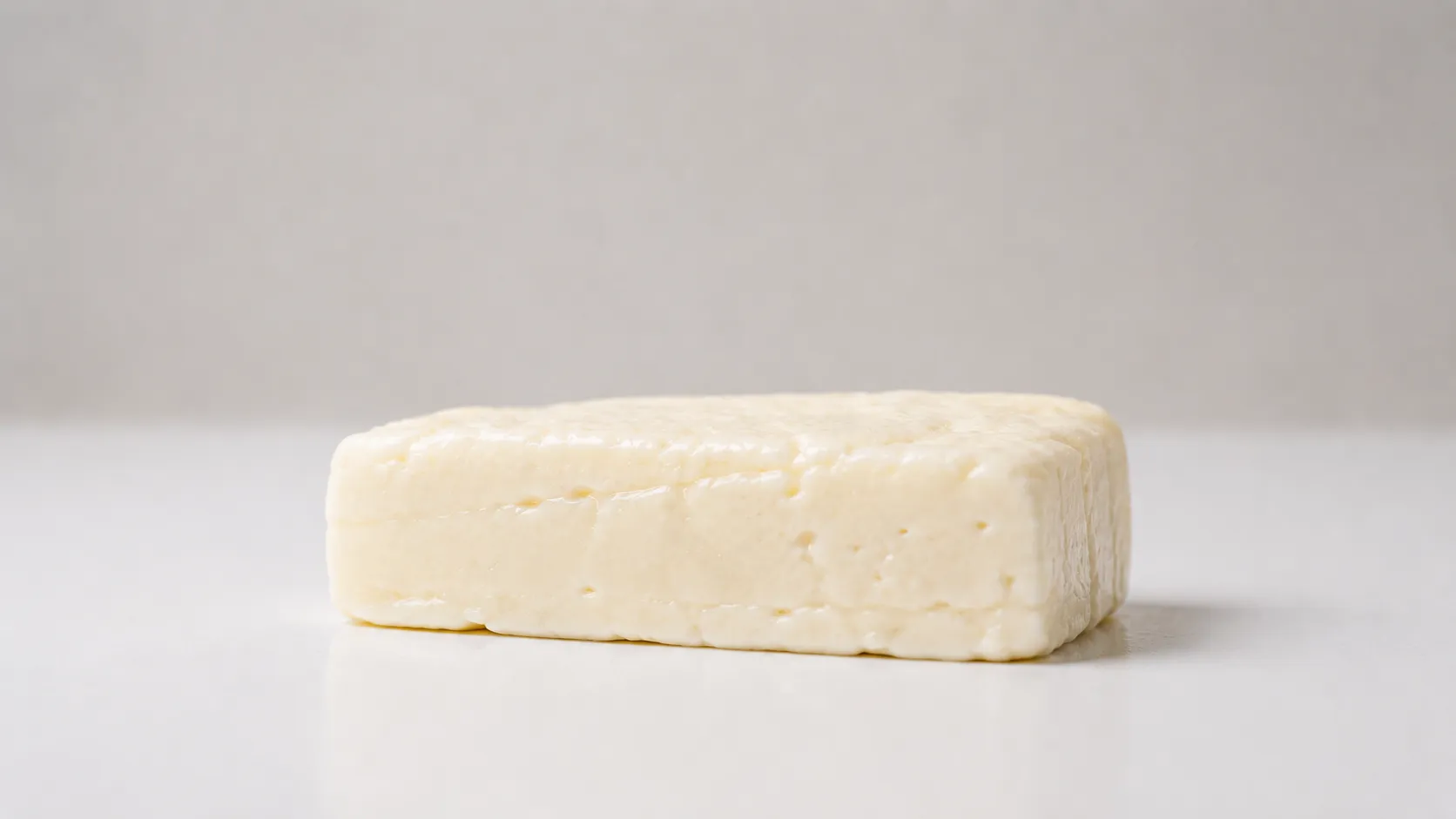
Halloumi is a moderate choking risk - cooked, it stays firm, dense, and rubbery, harder to manage than soft cheese.
Grate it raw through soft food, or cut cooked halloumi into thin strips, never firm cubes or chunks. See how to serve for age-by-age prep.
Allergens
Halloumi is made from milk, one of the nine most common food allergens, and milk allergy is one of the most common in babies. It's usually sheep's or goat's milk, which triggers the same allergy as cow's - so it isn't a safe swap for a baby with a cow's milk allergy.[1]
If your baby already tolerates dairy - yogurt, cheese, or milk in cooking - halloumi is covered by that.
If dairy is still untried, there's no reason to delay it. Offer it on its own the first time, earlier in the day and when you can watch baby for about two hours afterward, and watch for a reaction. Build up gradually if all's well.
If your baby has reacted to dairy before, talk to your pediatrician before offering cheese.
Food safety
Halloumi is one of the saltiest cheeses there is - a single ounce can use up most of a toddler's whole day's salt. It isn't an everyday food for a baby, and it's worth thinking of it as an occasional taste rather than a regular part of meals.[4]
If you do serve it, soak it first: cut it into small pieces, cover with water or milk for 30 minutes or so, then drain and rinse. Cutting it small before soaking pulls out more salt than soaking a whole block. Always cook it, keep the portion tiny, and don't serve it alongside other salty foods in the same meal.
How to serve
6+ months old
A little grated into soft food
Use halloumi as a flavour accent, not a serving. Soak it first to draw out some of the salt, then grate a small amount into hot food such as mashed vegetables or a grain bowl, where it softens as it melts in. Halloumi stays firm and squeaky when cooked, so it isn't a good finger food yet - keep it grated at this age. Keep the amount small, and don't add other salt to the dish.
How to prepare
Cut into small pieces and soak in fresh water or milk for 30 to 60 minutes to draw out salt, then drain. Grate it into hot food so it softens, or cook it and grate it once cooled. Skip cubes, chunks, and firm strips.
9+ months old
Thin strips or grated over soft food
Keep halloumi as a small flavouring. Soak it, cook it lightly, and offer very thin strips for the developing pincer grasp - halloumi stays firm and chewy rather than melting, so keep the strips thin and don't overcook them, which makes them tougher. Or grate a little over soft vegetables, grains, or pasta. Keep the amount small because of the salt, and skip any added salt or stock in the same dish.
How to prepare
Cut small and soak in fresh water or milk for 30 to 60 minutes, or boil briefly, to draw out salt. Grill or pan-fry lightly without added salt, then cut into very thin strips and let it cool. Avoid cubes and chunks.
12+ months old
Small amounts in thin strips or grated into family dishes
Keep halloumi as a flavouring in small amounts. Grate it or cut thin strips into family dishes like grain bowls, roasted vegetables, or wraps. It stays one of the saltiest cheeses there is, so a little goes a long way - keep an eye on the total salt across the day.
How to prepare
Soaking or boiling first still helps lower the salt. Grill or pan-fry and cut into thin strips, or grate into meals. Avoid cubes and chunks - cooked halloumi stays firm and chewy rather than softening.
Sources
- Food Allergies (the 9 major US allergens) - FDA
- When to Introduce Egg, Peanut Butter & Other Common Food Allergens - AAP HealthyChildren
- Milk - FARE
- Foods and Drinks to Avoid or Limit (honey, added sugar, salt) - CDC
- Listeria monocytogenes in Soft-Ripened Cheese - FDA
- When, What, and How to Introduce Solid Foods - CDC
- Halloumi, authentic Cyprus cheese (FDC 1990861) - USDA FoodData Central