 HeySolids
Choking risk
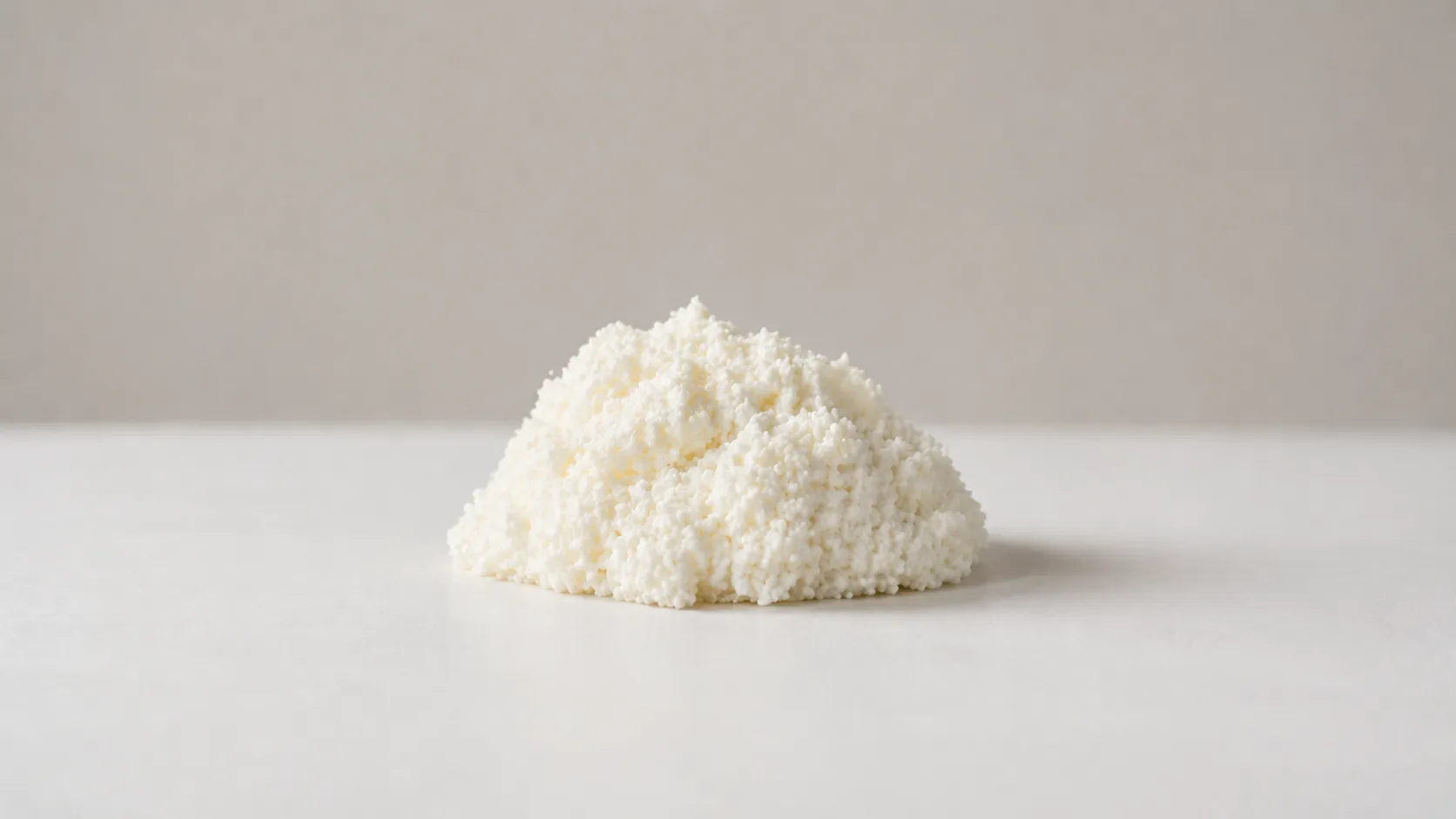
Fresh ricotta is a low choking risk - its soft, creamy texture is easy to spoon-feed or scoop.
When you stir ricotta into other foods, prep those carrier foods in an age-safe shape and texture too. See how to serve for age-by-age prep.
Allergens
Ricotta is made from cow's milk, a common food allergen, and cow's milk allergy is one of the most common in babies.[1]
Even so, plain full-fat ricotta is usually well tolerated, and introducing dairy early and keeping it in the diet lowers allergy risk. A baby with a known cow's milk allergy can still react, so check with your pediatrician first. Use only pasteurized ricotta, never any made from raw (unpasteurized) milk.[2][3][4]
Offer it on its own, start with a small amount, and watch for a reaction. Once your baby is comfortable with it, keep it in their regular diet.
If baby refuses
Ricotta is mild and usually well accepted. If it's refused on its own, stir in soft fruit like mashed banana or peach, dollop it into pancakes, or spread a thin layer on soft toast.
How to serve
6+ months old
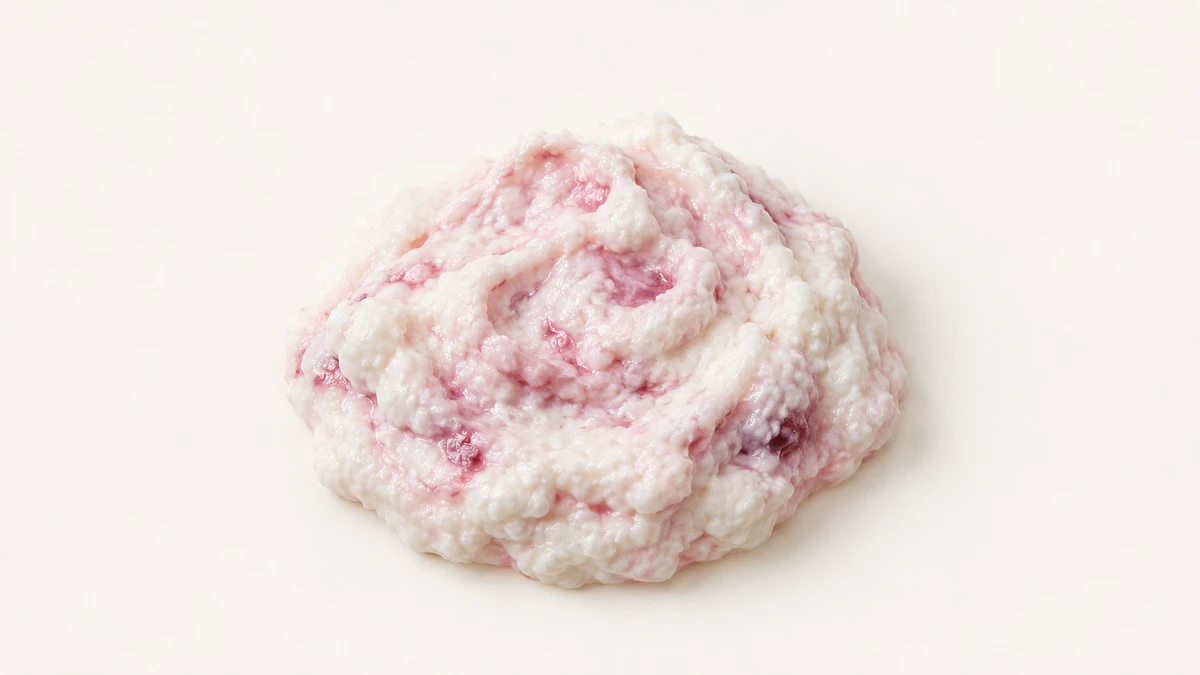
Thinned tahini stirred into soft food
About 1/4 teaspoon to start
Tahini is thick and a little sticky, so it's never served in a spoonful on its own - thin it or stir it into something soft. Loosen a small amount with warm water, breast milk, or formula, then mix it into oatmeal, yogurt, or a fruit or vegetable purée.
The first time: pick a moment earlier in the day when you can watch baby for about two hours. Stir a tiny amount - around 1/4 teaspoon - into a familiar food and offer a little, then wait about 10 minutes; if there's no reaction, give the rest as normal. Build up gradually over the next servings, and once tolerated, keep sesame in the diet a few times a week. Watch for a reaction. Don't rub tahini on baby's skin to test for allergy - it doesn't work and may raise the risk.
How to prepare
No cooking needed. Mix about 1 teaspoon of tahini with 2 to 3 teaspoons of warm liquid until smooth and loose, never a thick blob. Use smooth tahini, not whole sesame seeds, which are too small to chew and a choking risk.
12+ months old
Thinned as a dip, or thin on toast
A drizzle, a dip, or a thin spread
Tahini fits into family food now. Thin it into a smooth sauce for dipping vegetable sticks or soft finger foods, spread it thinly on toast fingers, drizzle it over roasted vegetables, or stir it into hummus and sauces. Keep it thinned or thinly spread rather than a thick blob, and go easy on salt in the dishes it goes into.
How to prepare
No cooking needed. Thin tahini with water, lemon, or a little of the dish's sauce for dipping and drizzling, or spread it thin. Whole sesame seeds can be sprinkled in cooking now, but keep them mixed into food rather than served loose by the spoonful.
Tips
- Whip it smooth with fruit for an instant pudding. A quick blend of ricotta with mashed berries, banana, or a little fruit purée turns it into a soft, spoonable dessert or dip - no cooking, and it softens the slightly grainy texture some babies notice at first.
- It's a stealth way to enrich meals. Ricotta stirs invisibly into scrambled eggs, pasta sauce, mashed vegetables, or oatmeal, adding protein, fat, and calcium without changing the flavour much - handy for bulking up a meal or for a baby who needs more calories.
- Check the tub - some are much saltier than others. Ricotta is naturally low in salt, but brands vary and some add quite a bit. Compare labels and pick a lower-salt, full-fat one, and skip the flavored or "light" versions, which can add salt, sugar, or lose the fat babies need.
Sources
- Food Allergies (the 9 major US allergens) - FDA
- Milk - FARE
- When to Introduce Egg, Peanut Butter & Other Common Food Allergens - AAP HealthyChildren
- The Dangers of Raw Milk (unpasteurized) - FDA
- When, What, and How to Introduce Solid Foods - CDC
- Cheese, ricotta, whole milk (FDC 173441) - USDA FoodData Central