 HeySolids
Choking risk
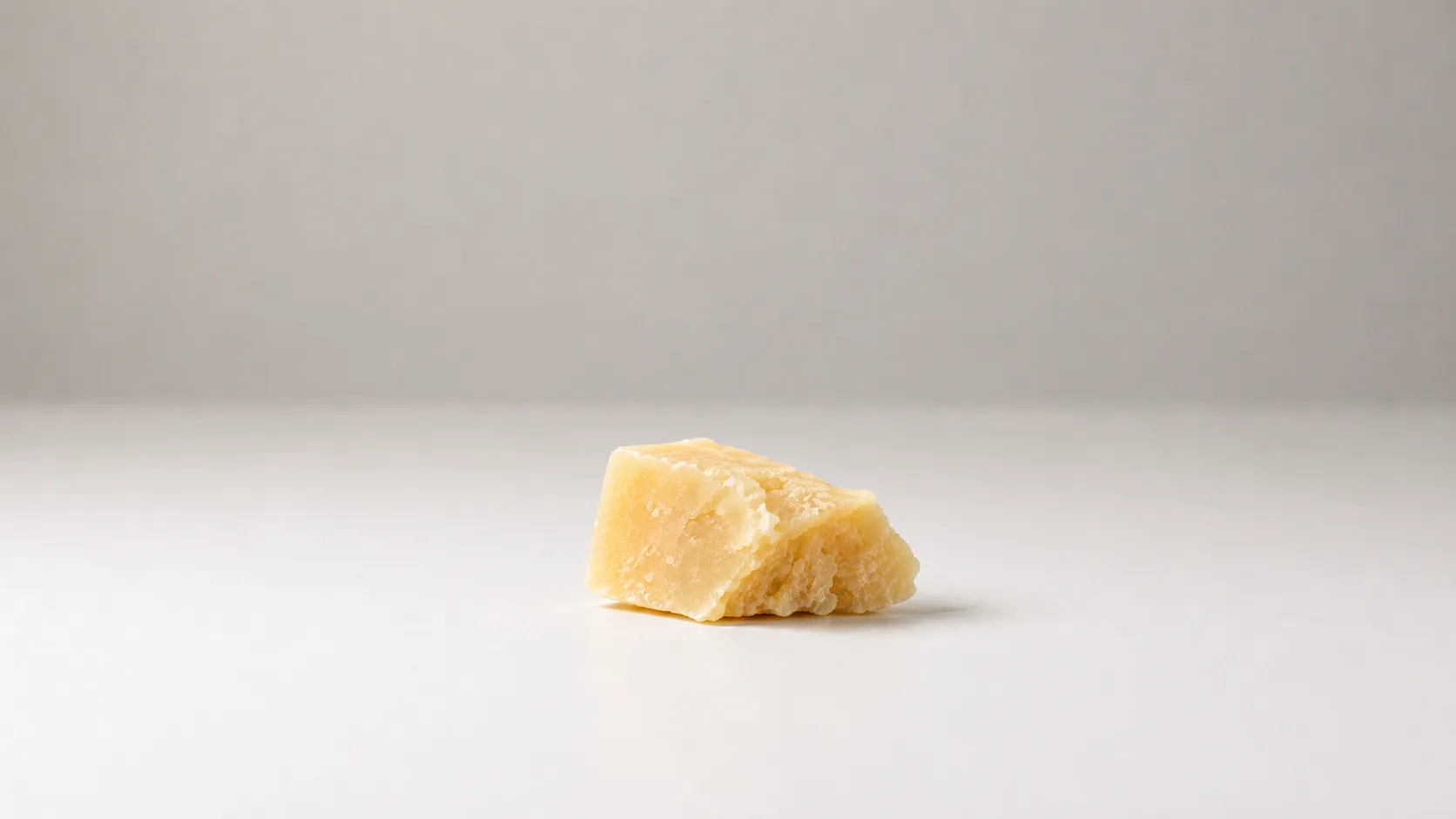
Hard cheese like parmesan is a moderate choking risk - firm cubes or shards can break off and block an airway.
Grate fine or shave very thin into a dish, never cubes or the rind. See how to serve for prep at each age.
Allergens
Parmesan is made from cow's milk, a common allergen and one of the most common allergies in babies.[1]
Introducing dairy early and keeping it up lowers allergy risk, though whole-milk yogurt or soft cheese is a gentler first taste. A baby with a known milk allergy can react, so check with your pediatrician.[2][3]
Offer it on its own, start with a small amount, and watch for a reaction. Once your baby is comfortable with it, keep it in their regular diet.
If baby refuses
Parmesan's strong savory taste usually adds appeal, not refusal. If baby pulls a face, use less and stir a little into a dish baby enjoys.
Food safety
Parmesan is one of the saltiest cheeses, so use it as a seasoning rather than a portion - a light grating adds plenty of flavour for very little salt, and keep the rest of the meal low-salt on parmesan days.
Choose pasteurised. Most parmesan-style cheeses sold in the US are, and the label will say - raw (unpasteurised) milk cheeses can carry listeria, E. coli, and salmonella, which are especially risky for young children.[8]
If a hard block grows a spot of mould, cut at least an inch around and below it - the rest is fine. That's for hard cheese only; mouldy soft cheese gets thrown out. Keep the block wrapped in the fridge, and skip the rind for baby - it's too hard.
How to serve
6+ months old
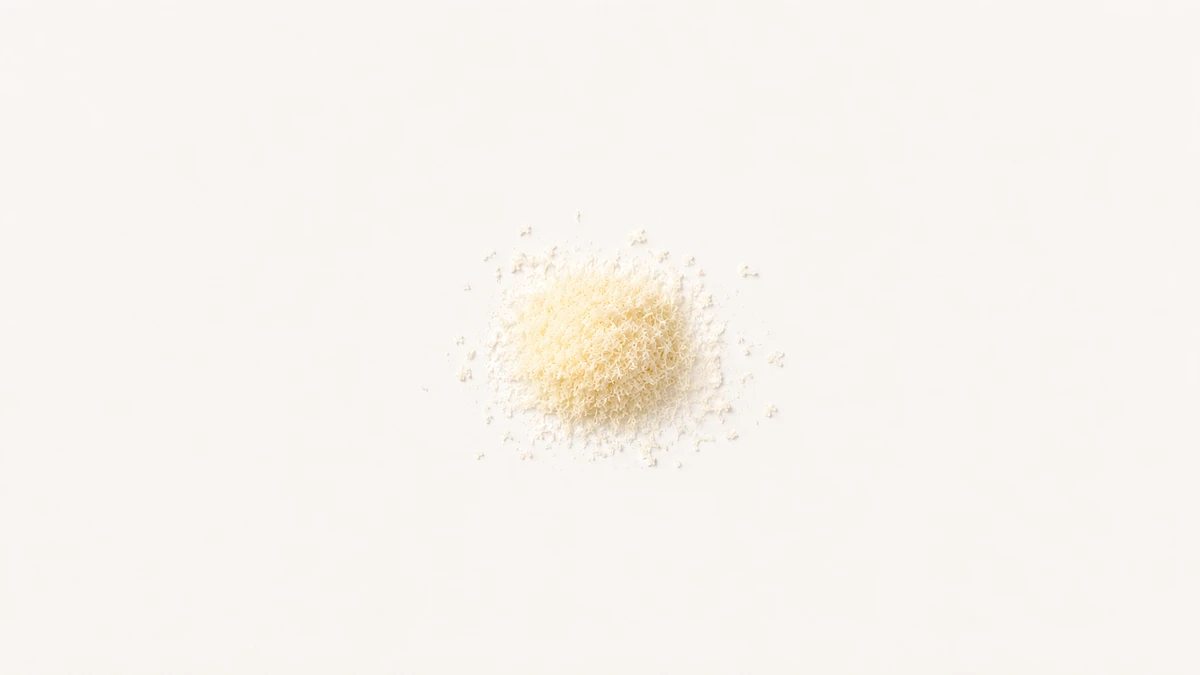
Finely grated over food
A light dusting, not a portion
Parmesan is a seasoning here, not a food on its own. Grate it fine over pasta, soft vegetables, scrambled egg, or a mash - a small dusting adds real savoury flavour. It melts into warm food, which suits babies who aren't chewing much yet. Keep it light: parmesan is salty, and babies need very little salt.
How to prepare
No cooking needed. Grate it as fine as you can, so it disappears into the food rather than sitting in clumps. Skip pre-grated shakers where you can - they're often saltier and drier.
12+ months old
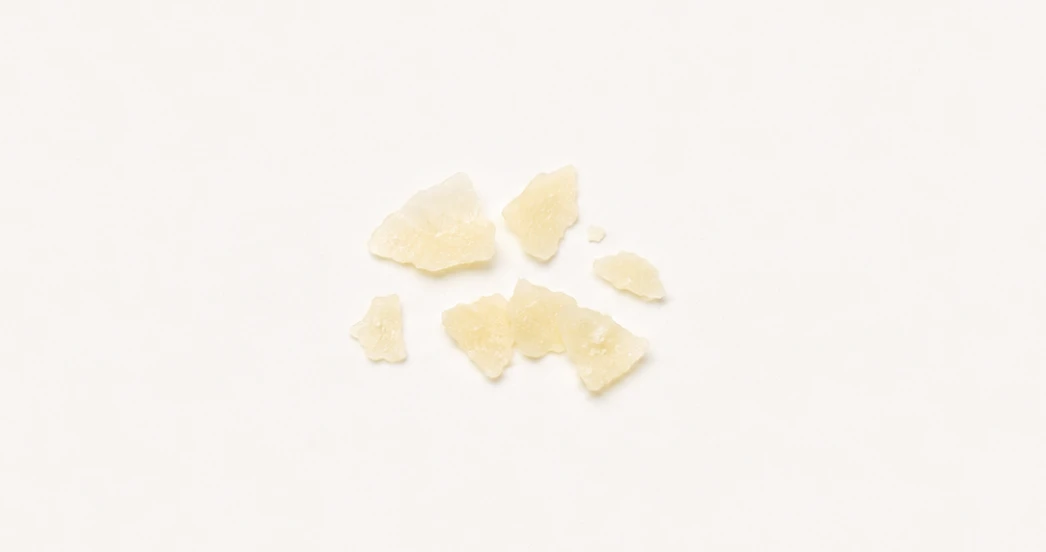
Grated or shaved
Still a topping, now with more texture
Keep grating parmesan over pasta, risotto, soups, and roasted vegetables. Thin shavings work now too - they're soft enough to break down and give a bit more texture to explore.
Hard chunks are still too much at this age, so keep it to gratings and shavings. Let parmesan do the seasoning so you don't need to add salt.
How to prepare
Grate or shave with a peeler. A parmesan rind simmered in soup or sauce adds depth - take it out before serving, since it's far too hard to eat.
24+ months old
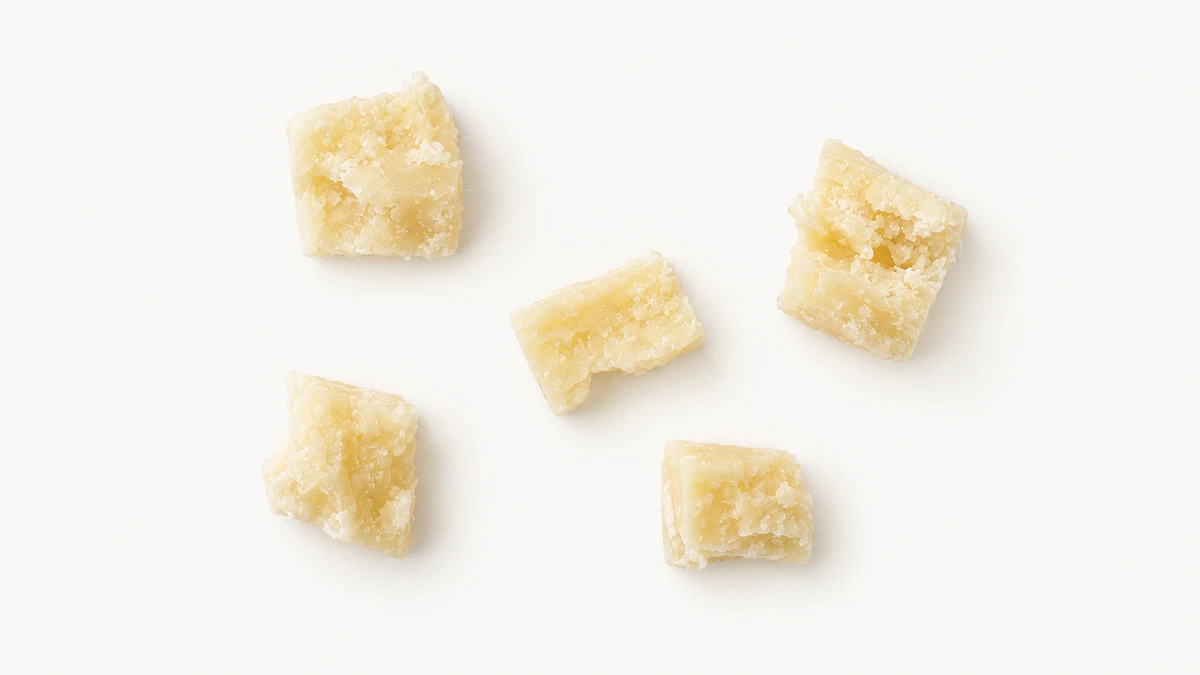
Small pieces
Bite-sized chunks, once chewing is confident
Small pieces of parmesan work as a snack now that molars and chewing can handle a hard, brittle cheese. Keep the portions small - parmesan is one of the saltiest cheeses, so it's a flavour hit rather than a serving. Grated and shaved are still the everyday ways to use it.
How to prepare
Cut into small bite-sized pieces, or keep grating and shaving over food. Still no rind.
Sources
- Food Allergies (the 9 major US allergens) - FDA
- When to Introduce Egg, Peanut Butter & Other Common Food Allergens - AAP HealthyChildren
- Milk - FARE
- Foods and Drinks to Avoid or Limit (honey, added sugar, salt) - CDC
- Dietary Guidelines for Americans 2020-2025 (birth-24 months: no added sugar/salt under 2) - USDA/HHS (PDF)
- Listeria monocytogenes in Soft-Ripened Cheese - FDA (PDF)
- Cheese, parmesan, grated (FDC 171247) - USDA FoodData Central
- Raw milk danger (FDA)