 HeySolids
Choking risk
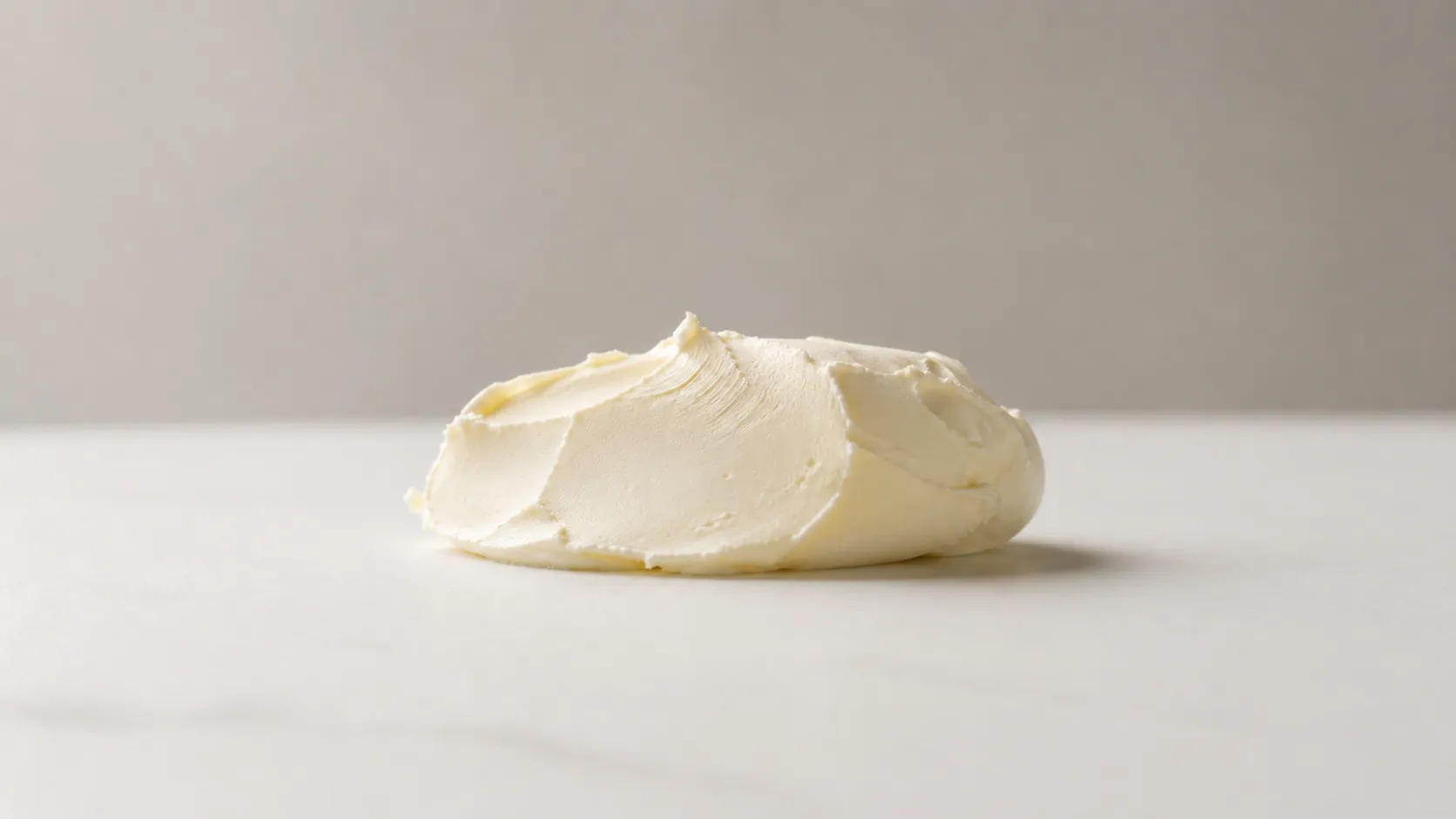
Cream cheese is a low choking risk - it is soft and spreadable, easy to move in the mouth.
Spread it thin, not in a thick spoonful, and make sure what it goes on is soft and cut into a safe shape. See how to serve for prep by age.
Allergens
Cream cheese is made from cow's milk, a common allergen and one of the most common allergies in babies.[1]
If your baby already tolerates dairy - yogurt, cheese, or milk in cooking - cream cheese is covered by that and can go straight into the rotation.
If dairy is still untried, introduce it the usual way: offer it on its own, start with a small amount, and watch for a reaction. Once your baby is comfortable with it, keep it in their regular diet.
If your baby has had a reaction to dairy before, or has severe eczema or another food allergy, talk to your pediatrician before introducing it.
Use only pasteurized cream cheese, never raw (unpasteurized) milk.[2][3]
If baby refuses
Often it's the texture, not the taste - plain cream cheese is sticky on its own. Mix in a smooth fruit or vegetable puree to loosen it, stir a little into a food baby already likes, or let it come to room temperature first, since it's softer and milder that way than straight from the fridge.
Food safety
Cream cheese is one of the lower-salt cheeses, though the amount varies by brand - check the label, and choose plain, full-fat versions over flavored or light ones.
It's pasteurized and not mold-ripened, so it's fine straight from the tub. Soft mold-ripened cheeses are a different story - brie, camembert, and soft blue cheeses carry a higher listeria risk, so avoid those for babies and young children unless they're cooked until steaming hot, which kills listeria.[5]
Keep it refrigerated, don't leave the tub out for more than a couple of hours, and use it within the date on the label once opened.
How to serve
6+ months old
Thin spread on soft strips
Spread a thin layer of plain, pasteurized, full-fat cream cheese on a soft toast strip, a strip of soft cooked vegetable, or a teething wafer for baby to pick up. You can also stir a little into mashed vegetables, oatmeal, or scrambled eggs. Keep the layer thin - a thick clump of cream cheese is sticky and hard to move around the mouth, the same way a spoonful of nut butter is.
9+ months old
Thin spread or dip
By now most babies are working on picking up smaller pieces, so cream cheese can move beyond the spoon: spread a thin layer on small bites of toast, or put a spoonful on the tray with strips of soft cooked vegetable or ripe fruit for dipping. It also stirs easily into mashed vegetables, oatmeal, scrambled eggs, or pasta. Thin layers still beat thick clumps - it's sticky stuff.
12+ months old
Spread, dip, or stirred into dishes
Spread it on toast, soft crackers, or thin pancakes. Stir it into family dishes like pasta sauce or mashed potato to make them creamier, or thin it with a little plain yogurt for a dip to serve with soft vegetables. Thin layers are still the way to go.
Sources
- Food Allergies (the 9 major US allergens) - FDA
- Milk - FARE
- The Dangers of Raw Milk (unpasteurized) - FDA
- Foods and Drinks to Avoid or Limit (honey, added sugar, salt) - CDC
- Listeria monocytogenes in Soft-Ripened Cheese - FDA
- When, What, and How to Introduce Solid Foods - CDC
- Cream cheese (FDC 173418) - USDA FoodData Central