 HeySolids
Choking risk
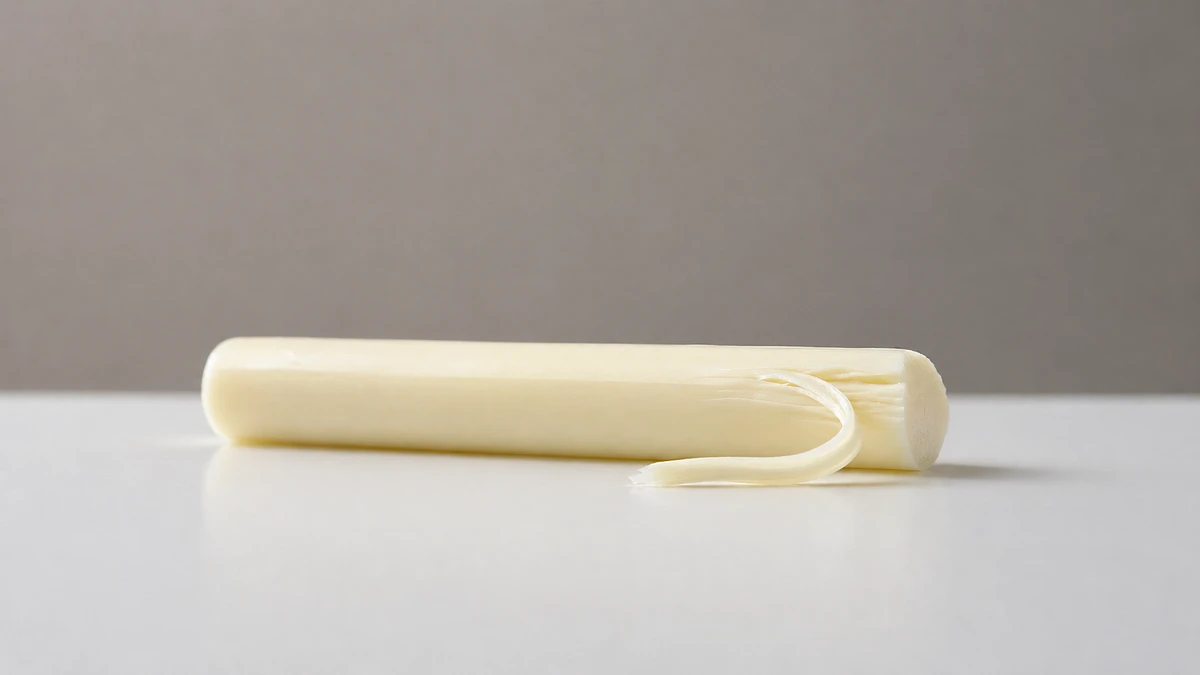
A whole stick is a high choking risk - firm, springy, and the same risky shape as a hot dog.
Pull it into thin strings, or cut it lengthwise into thin strips, and never serve it whole or in coins. See how to serve for how to prep it by age.
Allergens
String cheese is made from cow's milk, one of the most common allergens in babies.[1]
By 12 months most babies have already had dairy - yogurt, cheese, or milk in cooking - and string cheese is covered by that. If dairy is somehow still untried, introduce it the usual way: on its own, early in the day, starting with a small amount, and watch for a reaction. Call 911 for trouble breathing, swelling of the lips or tongue, or if baby becomes pale or floppy.
If your baby has reacted to dairy before, or has severe eczema or another food allergy, talk to your pediatrician before introducing it.
Food safety
String cheese is one of the saltier cheeses, so it works better as an occasional snack than a daily one - and keep the rest of the meal low-salt when it's on the plate. Check the label: salt varies quite a bit between brands, and some are lower than others.
Choose pasteurised. Nearly every string cheese sold in US supermarkets is, and the label will say - raw-milk cheeses can carry listeria, E. coli, and salmonella, which are especially risky for young children.
Keep it refrigerated and don't leave a stick out of the fridge for more than a couple of hours - it's a fresh cheese, not a hard one, so it doesn't sit well at room temperature. Once opened, use it that day.[7]
How to serve
12+ months old

Thin pulled strands
Strands no thicker than a pinky finger
Pull the stick into thin strands before serving - never round slices or cubes, which are the worst possible shape.
Show your toddler how to pull it: do it yourself first so they copy the pulling rather than biting chunks off the stick. Strands can be served long for biting and tearing practice, or cut into short pieces from the pulled strands.
Keep the portion small - string cheese is salty.
How to prepare
No cooking needed. Peel the stick lengthwise into thin strands. Don't cut it into rounds, and don't hand over a whole stick to bite from.
Sources
- Food Allergies (the 9 major US allergens) - FDA
- Milk - FARE
- The Dangers of Raw Milk (unpasteurized) - FDA
- Foods and Drinks to Avoid or Limit (honey, added sugar, salt) - CDC
- Dietary Guidelines for Americans 2020-2025 (birth-24 months: no added sugar/salt under 2) - USDA/HHS
- When, What, and How to Introduce Solid Foods - CDC
- Cheese, mozzarella, low moisture, part-skim (FDC 170845) - USDA FoodData Central