 HeySolids
Choking risk
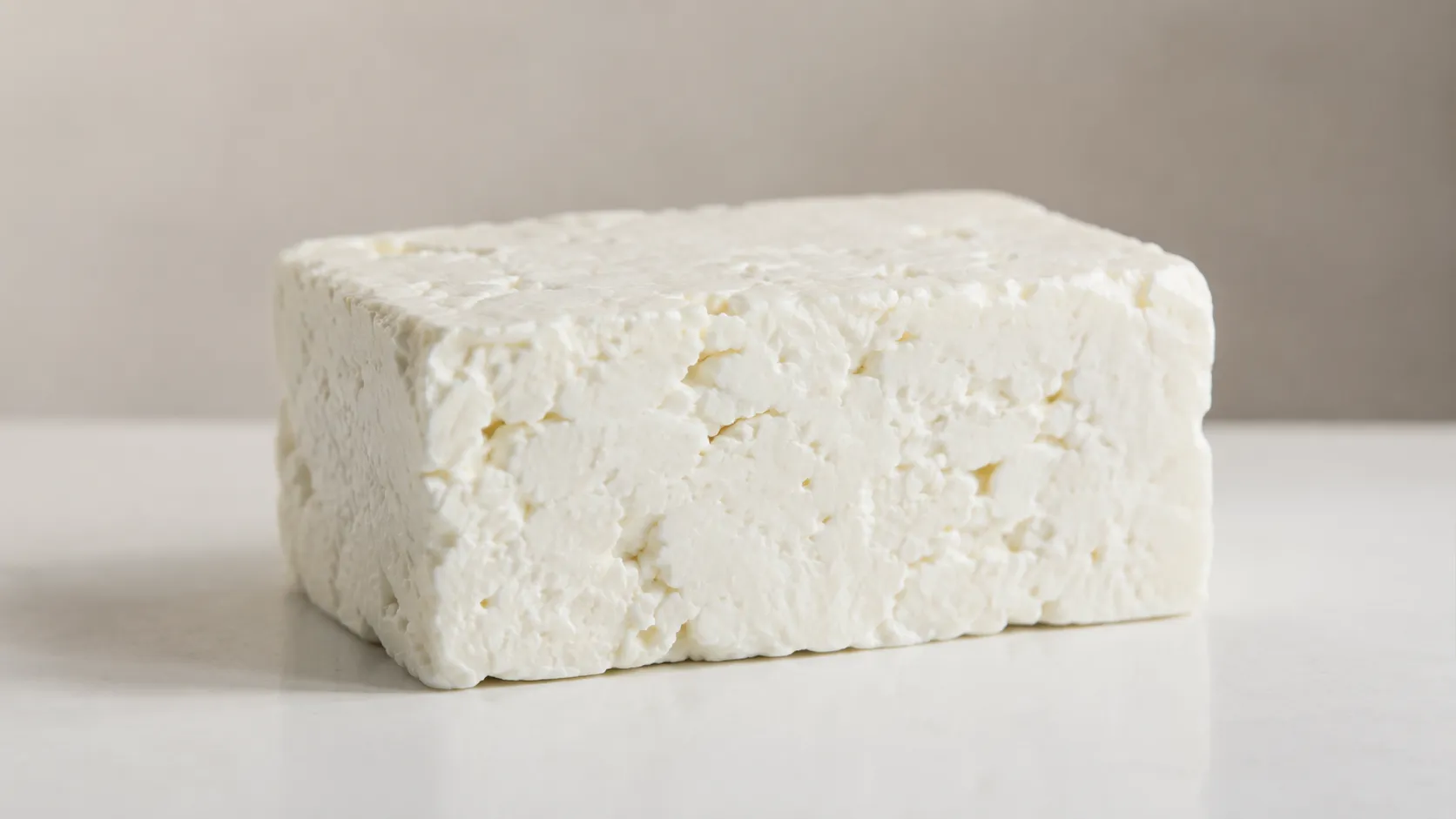
Feta is a low choking risk - it is soft and crumbly, and a small crumble breaks down easily in the mouth.
Crumble it finely and stir it through soft food, not as firm cubes or chunks. See how to serve for age-by-age prep.
Allergens
Feta is made from milk, a common food allergen and one of the most common allergies in babies. It is usually sheep's or goat's milk, which triggers the same allergy as cow's.[1]
If your baby already tolerates dairy - yogurt, cheese, or milk in cooking - feta is covered by that and can go straight into the rotation.
If dairy is still untried, introduce it the usual way: offer it on its own, start with a small amount, and watch for a reaction. Once your baby is comfortable with it, keep it in their regular diet.
If your baby has had a reaction to dairy before, or has severe eczema or another food allergy, talk to your pediatrician before introducing it.
If baby refuses
Feta's tangy, savory taste usually goes down well. If baby pulls a face, use a little less, or crumble it into scrambled egg, mashed vegetables, or plain pasta so it blends in.
Food safety
Check the label says pasteurized - feta is sometimes made from unpasteurized milk, which can carry Listeria and isn't safe for babies.[5]
Feta is also high in salt, so treat it as an occasional flavour, not an everyday cheese. A brief rinse under cold water washes off some surface salt; crumble it finely into moist foods like mashed vegetables, grains, or pasta, use a small amount, and don't pair it with other salty foods in the same meal. No added salt in the first 12 months, kept low after that.
How to serve
6+ months old
A small crumble stirred into soft food
A tiny crumble of feta
Use feta as a flavor accent, not a serving. Crumble a tiny amount finely and stir it through soft food such as mashed vegetables, a grain dish, or scrambled egg. Because feta is very salty, keep the amount small and don't add other salt to the dish. Use pasteurized feta.
How to prepare
No cooking needed. Rinse or soak the feta in fresh water first to reduce the salt, then crumble it finely and stir it into a soft dish. Skip firm cubes or chunks at this stage.
12+ months old
Small amounts crumbled into family dishes
Keep using feta as a flavoring in small amounts - crumble a little through family dishes like pasta, grains, or roasted vegetables. A nice option now is whipped feta: blend it with plain yogurt into a soft dip for vegetable sticks or toast, which softens the texture and tones down the salt. It stays one of the saltiest cheeses, so a little goes a long way - keep an eye on the total salt across the day.
How to prepare
No cooking needed. Crumble or blend into meals, rinsing or soaking the feta first to lower the salt. Skip cheese cubes and large chunks, which are a choking risk.
Sources
- Food Allergies (the 9 major US allergens) - FDA
- When to Introduce Egg, Peanut Butter & Other Common Food Allergens - AAP HealthyChildren
- Milk - FARE
- Foods and Drinks to Avoid or Limit (honey, added sugar, salt) - CDC
- Listeria monocytogenes in Soft-Ripened Cheese - FDA
- When, What, and How to Introduce Solid Foods - CDC
- Cheese, feta (FDC 173420) - USDA FoodData Central