 HeySolids
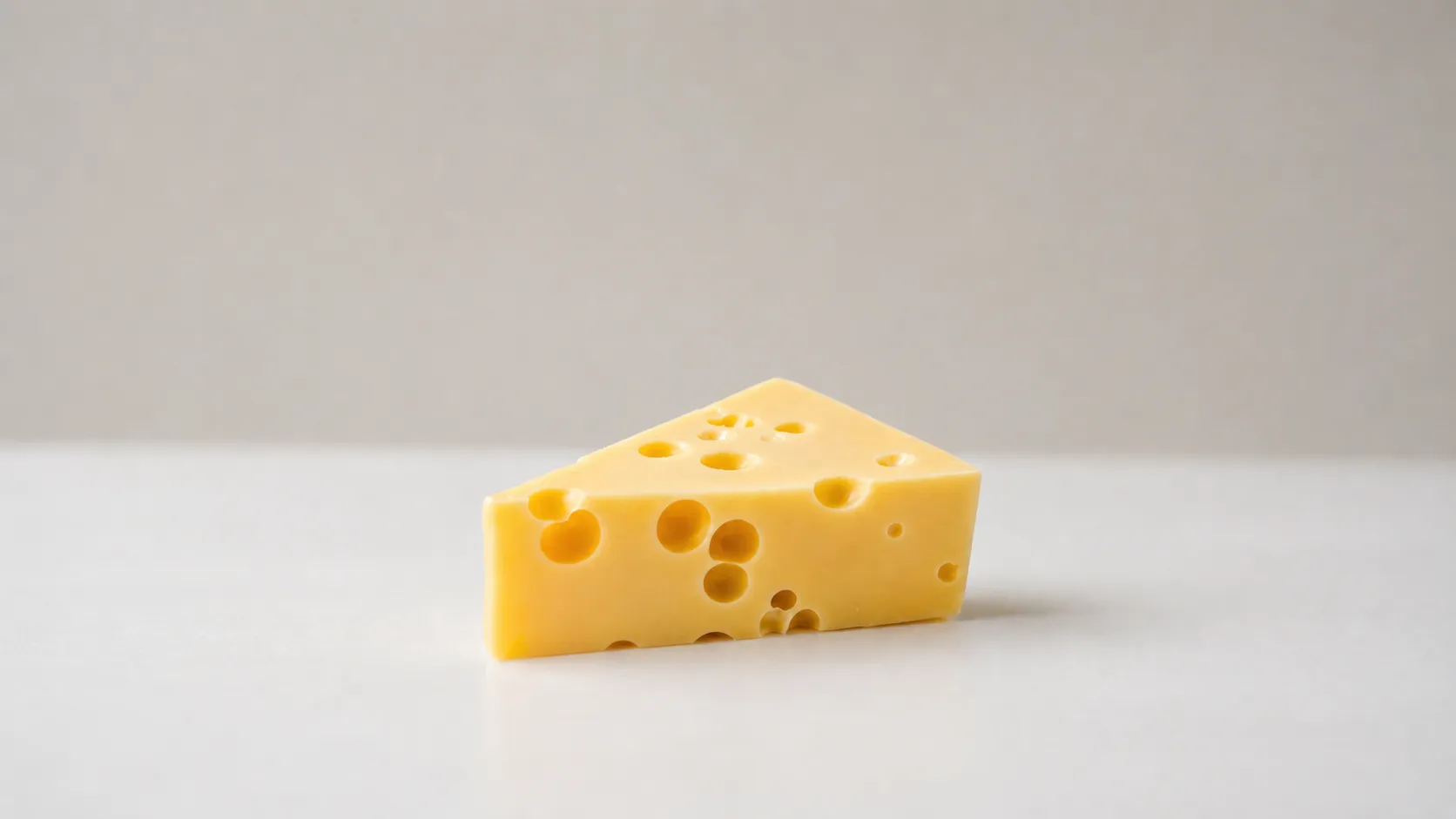
Choking risk
Swiss cheese is a moderate choking risk - it is firm and dense, so cubes or chunks can lodge in the throat.
Grate it or cut thin strips, never cubes or chunks, and keep melted layers thin. See how to serve for age-by-age prep.
Allergens
Swiss cheese is made from cow's milk, one of the nine most common food allergens, and cow's milk allergy is one of the most common in babies.
If your baby already tolerates dairy - yogurt, cheese, or milk in cooking - Swiss cheese is covered by that and can go straight into the rotation.[2]
If dairy is still untried, there's no reason to delay it. Offer it on its own the first time, earlier in the day and when you can watch baby for about two hours afterward.
Start with a small taste, watch for a reaction and build up gradually if all's well. Once baby is comfortable with it, keep dairy in the diet regularly.
If your baby has reacted to dairy before, talk to your pediatrician before offering cheese - a cow's milk allergy means cheese is off the menu too, and cheeses made from goat's or sheep's milk aren't a safe swap.[3]
If baby refuses
Swiss cheese's mild, nutty flavor is usually easy to like. If the holey texture puts baby off, grate it over warm pasta or vegetables so it melts, or fold it into egg.
Food safety
Check the label says pasteurized. Some Swiss and Emmental is made from raw milk, which isn't safe for babies. [7]
Swiss is one of the lowest-salt cheeses you can buy - around a third the sodium of cheddar - so it's a sensible choice. It's still cheese, though, so keep portions small and don't serve it alongside other salty foods in the same meal. No added salt in the first 12 months, kept low after that.
Avoid the processed "Swiss-style" slices. They carry many times the salt of the real thing.
How to serve
6+ months old
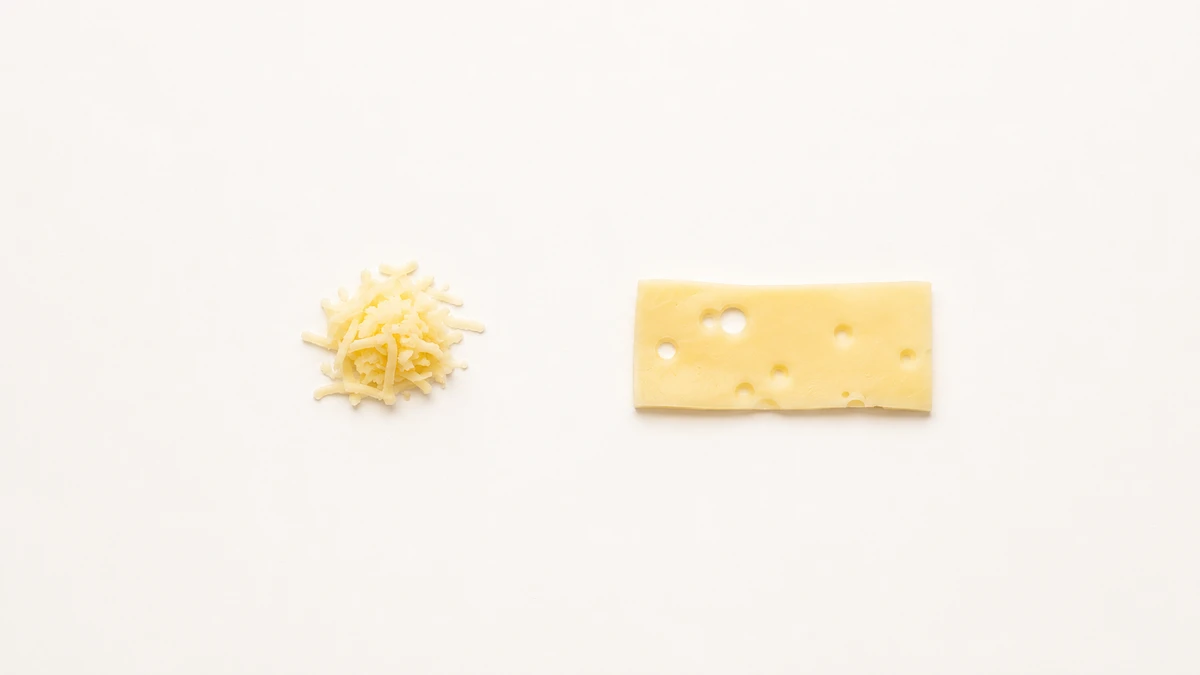
Finely grated, or a long thin strip
A small sprinkle of grated cheese, or a strip about finger length
Start with pasteurized, full-fat Swiss in small amounts. Finely grate it over a soft food like mashed vegetables or scrambled egg, or cut a long thin strip baby can hold and chew on.
How to prepare
No cooking needed. Grate finely, or melt a thin layer into scrambled egg, mashed vegetables, or a smooth sauce. Let melted cheese cool a little before serving.
12+ months old
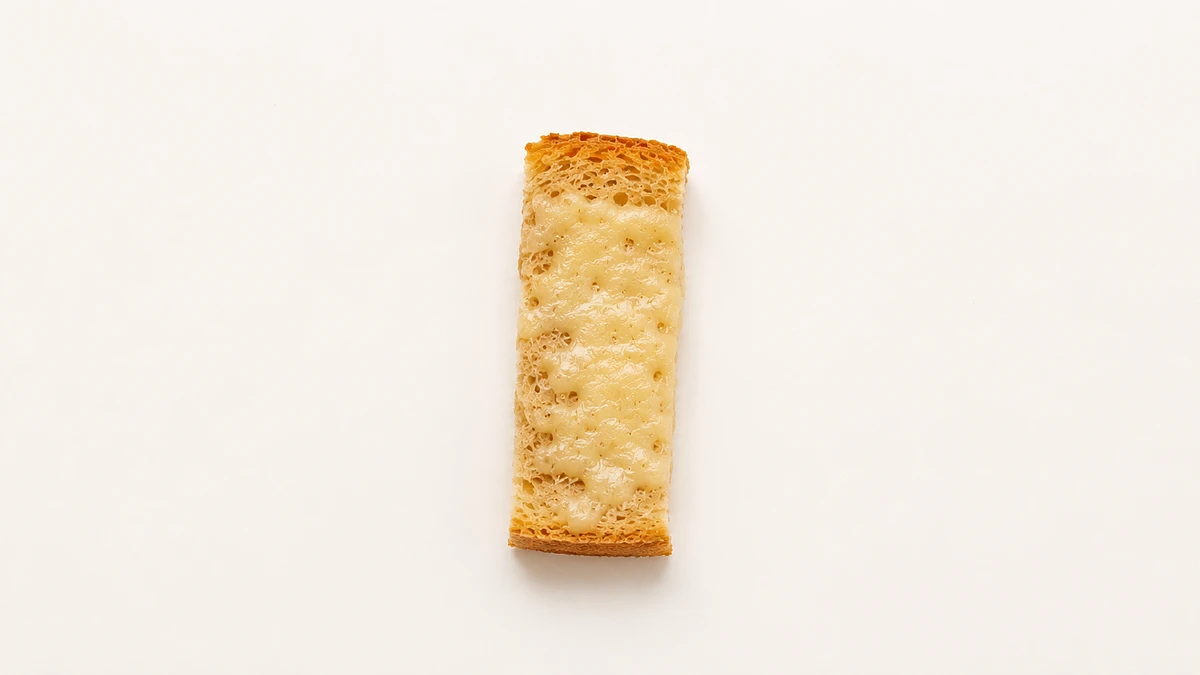
Grated, thin strips, or melted into dishes
A small portion, grated or in thin strips
Serve Swiss cheese grated or in thin strips your toddler can pick up and bite. Slices work too, torn or cut into strips rather than handed over whole. You can also melt a thin layer over toast, vegetables, or beans, or stir it into family dishes.
How to prepare
No cooking needed. Grate, cut into thin strips, or melt a thin layer into family dishes. Make sure melted cheese isn't too hot, and hasn't cooled into firm rubbery clumps.
Sources
- Food Allergies (the 9 major US allergens) - FDA
- When to Introduce Egg, Peanut Butter & Other Common Food Allergens - AAP HealthyChildren
- Milk - FARE
- Foods and Drinks to Avoid or Limit (honey, added sugar, salt) - CDC
- The Dangers of Raw Milk (unpasteurized) - FDA
- When, What, and How to Introduce Solid Foods - CDC
- Cheese, swiss (FDC 171251) - USDA FoodData Central