 HeySolids
Choking risk
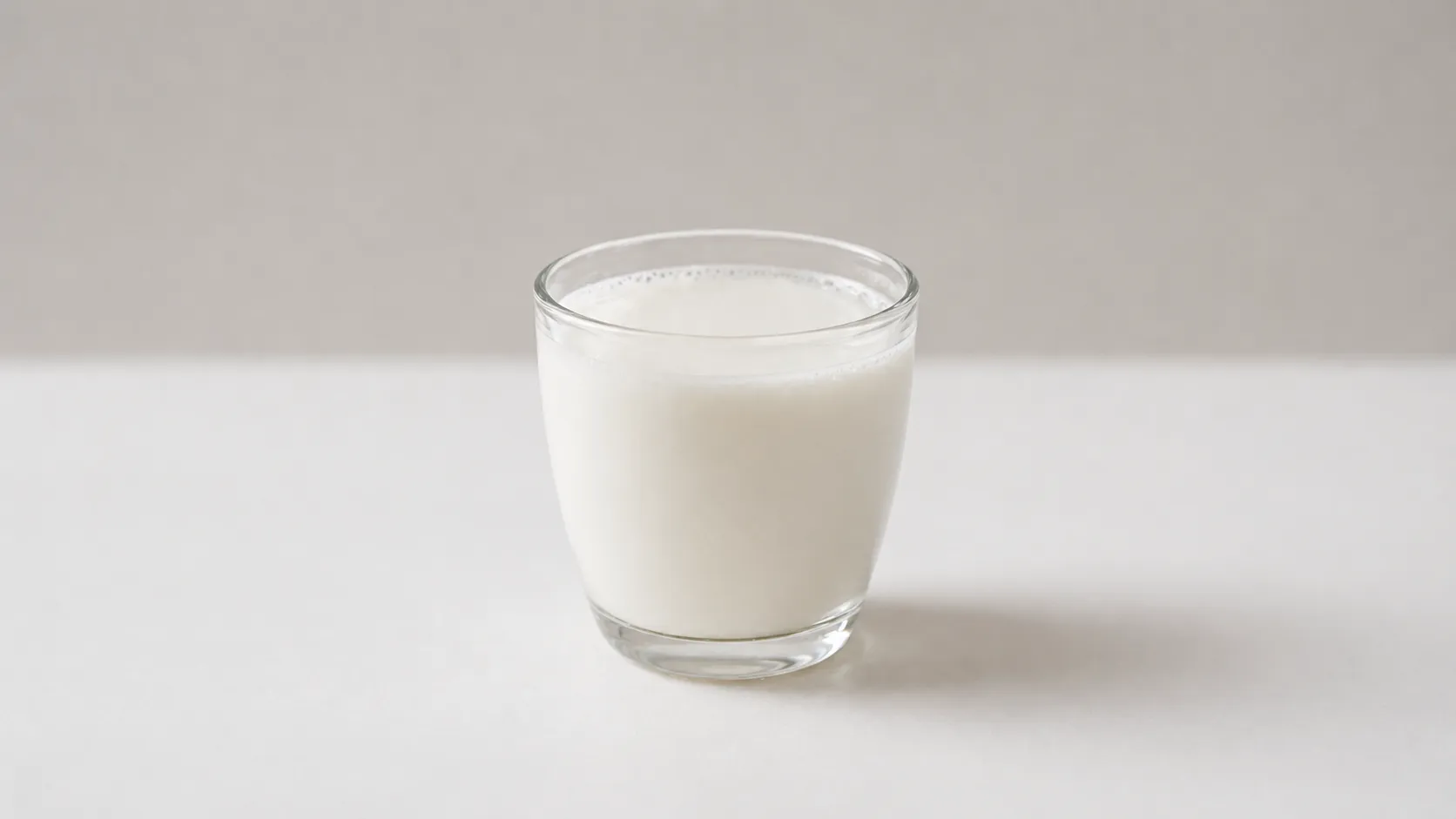
Plain kefir is a low choking risk - it's thin and pourable, so it's easy to swallow. Serve it on a pre-loaded spoon, stirred into food, or in an open cup.
If you add anything, keep it to smooth purées or soft mashed fruit - no whole nuts, hard chunks, or anything firm stirred in. See how to serve for age-by-age prep.
Allergens
Milk kefir is made from cow's milk, one of the nine most common food allergens, and cow's milk allergy is one of the most common in babies.[1]
If your baby already tolerates dairy - yogurt, cheese, or milk in cooking - kefir is covered by that and can go straight in.
If dairy is still untried, there's no reason to delay it. Offer plain full-fat kefir on its own the first time, earlier in the day so you can keep an eye on baby afterward, and watch for a reaction. Build up gradually if all's well.
If your baby has reacted to dairy before, talk to your pediatrician before offering kefir - a cow's milk allergy means kefir is off the menu too, and goat's or sheep's milk kefir isn't a safe swap.[2]
Always use pasteurized kefir, never any made from raw (unpasteurized) milk.[3]
Food safety
Use pasteurized kefir, never any made from raw milk. Choose plain, unsweetened kefir - flavoured kefirs can be high in sugar, and never one sweetened with honey, which isn't safe before 12 months. Kefir is cow's-milk-based, so like cow's milk it's fine in food and small amounts from 6 months, but not a main drink until 12 months.
Fermentation leaves a trace of alcohol in kefir, usually more in homemade - for a baby, choose a store-bought kefir labelled alcohol-free, or keep homemade kefir to small amounts stirred into food.
If baby refuses
Kefir's tangy, fizzy taste can surprise a baby at first. Blend it with smooth fruit puree like mango or banana, or stir it through warm oatmeal where the flavor mellows. Full-fat kefir is creamier and often goes down more easily than low-fat.
How to serve
6+ months old
A small amount, spoon-fed or stirred in
A teaspoon or two, on a pre-loaded spoon or mixed into food
From 6 months, plain kefir works stirred into food or given in small amounts - mix a spoonful into oatmeal, blend it into a fruit purée, or use it in place of some of the milk in a soft dish. Offer it from a pre-loaded spoon, or a few sips from an open cup. Use plain, full-fat, unsweetened kefir. It's fine in food and small amounts now, but like cow's milk it shouldn't be a main drink until 12 months - before then, breast milk or formula is what your baby needs to drink.
How to prepare
No cooking needed. Stir plain kefir into soft food, blend it into purées or smoothies, or offer a little on a spoon. Choose pasteurized, plain, full-fat kefir, and if you add fruit, keep it to smooth purée or soft mashed fruit - nothing firm stirred in.
12+ months old
As a drink or stirred into food
In a cup, or mixed into meals
From 12 months, kefir can be a drink as well as a food - offer it in an open or straw cup, blend it into smoothies, pour it over fruit, or stir it into oatmeal and soft dishes. Keep it to a small serving, around 4 oz (1/2 cup), and count it as part of your toddler's daily dairy alongside milk, yogurt, and cheese rather than on top - too much dairy can crowd out iron-rich food. Choose plain, full-fat, unsweetened kefir, and sweeten it with mashed fruit rather than buying flavoured kinds.
How to prepare
No cooking needed. Serve plain kefir in a cup, blend into smoothies, or stir through food. Plain and full-fat is best; add fruit for sweetness rather than sugar.
Sources
- Food Allergies (the 9 major US allergens) - FDA
- Milk - FARE
- The Dangers of Raw Milk (unpasteurized) - FDA
- Cow's Milk and Milk Alternatives (whole milk as a drink at 12 mo) - CDC
- Foods and Drinks to Avoid or Limit (honey, added sugar, salt) - CDC
- Kefir, plain, whole milk (FDC 2388832) - USDA FoodData Central