 HeySolids
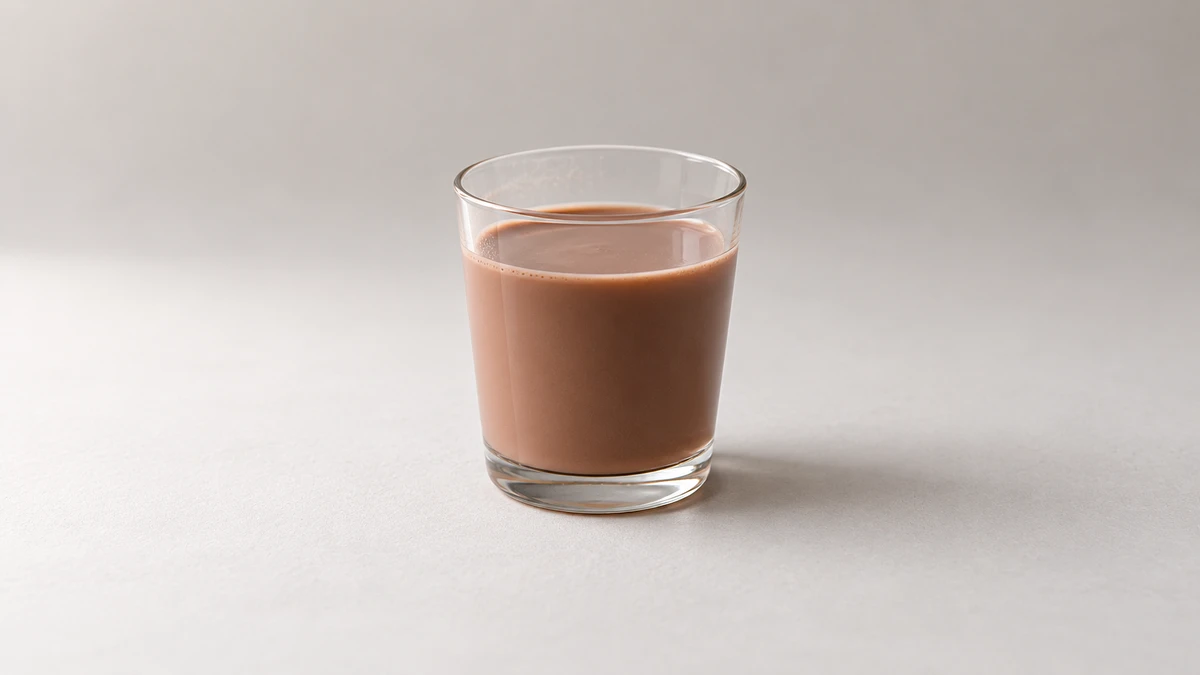
Can babies have chocolate milk?
Not before 12 months, because cow’s milk isn’t a drink until then. And ideally not before age 2, because chocolate milk is plain milk with added sugar. A cup has roughly twice the sugar of plain milk, and children under 2 shouldn’t have added sugar.[1][3] The AAP says children aged 2 to 5 should avoid flavored milk too, because once they’ve had the sweet version, plain milk is a harder sell.[2]
Milkshakes and hot chocolate have the same problem, plus a few more. A milkshake adds ice cream. Hot chocolate can scald, and marshmallows on top are a choking hazard. Chocolate also contains a little caffeine, and the AAP says young children don’t need any.[2][5]
From 12 months, a toddler needs water and about 16 oz of plain whole milk a day, in an open cup or a straw cup. Never put flavoring powder in a bottle.[1][4]
Choking risk
Chocolate milk is a thin liquid, so it is a low choking risk - the things to watch are the marshmallows floating on hot chocolate, which the CDC and AAP list as choking hazards, and the temperature of a hot drink.
Plain whole milk in an open or straw cup from 12 months is the drink to practice with. See how to serve for what applies at each age.
Allergens
Chocolate milk is milk, one of the nine major food allergens, and a child with a cow's milk allergy reacts to it just as they would to plain milk.[6]
The chocolate side adds more: most chocolate syrups and powders contain soy lecithin, many carry "may contain" warnings for nuts, and hot chocolate mixes often include milk powder even when made with a plant milk. Read the label if any of those matter.[7]
Food safety
Sugar is the main reason to wait. A cup of chocolate milk has the sugar that’s naturally in milk plus a few teaspoons of added sugar, and children under 2 shouldn’t have any added sugar. The CDC says milk for young children should be unflavored and unsweetened.[1][8] Sweet drinks sipped through the day are also the habit most linked to early tooth decay.[2]
Caffeine is the second reason. Cocoa contains a small amount, and the AAP advises avoiding drinks with caffeine entirely before age 5. A cup of chocolate milk has only a trace, and a mug of strong hot chocolate has more. Neither is needed.[2]
Hot chocolate can also scald. Let it cool to lukewarm before a small child gets near it, and skip the marshmallows until age 4.[5]
How to serve
Up to 2 years old
No chocolate milk - plain milk from 12 months
Hold off on chocolate milk, milkshakes and hot chocolate until age 2. Before 12 months, breast milk or formula is the only milk drink. From 12 months, offer plain whole milk in an open cup or straw cup, around 16 oz a day, plus water. Never put chocolate or flavoring powder in a bottle.
If you want the flavor
Whisk a little plain unsweetened cocoa into warm milk for a chocolatey drink with no added sugar. At a teaspoon per cup, the caffeine is only a trace.
It’s also fine to skip it altogether: a toddler isn’t missing out on chocolate milk.
2+ years old
An occasional cup, not the daily milk
From age 2, an occasional cup of chocolate milk is fine as a treat. Serve it with a meal, in a cup, and not as the everyday milk. The AAP still advises against flavored milk from 2 to 5 because it pushes out plain milk, so keep plain milk as the default at home. Treat a milkshake as dessert, and serve hot chocolate lukewarm and without marshmallows until age 4.
How to serve
Make it at home with unsweetened cocoa and a little less sugar than a bought one - a bottled chocolate milk can run 10 grams of added sugar a cup, most of a small child's daily budget in one drink.
Sources
- Cow's Milk and Milk Alternatives (whole milk as a drink at 12 mo) - CDC
- Recommended Drinks for Children Age 5 & Younger - AAP HealthyChildren
- Milk, chocolate, fluid, commercial, whole - USDA FoodData Central
- Drinks and cups for babies and young children (squash, flavoured milk, no-added-sugar drinks) - NHS
- Choking Hazards (Infant & Toddler Nutrition) - CDC
- Milk - FARE
- Food Allergies (the 9 major US allergens) - FDA
- Dietary Guidelines for Americans 2020-2025 (birth-24 months: no added sugar/salt under 2) - USDA/HHS