 HeySolids
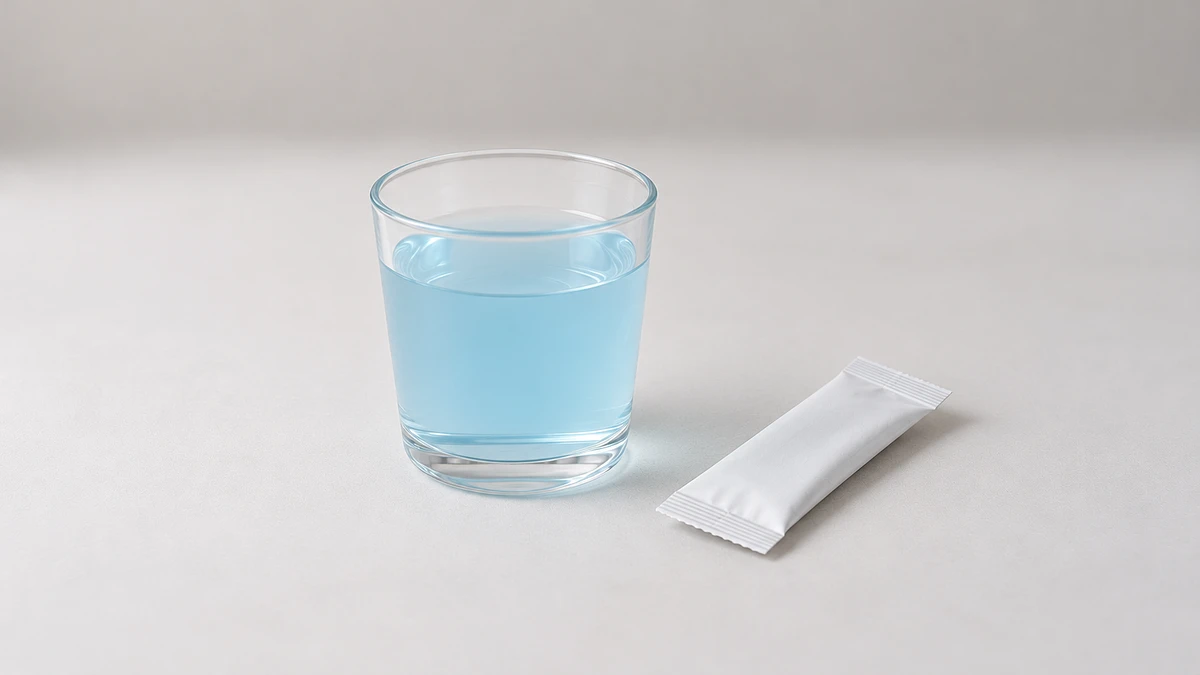
Can babies have Pedialyte or electrolyte drinks?
Only if a pediatrician or pharmacist recommends it, and then exactly as they say. Oral rehydration solutions like Pedialyte replace the water and salts a baby loses through vomiting or diarrhea. The AAP gives amounts by weight for mild dehydration, to be used as your pediatrician directs. Pedialyte’s own label says to ask a doctor before giving it to babies under 1, and its powder packs and freezer pops aren’t for babies under 1 at all.[1][2]
During a stomach bug, breast milk or formula is still the main drink. Offer smaller feeds more often, never water down formula, and only add a rehydration solution if your doctor advises it. Breastfed babies can often stay hydrated on frequent feeds alone.[1]
Sports drinks are a different product. Gatorade, Powerade and similar drinks are sugary drinks the AAP says to avoid before age 5. Their sugar can also draw water into the gut and make diarrhea worse, so they don’t replace a rehydration solution.[4][2]
Choking risk
Electrolyte drinks are thin liquids, so they are a low choking risk. Freezer pops are a different shape: a frozen stick can be bitten off in a chunk, and the brand's pops aren't for children under 1 anyway.
Offer a rehydration solution by spoon, syringe or open cup in small, frequent amounts, as your pediatrician describes. See how to serve for what applies at each age.
Allergens
Oral rehydration solutions are not a common food allergen - they are water, glucose and salts, with flavoring and sometimes sweeteners or color. Some flavored products contain sucralose or acesulfame potassium; the unflavored version avoids them.[5]
The reason to be careful with these drinks is dosing and medical supervision, not allergy.
Safety during illness
Babies can become dehydrated quickly. If your baby is under 12 months and has vomiting and diarrhea, or seems to be drinking less or making fewer wet diapers, call your pediatrician the same day rather than managing it alone.[6]
Never mix your own salt-and-sugar solution for a baby, and never water down a store-bought one. The balance of salt and sugar is what makes it work, and getting it wrong can be dangerous. Lots of plain water isn’t the answer for a vomiting baby either, because it replaces water without the salts. Fruit juice and soda make diarrhea worse.[1]
When your baby isn’t sick, their drinks are breast milk or formula, then water and plain milk. The AAP advises avoiding sports drinks, flavored or “enhanced” waters, and anything sweetened from birth to age 5.[4][7]
How to serve
Up to 12 months old
Rehydration solution only on your pediatrician's direction
During vomiting or diarrhea, keep offering breast milk or formula in smaller, more frequent feeds. If your pediatrician recommends an oral rehydration solution, give the amount they specify in small sips or spoonfuls - the AAP table starts at about 16 oz over 24 hours for a 6 to 7 lb baby with mild diarrhea, rising with weight, but your doctor sets the number.[1]
When to call
Fewer wet diapers, a dry mouth, no tears, a sunken soft spot, or a baby who is unusually sleepy or hard to settle - call the same day. Vomiting that won't stop, blood in the stool or a high fever mean call now.[6]
12+ months old
Still a sick-day product, never a routine drink
From 1 year the same rule holds: a rehydration solution during illness as your pediatrician directs, offered in an open or straw cup in small amounts through the day. Most toddlers with a mild bug do fine on water, milk and their usual food in small portions; the solution is for when losses are heavy.[1]
Sports drinks and electrolyte waters aren't needed for a healthy toddler, even in hot weather or after running around - water does the job, and the AAP lists sugar-sweetened drinks among those to avoid up to age 5.[4]
Sources
- Treating Dehydration with Electrolyte Solution - AAP HealthyChildren
- Pedialyte Facts and FAQ (under 1 year: consult your doctor) - Abbott
- Diarrhoea and vomiting (rehydration advice for babies) - NHS
- Recommended Drinks for Children Age 5 & Younger - AAP HealthyChildren
- Food Allergies (the 9 major US allergens) - FDA
- Signs of Dehydration in Infants & Children - AAP HealthyChildren
- Healthy Beverage Consumption in Early Childhood: Consensus Recommendations (AAP, AHA, AND, ADA) - Healthy Eating Research 2019