 HeySolids
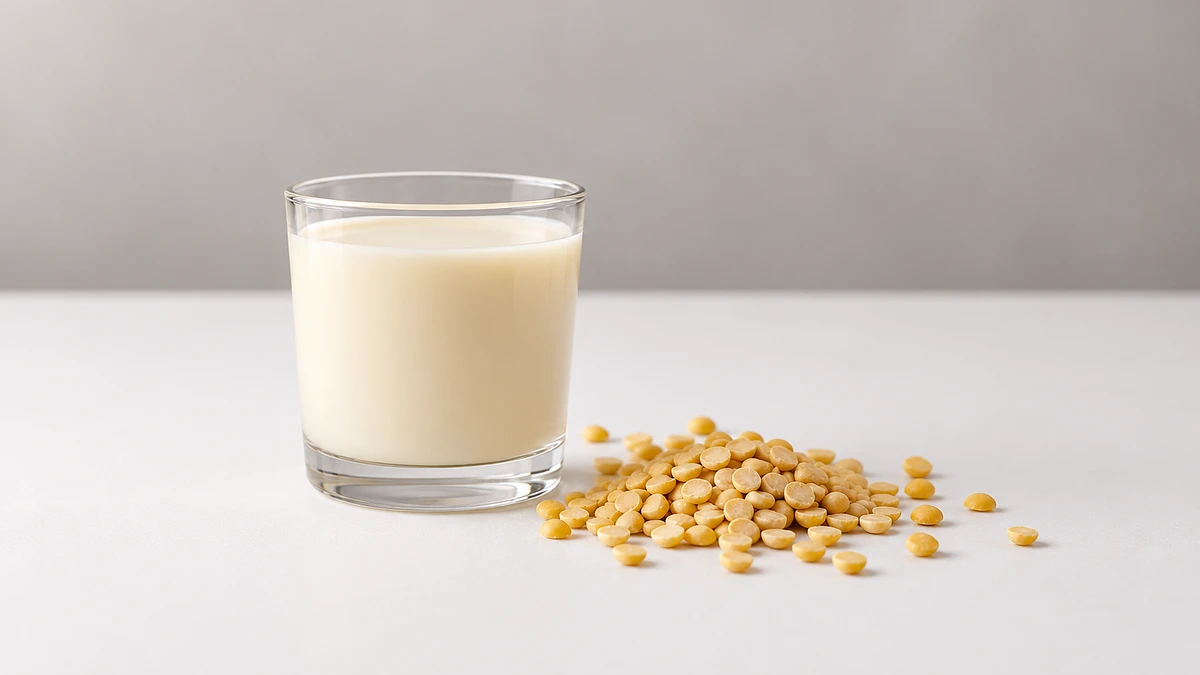
Can babies have pea milk?
As an ingredient, yes, from around 6 months. Use a splash in oatmeal, mash or baking, the same way you’d use cow’s milk in cooking. As a drink, not before 12 months. Breast milk or formula is the drink in the first year, and the CDC says milk alternatives shouldn’t be given as a drink before then.[1]
From 12 months, unsweetened pea milk fortified with calcium and vitamin D is one of the few plant milks with protein close to cow’s milk: about 8 g per cup, similar to dairy and soy. That makes it a common choice for families avoiding both dairy and soy. Talk to your pediatrician before making it the daily milk, though. Fortified soy milk is the only plant milk considered nutritionally equal to cow’s milk, and other plant milks shouldn’t fully replace dairy without a doctor’s input.[2][3][1]
Choking risk
Pea milk is a thin liquid, so it is a low choking risk.
If it goes in a cup from 12 months, make it an open or straw cup rather than a bottle. See how to serve for age-by-age use.
Allergens
Pea milk is not one of the nine major food allergens, and it's free of dairy, soy and nuts - which is exactly why it's popular in allergy households. A true pea allergy is uncommon but does occur.[5]
Start with a small amount and watch for a reaction.
Food safety
No plant milk can replace breast milk or formula in the first year, and the CDC says milk alternatives shouldn’t be given as a drink before 12 months. From age 1, choose unsweetened and fortified versions. Sweetened and flavored ones have added sugar, which isn’t recommended before age 2.[1][6]
If pea milk is replacing cow’s milk because of a milk allergy, ask a pediatrician or dietitian to check that the rest of your child’s diet provides enough fat, vitamin B12 and iodine. Fortification varies by brand, and a toddler’s main milk does a lot of nutritional work.[3]
How to serve
6+ months old
Pea milk in food and cooking
A splash in oatmeal, mash, or baking
From 6 months, unsweetened pea milk works as a cooking ingredient - stirred into oatmeal, loosening a mash or puree, or in pancakes and baking. It's for texture and a little protein, not a feed, and it doesn't replace breast milk or formula.
How to prepare
Shake the carton and use a splash the way you'd use any milk in cooking. If peanut allergy runs in the family, treat the first taste as a new-food introduction: a small amount, earlier in the day.
12+ months old
Unsweetened, fortified pea milk in a cup
Up to about 16 oz (2 cups) a day
From 12 months, unsweetened pea milk fortified with calcium and vitamin D can be offered in an open or straw cup. For a family that eats dairy, whole cow's milk is still the default; for a dairy-free or dairy-allergic toddler, pea milk is a reasonable everyday option to agree with your pediatrician, with about 16 oz a day as the guide so it doesn't crowd out iron-rich food.
How to prepare
Shake well, serve cold or gently warmed. Check the label for "unsweetened" and for calcium and vitamin D; skip "kids" blends with added sugar.
Tips
- Unsweetened, fortified, and the plain one. Original and vanilla pea milks add sugar; "kids" versions add sugar and extras you don't need. The unsweetened carton with calcium and vitamin D on the label is the one for a toddler's cup.
- It's an ingredient before 12 months, a possible drink after. A splash in oatmeal or a mash is fine from 6 months. As a daily drink from 1, run it past your pediatrician or a dietitian, especially if it's replacing cow's milk for an allergy.
- Shake it, and expect a creamier texture than oat or almond. Pea milk gets its body from pea protein and sunflower oil; the separation in the carton is normal.
Sources
- Cow's Milk and Milk Alternatives (whole milk as a drink at 12 mo) - CDC
- Recommended Drinks for Children Age 5 & Younger - AAP HealthyChildren
- Healthy Beverage Consumption in Early Childhood: Consensus Recommendations (AAP, AHA, AND, ADA) - Healthy Eating Research 2019
- Legume Allergens Pea, Chickpea, Lentil, Lupine and Beyond - Curr Allergy Asthma Rep 2024 (PMC11364600)
- Food Allergies (the 9 major US allergens) - FDA
- Foods and Drinks to Avoid or Limit (honey, added sugar, salt) - CDC