 HeySolids
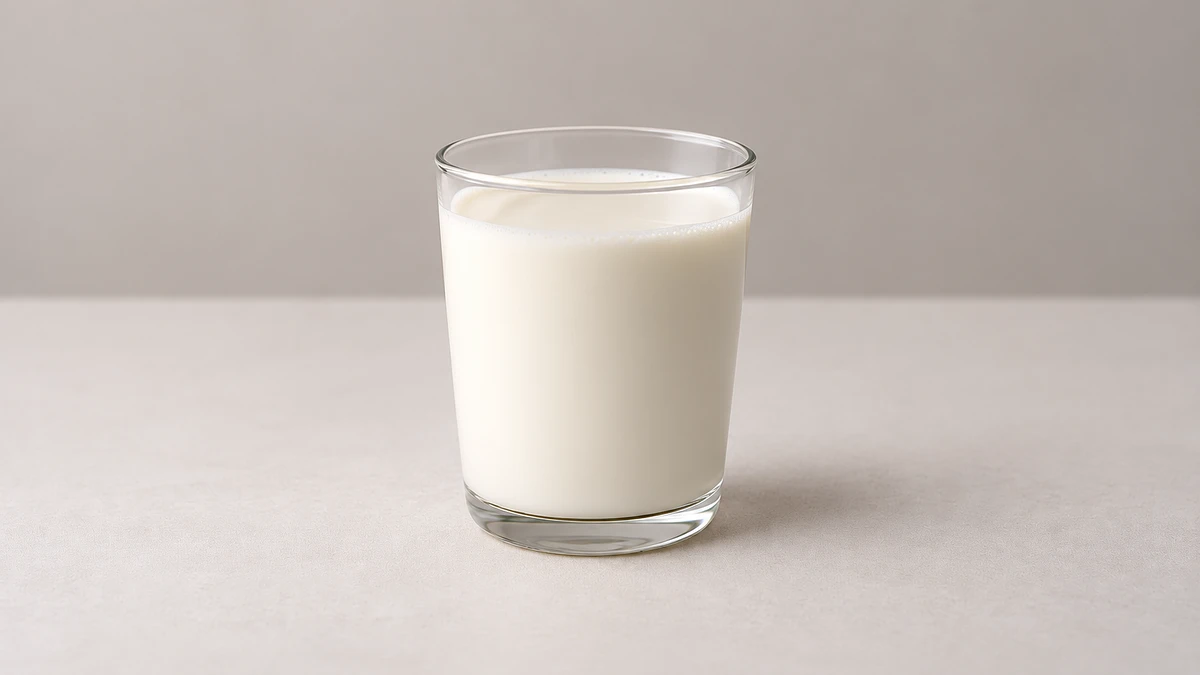
Can babies have raw milk?
No, not as a drink, not in cooking, and not at any age in childhood. Raw milk hasn’t been heated to kill the germs that get into it on the farm, and the CDC lists children under 5 among the people most likely to become seriously ill from it. The AAP’s updated policy advises against raw milk and raw-milk products for all children and pregnant people.[1][2]
That includes raw goat, sheep and camel milk, which can carry the same germs, and anything made from raw milk: raw kefir, raw cream, raw-milk ice cream and unpasteurized cheese. Pasteurization doesn’t reduce milk’s nutritional value, so there’s nothing to gain from raw milk to balance the risk.[3][2]
The usual milk rules still apply. In the first year, breast milk or formula is the drink. From 12 months, pasteurized whole milk can be a drink, and pasteurized milk is fine in cooking from 6 months.
Choking risk
Raw milk is a thin liquid, so it is a low choking risk - the danger here is bacterial, not mechanical.
Pasteurized whole milk can be offered in an open or straw cup from 12 months. See how to serve for what to use at each age.
Allergens
Raw milk is still milk, one of the nine major food allergens, so a baby with a cow's milk allergy reacts to it exactly as they would to pasteurized milk.[5]
Raw goat, sheep and camel milk are not a safe swap for a milk-allergic child either: their proteins are close enough to cow's milk that most children allergic to one react to the others. There's no evidence that raw milk prevents allergies, and it is sometimes promoted that way.[4]
Food safety
Pasteurization heats milk just long enough to kill germs like Salmonella, E. coli, Listeria, Campylobacter and Brucella. Without it, those germs end up in the glass. The CDC also warns against raw milk when bird flu (H5N1) is spreading in dairy herds, because live virus has been found in raw milk.[1]
Young children are hit hardest. The E. coli strains found in raw milk can cause hemolytic uremic syndrome, a serious complication that can lead to kidney failure. Nearly half of people who get sick from raw dairy in the US are under 20.[3][2]
If your child has had raw milk and becomes unwell in the days after, call your pediatrician and tell them about the raw milk, since it changes what they test for.[1]
How to serve
Up to 5 years old
Pasteurized milk only - never raw
Don’t give your child raw milk or anything made from it, including raw goat, sheep or camel milk, raw kefir, raw cream and unpasteurized cheese. Children under 5 are among the most likely to be seriously harmed by the germs it can carry.
In the first year, breast milk or formula is the drink. From 12 months, offer pasteurized whole milk in an open cup or straw cup. Pasteurized milk cooked into food is fine from 6 months.
At the farm or market
Some states allow raw milk to be sold at farm shops or through “herd share” schemes, often with claims about allergies or nutrition that the evidence doesn’t support.[2] Before buying milk, cheese or ice cream for your child, check the label for the word “pasteurized” or ask the seller.
5+ years old
Still pasteurized
Raw milk doesn't become a good idea at 5 - the AAP advises against it for all children. The under-5 line just marks who is at highest risk of severe illness. Keep choosing pasteurized milk and dairy for the whole family.[2]
Sources
- Raw Milk - CDC
- Updated AAP Guidance: Raw Milk Products Risky for Children and Pregnant People (policy statement, Pediatrics, Nov 2026) - AAP HealthyChildren
- The Dangers of Raw Milk (unpasteurized) - FDA
- Raw Milk Misconceptions and the Danger of Raw Milk Consumption - FDA
- Milk - FARE
- Cow's Milk and Milk Alternatives (whole milk as a drink at 12 mo) - CDC