 HeySolids
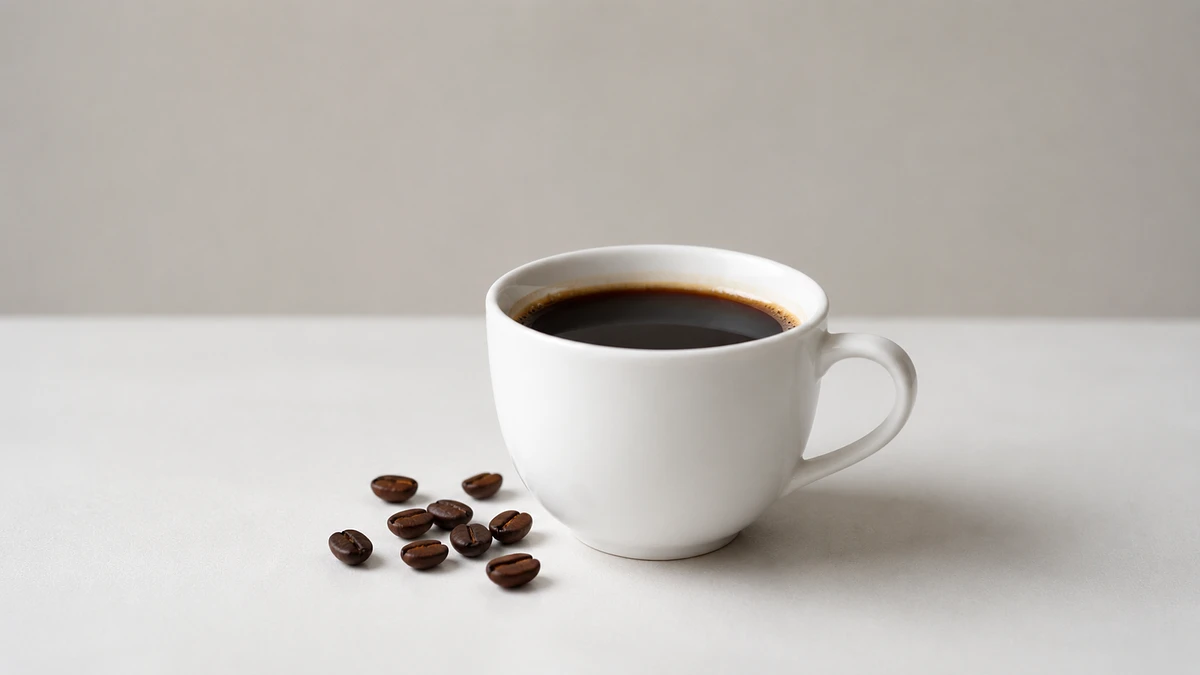
Can babies have coffee?
No. Caffeine affects a baby far more than an adult because they're small and clear it slowly, and even a few sips can disturb sleep, raise heart rate and cause jitteriness. There's no recommended amount for children under 2.
It's worth checking what else in the house has caffeine too, since chocolate, cola, iced tea and some energy drinks all contain it and are easier to hand over by accident than a cup of coffee.
Choking risk
Coffee is a thin liquid, so it is a low choking risk - choking isn't the concern here.
The reason it stays off a child's menu is the caffeine itself, plus the scald risk of a hot cup within a toddler's reach. See how to serve for what to offer instead.
Allergens
Coffee is not a common food allergen, so a true allergy to it is rare - the reason to keep it away from children is caffeine, not allergy.[3]
Coffee drinks are another matter - lattes, frappes, and bottled coffee beverages are mostly milk, a common allergen.
Food safety
No caffeine for babies, toddlers, or young children - the AAP advises against any caffeine before age 12, and against energy drinks at any age in childhood. A small body clears caffeine slowly, so even a little can mean poor sleep, irritability, a racing heart, higher blood pressure, and an upset stomach.[1]
Most childhood caffeine doesn't come from coffee. It hides in soda, sweet tea and iced tea, chocolate, coffee-flavored ice cream and yogurt, and above all energy drinks - checking those matters more than guarding the coffee pot.[2]
The harmless version of the ritual: a "babyccino" - a little cup of plain steamed milk - lets a small person join the coffee run with nothing to worry about.
How to serve
Up to 4 years old
No caffeine - in any drink or dessert
No coffee, and no caffeine from anywhere else either - soda, sweet tea, energy drinks, or coffee-flavored desserts. Caffeine hits small bodies hard: lost sleep, jitters, a racing heart, and a fussier stomach, from doses an adult wouldn't notice.[1]
What to offer instead
If your toddler wants in on the cafe trip, order a babyccino - warm frothed milk in a tiny cup. At home, milk or water covers every drink a young child needs. Keep hot cups well back from the table edge.
4+ years old
Still no coffee - watch the hidden sources
Nothing unlocks at 4 - the AAP's advice is no caffeine until at least 12, and no energy drinks through the teen years. What changes is exposure: school-age kids start meeting soda, iced tea, and coffee-shop drinks out in the world, so the job shifts to reading labels and setting the norm at home.[1]
A sip of a parent's latte won't hurt a school-age kid - it's the daily can-of-soda habit that adds up. Decaf or a milky "kid's coffee" scratches the itch when they want to feel included.