 HeySolids
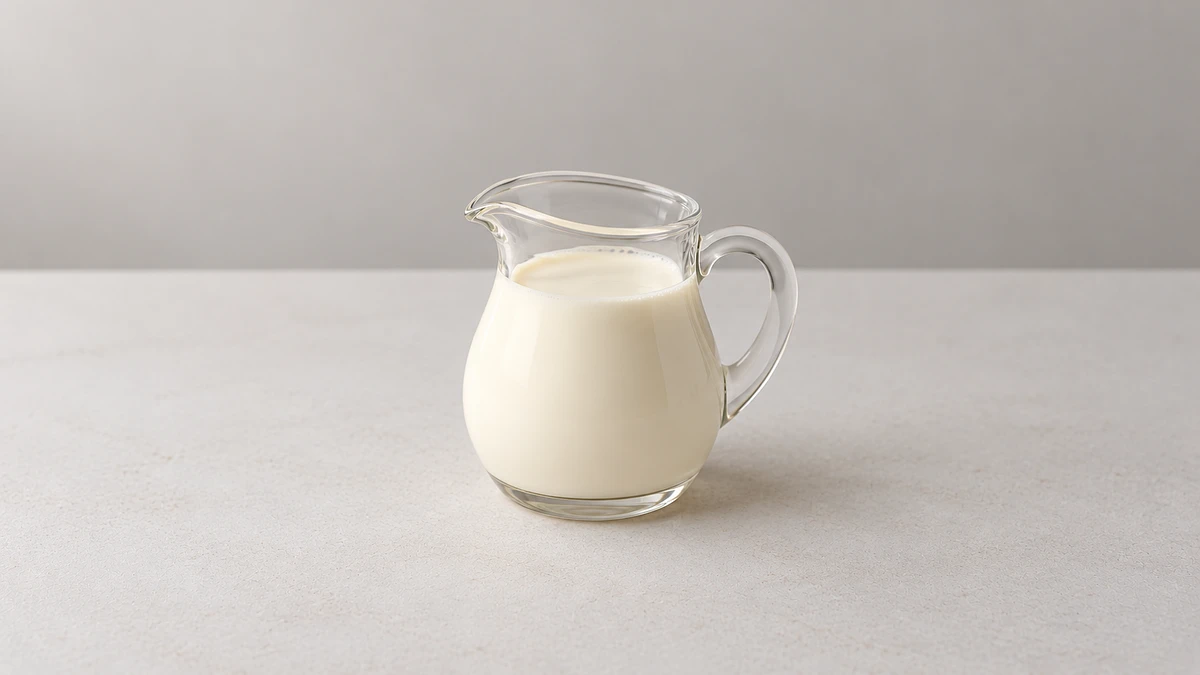
Can babies have cream?
Yes, from around 6 months, as an ingredient. The no-cow’s-milk rule before 12 months is about milk as a drink replacing breast milk or formula. Dairy foods are fine from 6 months, and cream cooked into food is one of them. A tablespoon in a pasta sauce, soup, scrambled eggs or mashed potato adds richness and makes the texture softer.[1][2]
Cream is mostly fat (heavy cream is around 36%) with little protein, so it adds flavor and texture rather than nutrition. Half-and-half, crème fraîche and sour cream work the same way. Plain whipped cream with no sugar is fine as a spoonful on fruit, but sweetened canned cream and frozen whipped toppings contain added sugar, so they wait until 2.[3][4]
Choking risk
Cream is a low choking risk - a liquid or a soft foam with nothing to lodge.
Stir it into food rather than offering it by the spoonful, and keep whipped cream to a small dollop on something baby is already eating. See how to serve for each age.
Allergens
Cream is cow's milk, a common food allergen and one of the most common allergies in babies.[5][6]
If baby already has yogurt or cheese, cream is nothing new. Frozen whipped toppings are mostly oil and corn syrup, but they contain milk protein (sodium caseinate), so they still count as milk for an allergic child - and a baby with a known milk allergy will react to cream in a sauce as surely as to a glass of milk.[7]
As with any new food, start with a small amount and watch for a reaction.
Food safety
Use pasteurized cream only. Raw cream carries the same germs as raw milk, like E. coli, Listeria and Salmonella, and children under 5 are among the most likely to become seriously ill from them. Skip raw cream from farm stands and anything made with it.[8]
Keep cream in the fridge and use it by the date on the carton, and once opened, within the time the carton says. Canned whipped cream is sweetened, so it’s a treat from age 2. Cream you whip at home has no added sugar.[9]
How to serve
6+ months old
A spoonful stirred into cooked food, or a dollop of unsweetened whipped cream
About a tablespoon in a baby-sized portion
Stir a tablespoon of cream into a vegetable puree, a tomato sauce, scrambled egg or oatmeal to soften and enrich it. A small dollop of plain cream whipped without sugar is fine on soft fruit. Skip sweetened cans and frozen toppings.
How to prepare
No cooking needed - add it at the end of cooking so it doesn't split, and let the dish cool before serving.
12+ months old
Cream in family dishes; plain whipped cream as a topping
A tablespoon or two in a toddler portion
Cream sauces, creamy soups and a dollop of whipped cream on pancakes or berries are all fair game, served the same way as the rest of the family's. Keep sweetened whipped toppings for after 2, and plain whipped cream in the meantime.
How to prepare
Whip cold heavy cream with a whisk until soft peaks form - no sugar needed. Stir cream into sauces off the heat.
Sources
- Cow's Milk and Milk Alternatives (whole milk as a drink at 12 mo) - CDC
- When, What, and How to Introduce Solid Foods - CDC
- Cream, fluid, heavy whipping (about 36% fat) - USDA FoodData Central
- Dietary Guidelines for Americans 2020-2025 (birth-24 months: no added sugar/salt under 2) - USDA/HHS (PDF)
- Food Allergies (the 9 major US allergens) - FDA
- Milk - FARE
- Dessert topping, frozen, semi solid (Cool Whip-type; contains sodium caseinate) - USDA FoodData Central
- Raw Milk - CDC
- Added Sugars and CV Disease Risk in Children (none under 2) - AHA, Circulation 2016