 HeySolids
Choking risk
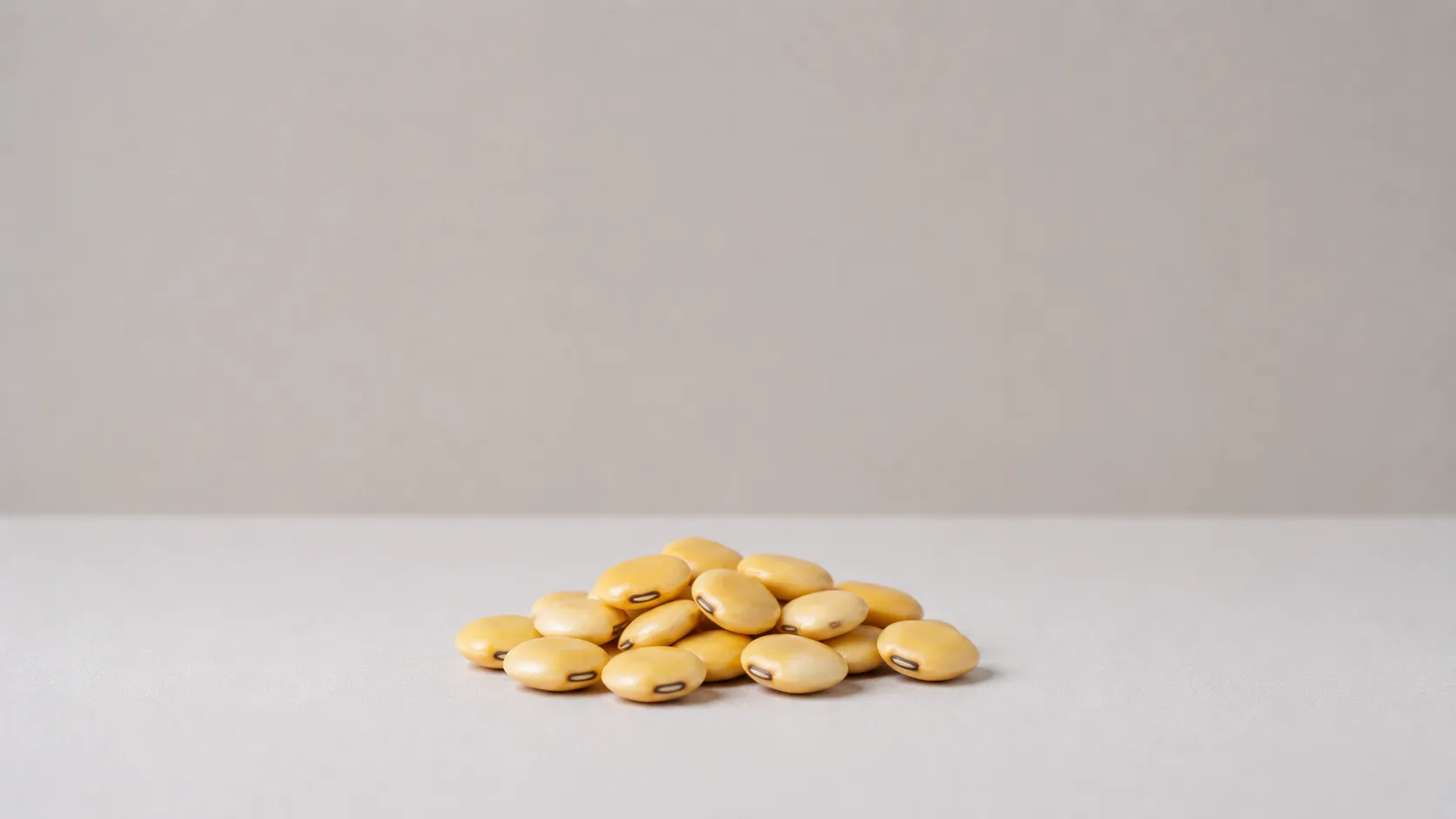
Whole lupini beans are a moderate choking risk. They are round, firm, and skin-on, and the CDC lists whole beans among the foods to avoid for young children.[1]
Smash each cooked bean flat so it is no longer round, slip the skin off, and keep any bakes soft. See how to serve for age-by-age prep.
Allergens
Lupin is not on the US label list, so it is less familiar here than in Europe, where it must be declared. It can still cause real allergic reactions. Lupin is a legume, like peanut, and some people with a peanut allergy react to it too - so if your child is allergic to peanut, check with your pediatrician before trying lupini.[2]
Start with a small amount and watch for a reaction.
If baby refuses
Lupin has a mild, nutty flavor. Mash soft lupini through a vegetable puree or dip, or bake lupin flour into pancakes where it is barely noticed. Keep offering it - repeated tastes build acceptance.
Food safety
Bitter lupini contain natural alkaloids and are not safe to eat until they have been soaked and rinsed repeatedly over several days to remove them. This is not something to attempt at home for a baby - buy ready-to-eat lupini or lupin flour instead, which have already been through the process.
Jarred lupini are usually packed in salty brine, so rinse them well before serving.
How to serve
6+ months old
Soft mash, or a soft lupin-flour strip
Mash ready-to-eat lupini beans into a smooth paste and serve on a pre-loaded spoon, or offer a soft strip of lupin-flour pancake or muffin baby can grip.
Introduce lupin on its own first so you can watch for a reaction, and take extra care if peanut allergy runs in the family.
How to cook
Heat ready-to-eat lupini until very soft, slip off the skins, and mash well. Or bake lupin flour into a simple pancake or muffin cooked right through, with no added salt for baby's portion.
9+ months old
Smashed lupini, or soft lupin-flour pieces
Flattened beans, easy to pick up
As the pincer grasp develops, smash each soft lupini bean flat with a fork so it is no longer round and slip off the skin - good practice for little fingers. Soft lupin-flour foods work well too.
How to cook
Heat ready-to-eat lupini until one squashes easily between your fingers, then flatten each and remove the skin. Or bake with lupin flour until fully cooked and soft. Keep added salt out of baby's portion.
12+ months old
Soft lupini and lupin-flour foods in family dishes
Part of a normal portion, cooked soft
Soft lupini and lupin-flour foods can now go into family dishes - stirred through stews and grain bowls, or baked into breads, pancakes, and pasta. Keep smashing the beans a little while your toddler's chewing matures, and keep checking labels for hidden lupin flour.
How to cook
Heat ready-to-eat lupini until tender, or bake with lupin flour until fully cooked. Serve smashed or folded into mild stews, grain bowls, and bakes. Keep added salt low so the dish suits baby too.