 HeySolids
Choking risk
Sweet paprika cooked into food is a low choking risk, and neither the CDC nor the AAP lists it as one to avoid.
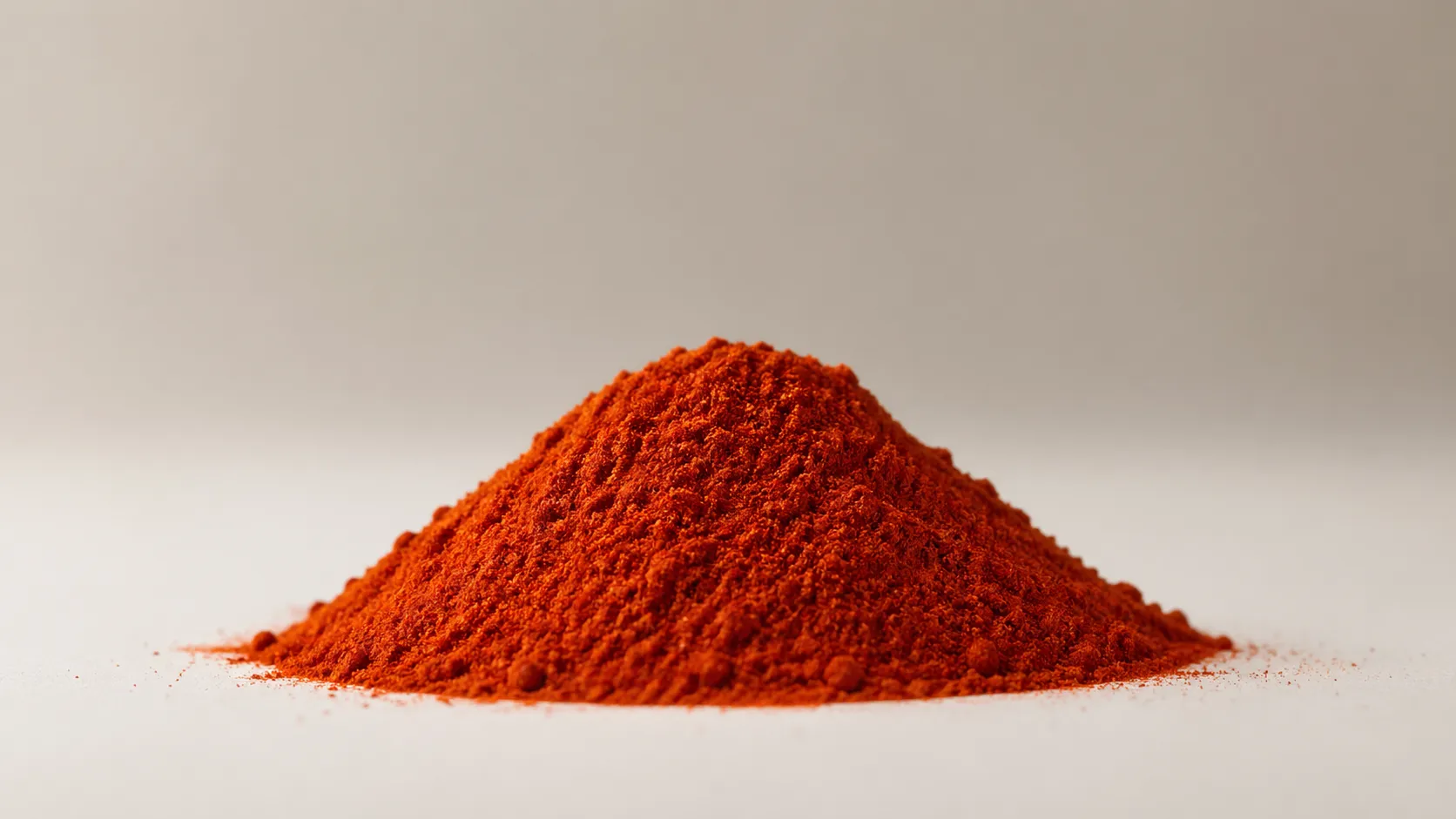
Stir it into food rather than offering dry powder, which can make baby cough. See how to serve for age-by-age prep.
Allergens
Paprika is not a common food allergen, so a true allergy to it is rare.[1]
Start with a small amount and watch for a reaction.
If baby refuses
Paprika is usually well received. If a dish seems too strong, use a smaller pinch next time, or stir it into a food baby already enjoys, like beans or mashed sweet potato.
How to serve
6-24 months +
A pinch of sweet paprika in cooking
Cooked into food, not sprinkled on top
From 6 months, cook a pinch of sweet (mild) paprika into baby's food - eggs, potatoes, chicken, rice, bean stews. Sweet paprika is warm and gently smoky, not hot, so there's no reason to wait - check the label says sweet or mild, since hot paprika sits on the same shelf and is one for later, introduced gradually in the toddler years if your family eats it. Start with a small pinch and let dishes get gradually more flavorful - by the toddler years, sweet paprika can season family stews, traybakes, and marinades at full family strength. Smoked paprika is fine too, in the same small amounts.
How to cook
Stir paprika into the pot with a little oil or liquid early in cooking - it blooms in fat and mellows as it cooks, but scorches quickly in a dry pan, turning bitter. If a dish tastes bitter rather than sweet, burnt paprika is usually why.