 HeySolids
Choking risk
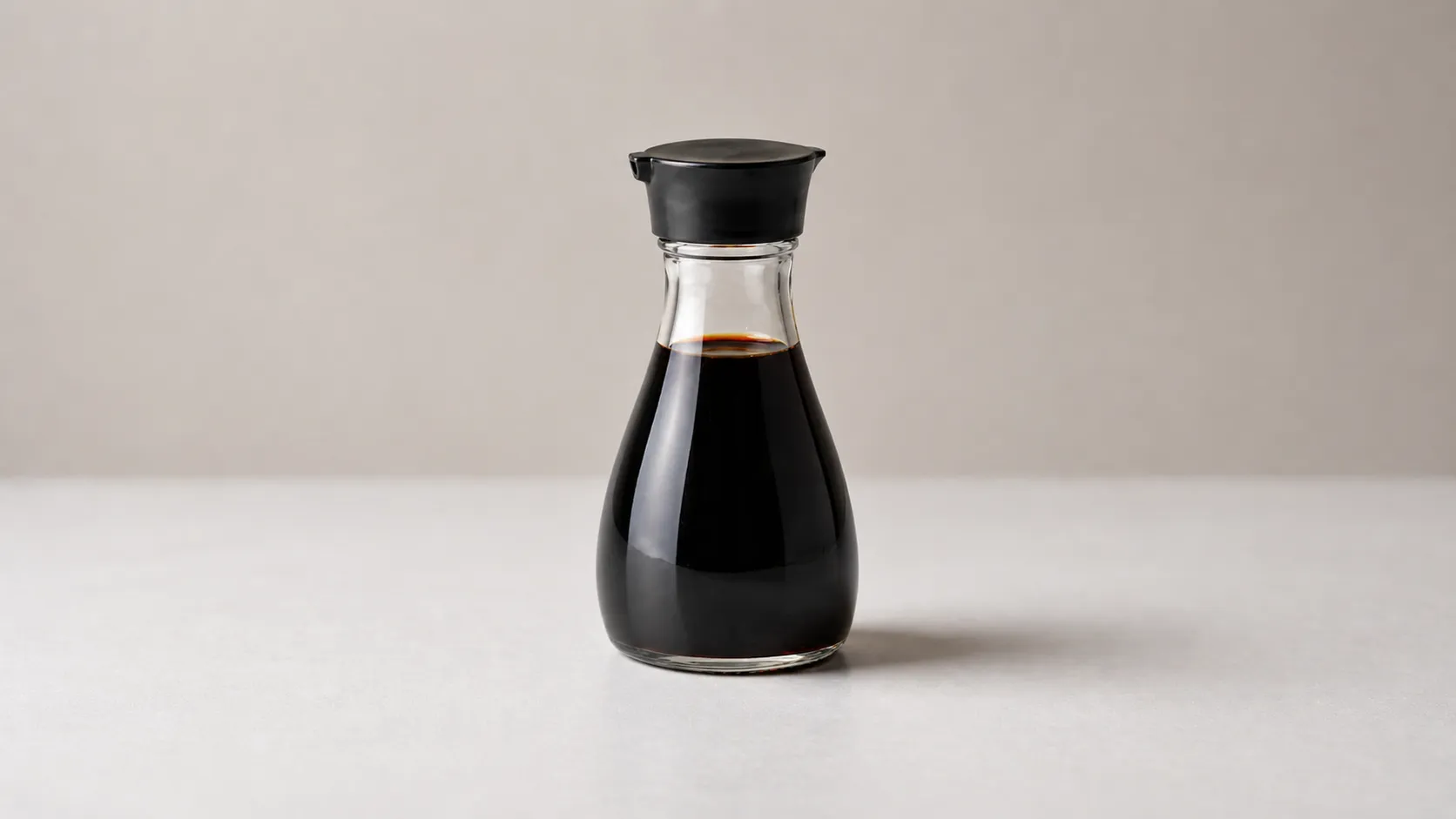
Soy sauce is a thin liquid used in tiny amounts, so it is a low choking risk.
Nothing needs cutting or shaping. See how to serve for age-by-age prep.
Allergens
Soy sauce is made from soy, and most kinds are brewed with wheat too, so it carries two common allergens.[1] There's no reason to delay either one - waiting doesn't prevent allergies, and both can start alongside other solids from around 6 months.
Soy sauce isn't the way to introduce them, though. It's used in such small amounts that it can't do the job, and a proper first taste would bring far too much salt with it.
Introduce soy through tofu or edamame, and wheat through bread or pasta, then soy sauce is simply a seasoning your baby has already met the ingredients of.
Wheat-brewed soy sauce contains gluten. Tamari is often wheat-free, but check the label rather than assuming.[3]
If your baby has severe eczema or an existing food allergy, check with your pediatrician before starting allergens.
Food safety
Soy sauce is extremely salty - a single tablespoon holds close to a whole day's worth for a young child. Don't add salt to food in the first 12 months, and keep it low through the toddler years, which in practice means leaving soy sauce out.[4]
How to serve
Up to 2 years old
Best left out - too salty
Soy sauce is one of the saltiest things in the kitchen. A teaspoon holds around a quarter of a young child's whole day of salt, so it is best left out before age 2.
For savory flavor instead
Cook with unsalted stock, garlic, ginger, or a little mushroom for savory depth without the salt.
2+ years old
A trace, well diluted
After age 2, a small amount of soy sauce can go into cooking. Use about half a teaspoon in a dish that serves the whole family, rather than adding it to your child's portion. Reduced-sodium versions still carry around half the salt of regular soy sauce, so they change the amount rather than removing the problem. Keep the rest of the meal low in salt.