 HeySolids
Choking risk
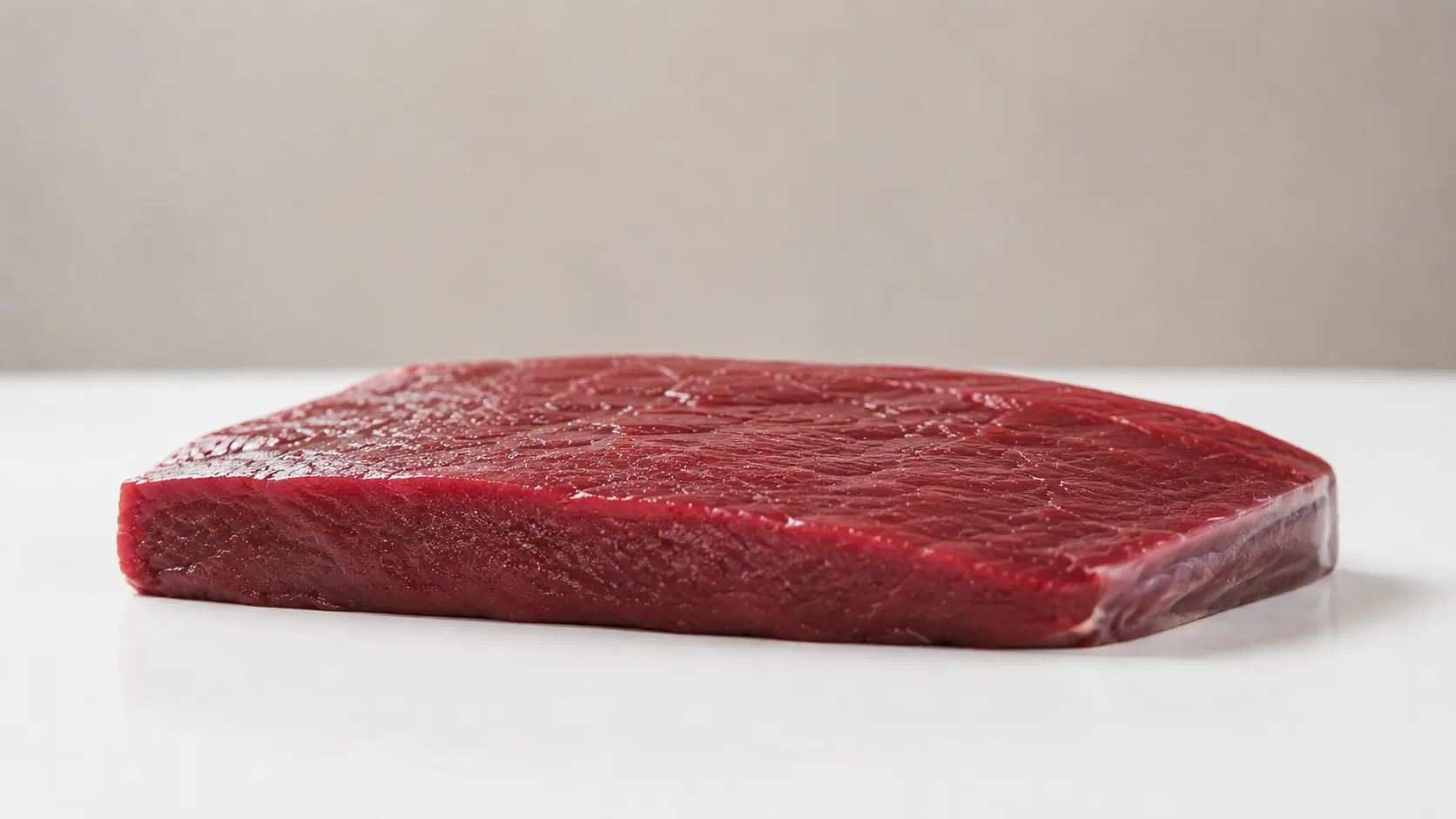
Venison is a moderate choking risk. It is lean and can be firm or chewy, and it stays safe only when it is cut down and kept moist.
Serve it finely ground or shredded, moistened with sauce, gravy, or a little oil. Don't serve firm cubes or slices of steak. See how to serve for age-by-age prep.
Allergens
Venison is not a common food allergen, so a true allergy to it is rare.[2]
Start with a small amount and watch for a reaction.
If baby refuses
Dryness is the main reason venison gets turned down, so keep it moist. Slow-cook or stew it, or stir ground venison into a familiar sauce, soup, or pasta. Flattened patties work better than crumbles, which are easy to lose off a spoon.
Food safety
Cook venison to 160°F, whether it is ground or a whole cut. Wild game is not inspected the way farmed meat is, so it needs a higher temperature than beef or lamb.
Use a thermometer - color is not a reliable doneness check for game. Wash hands, boards, and utensils after handling raw venison, and keep it away from ready-to-eat foods.
How to serve
6+ months old
Finely ground or shredded, or a soft patty
Shreds stirred into soft food, or a flattened patty
Serve venison soft and moist. Finely grind or shred slow-cooked venison and stir it through mashed potato or vegetables, or loosen it with a little sauce, gravy, or oil. Because it is so lean, be generous with the moisture. Let baby scoop with their hands, or offer a pre-loaded spoon.
Ground venison bound with breadcrumb and a little milk also works, shaped into flattened patties about finger width and 1/2 inch thick. Don't roll it into balls, and skip firm cubes and chewy chunks at this age.
How to cook
Slow-cook, braise, or stew to keep the lean meat tender. Overcooking dries it out fast, so check it early and often.
9+ months old
Finely shredded, or a soft patty
Bite-sized pieces, or a soft meatball to hold
As the pincer grasp develops, offer finely shredded venison or bite-sized pieces broken off a soft patty for picking-up practice. Keep everything moist with a sauce or a little oil, which matters even more with lean venison.
Keep avoiding firm cubes and chewy chunks. Cooking ground venison into a sauce or stew, or binding a patty with breadcrumb and egg, keeps it soft.
How to cook
Slow-cook, braise, or stew to keep the lean meat tender. Overcooking dries it out fast, so check it early and often.
12+ months old
Small soft pieces, meatballs, or ground in sauce
Bite-sized soft pieces, about 1/2 inch
Offer small, soft pieces of venison, meatballs, or ground venison stirred through a sauce as finger food, or let your toddler practice with a fork. Small whole meatballs work now, as long as your toddler chews well and doesn't stuff their mouth. Keep everything moist with a sauce or gravy, and still skip dry, firm cubes and chewy pieces. Cook the dish without salt and season the grown-ups' bowls at the table.
Venison works well in family dishes now - a rich ragu, a stew, chili, or cottage pie, where slow cooking keeps the lean meat moist.
How to cook
Slow-cook, braise, stew, or pan-cook as part of a family meal. Overcooking dries it out fast, so check it early and often.
Tips
- Venison has almost no fat, so it dries out where beef would stay juicy. Adding a little pork or olive oil to ground venison makes a noticeable difference.
- Trim the silverskin off whole cuts before cooking. It is the shiny membrane over the muscle, and it stays tough however long the meat cooks.
Sources
- Choking Hazards (Infant & Toddler Nutrition) - CDC
- Food Allergies (the 9 major US allergens) - FDA
- About Alpha-gal Syndrome (tick-acquired red-meat allergy) - CDC
- Safe Minimum Internal Temperature Chart - USDA FSIS
- Iron (Infant & Toddler Nutrition) - CDC
- Game meat, deer, cooked, roasted (FDC 174428) - USDA FoodData Central