 HeySolids
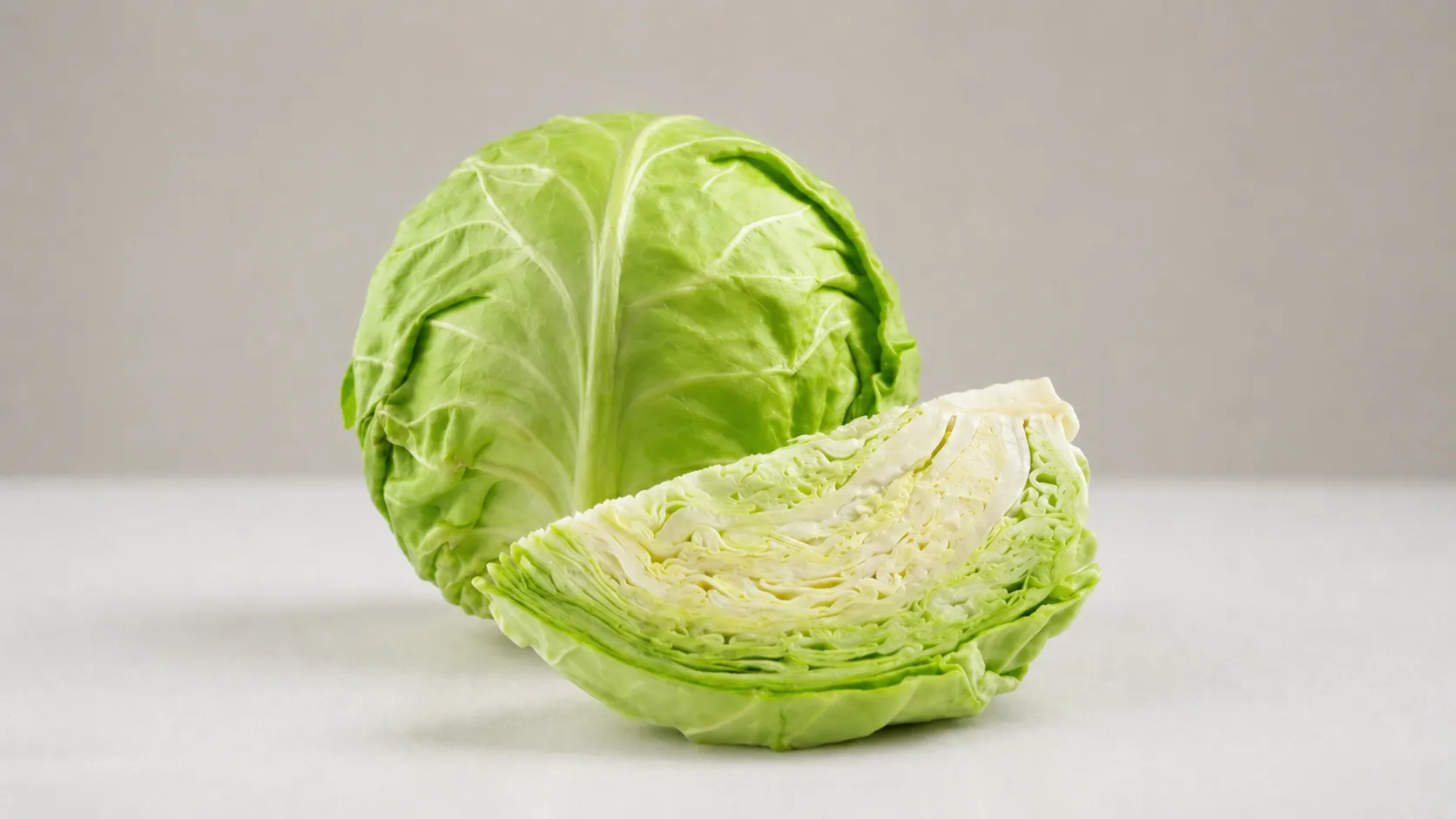
Choking risk
Raw cabbage is a moderate choking risk - it's firm and crunchy, and large cooked leaves can bunch into a ball or stick to the roof of the mouth.
Remove the tough core and thick ribs, cook the leaves until very soft, then chop or shred them finely. Skip whole cooked leaves, and any raw shredded cabbage or coleslaw.
See how to serve for age-by-age prep.
Allergens
Cabbage is not a common food allergen, so a true food allergy to it is rare.[3]
It can give some babies a bit of gas, which is harmless and not an allergic reaction. There's no meaningful cross-reactivity to flag.
Start with a small amount and watch for a reaction.
If baby refuses
That strong cabbage smell puts a lot of babies off before they've even tasted it - and it mostly comes from overcooking. Steam it or give it a quick sauté in a little butter instead of boiling it for ages, and it stays mild and slightly sweet. If it's still a no, fold it through mashed potato or something they already like. New foods often take a good few goes before they land.
How to serve
6+ months old
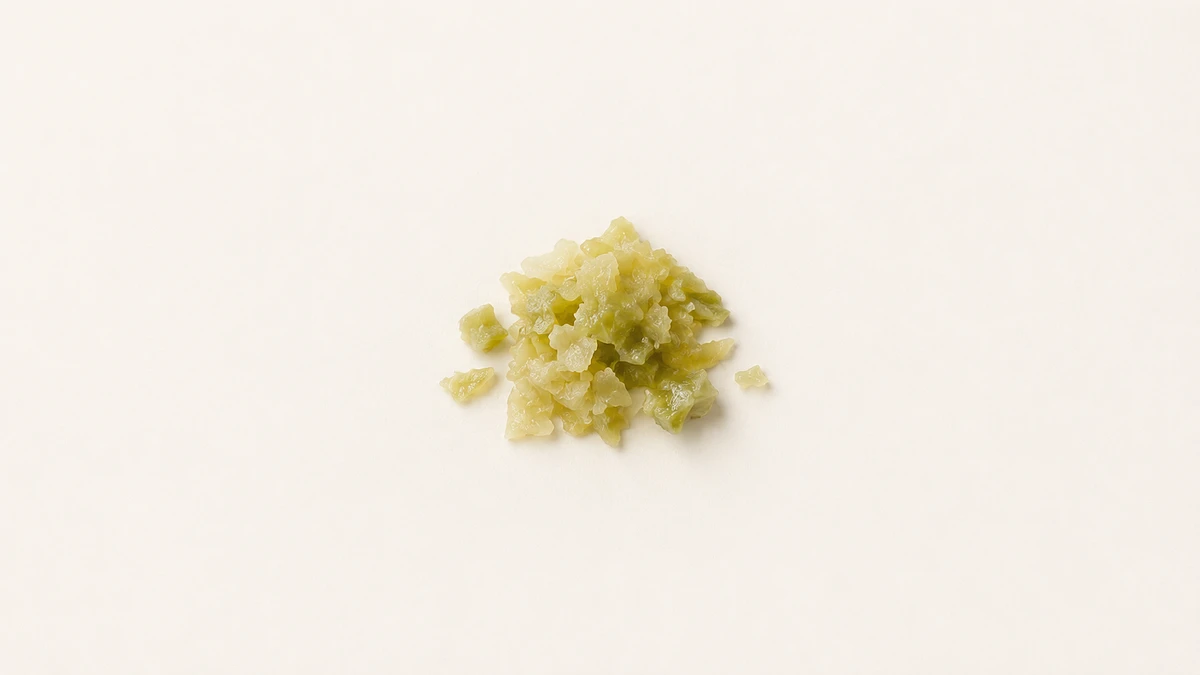
Very soft, finely chopped, and mixed in
Fine shreds stirred through soft food
Cook cabbage until very soft, chop or shred it finely, and mix it through a soft food like mashed potato, a smooth purée, or a mild sauce. Remove the tough core and thick ribs first, and skip whole or large floppy leaves, which can bunch into a ball in the mouth.
How to cook
Steam or simmer the cored leaves for about 8 to 10 minutes until very soft, then chop fine, or blend with a little cooking water into a smooth purée.
12+ months old
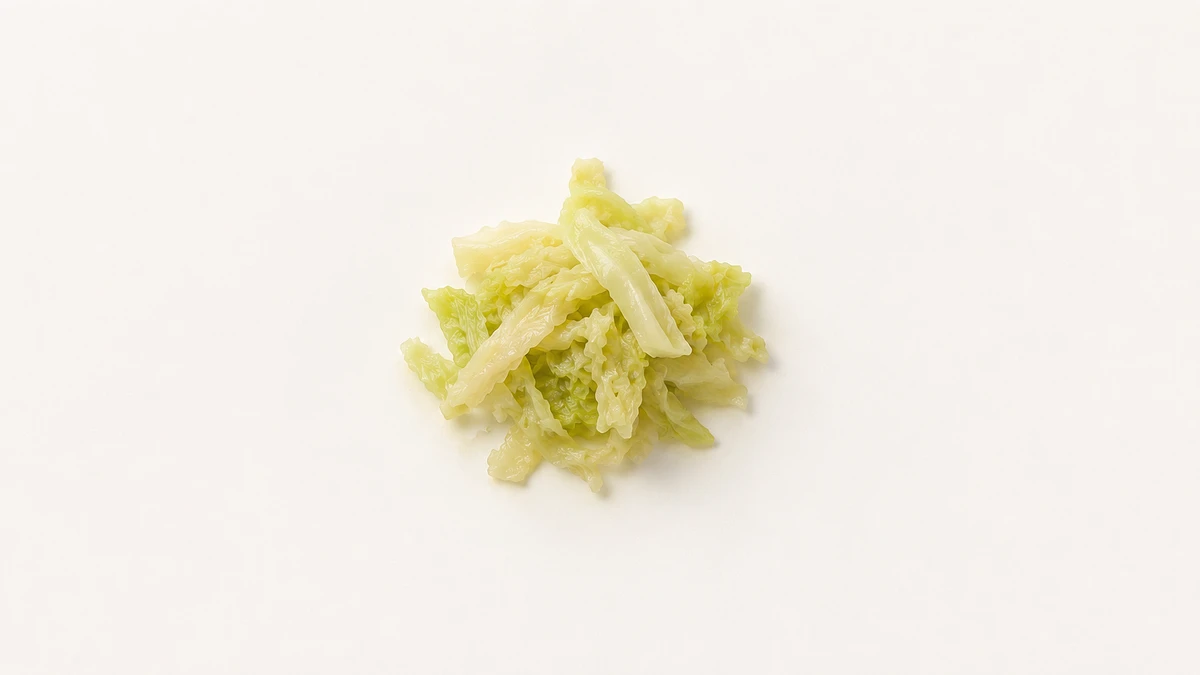
Soft cabbage in family dishes
Finely chopped or soft shredded pieces
Serve cabbage in family dishes - stirred into soups, gently stir-fried until soft, or mixed into mash - kept finely chopped or softly shredded so it doesn't bunch into a ball. Raw shredded cabbage and coleslaw are still hard to chew, so keep it cooked soft for now.
How to cook
Steam, simmer, braise, or stir-fry the cored leaves until soft, then chop or shred to a size baby can manage as part of a family meal.
Tips
- That smell means it's been cooked too long. Cabbage gets more sulphurous the longer it sits in the pan, which is where the boiled-cabbage smell comes from. Steam it or give it a quick sauté and it stays mild and a bit sweet - much easier to sell to a baby.
- It's not a reason to skip it. Cabbage has a reputation for causing wind, but it's not something to avoid or hold off on. Some babies are a bit gassier after it, some aren't.
- Savoy is the easiest one to start with. Those crinkly leaves are more tender than firm white or red cabbage, and they cook down softer in less time. Worth picking up when you're first offering it.