 HeySolids
Choking risk
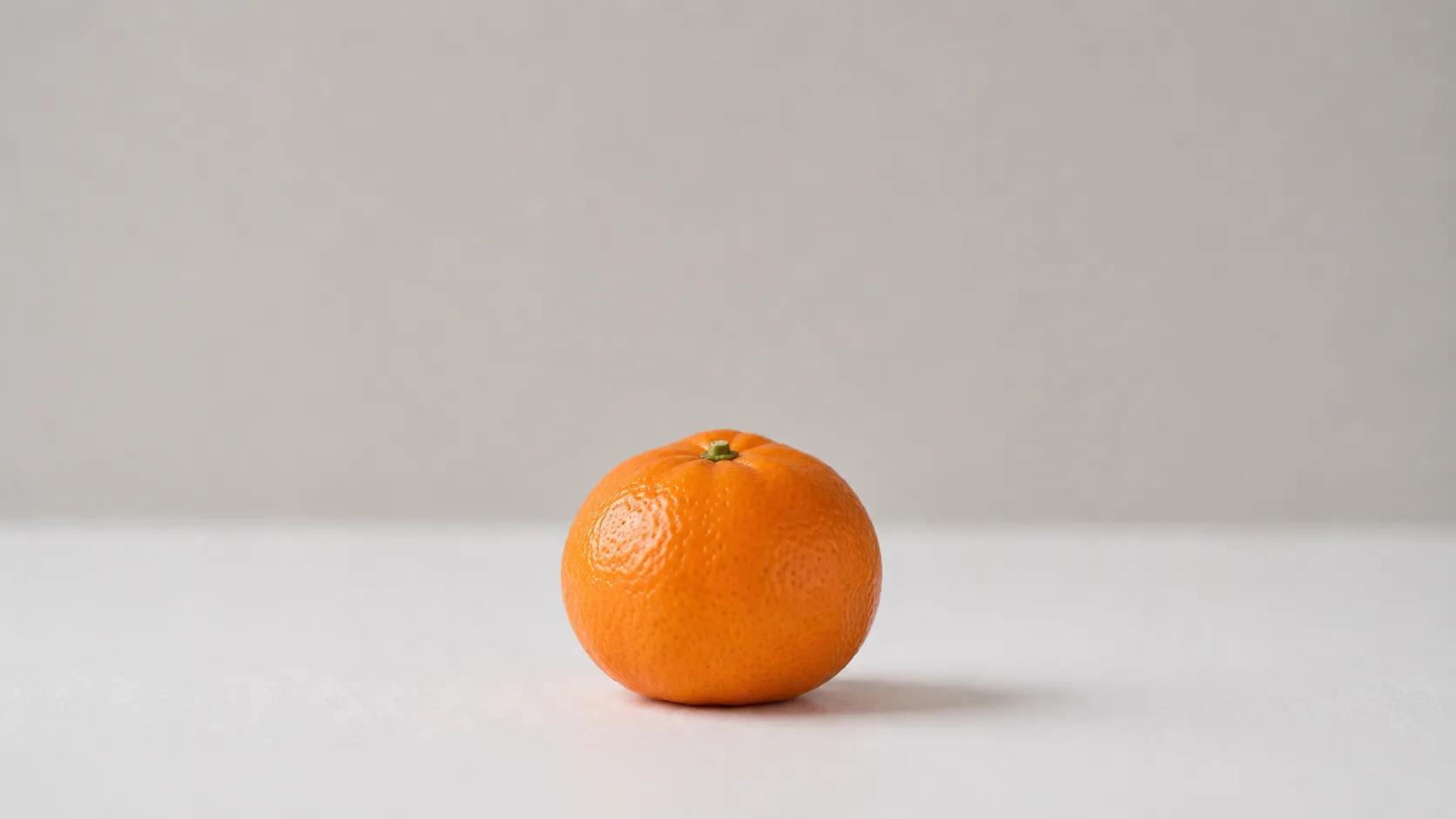
Clementine is a moderate choking risk - a whole segment is a slippery, sealed pod that can be just the wrong shape to swallow, and the seeds are a hazard too.
Open or flatten each segment so it is no longer a sealed pod, pull off tough pith and threads, and remove any seeds before serving. See how to serve for age-by-age prep.
Allergens
Clementine is not a common food allergen, so a true food allergy to it is rare.[3]
Start with a small amount and watch for a reaction.
If baby refuses
Citrus can taste sharp, so reach for ripe, sweet varieties like clementines or satsumas. If the membrane texture puts baby off, peel it away and offer just the soft flesh, or stir the chopped flesh through yogurt or oatmeal, where the flavor turns milder.
How to serve
6+ months old
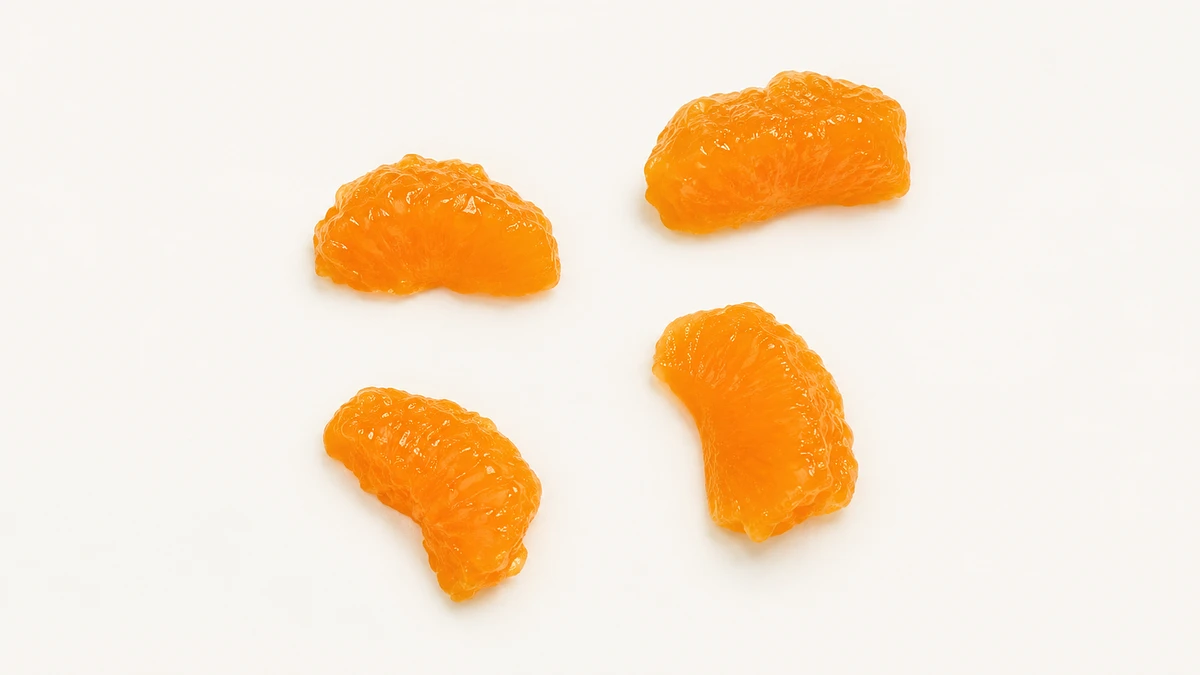
Opened or flattened segments
Whole segments, sliced open lengthwise
Peel, separate the segments, and pull off the white pith and stringy threads. Slice each segment open lengthwise or squash it flat so it is no longer a sealed, slippery pod, then offer the pieces for baby to palm. You can also chop the flesh finely and stir it into plain whole-milk yogurt or oatmeal.
Always check each segment for seeds and remove any before serving.
How to cook
No cooking needed. Peel, remove pith and seeds, then slice each segment open lengthwise or squash it flat.
9+ months old
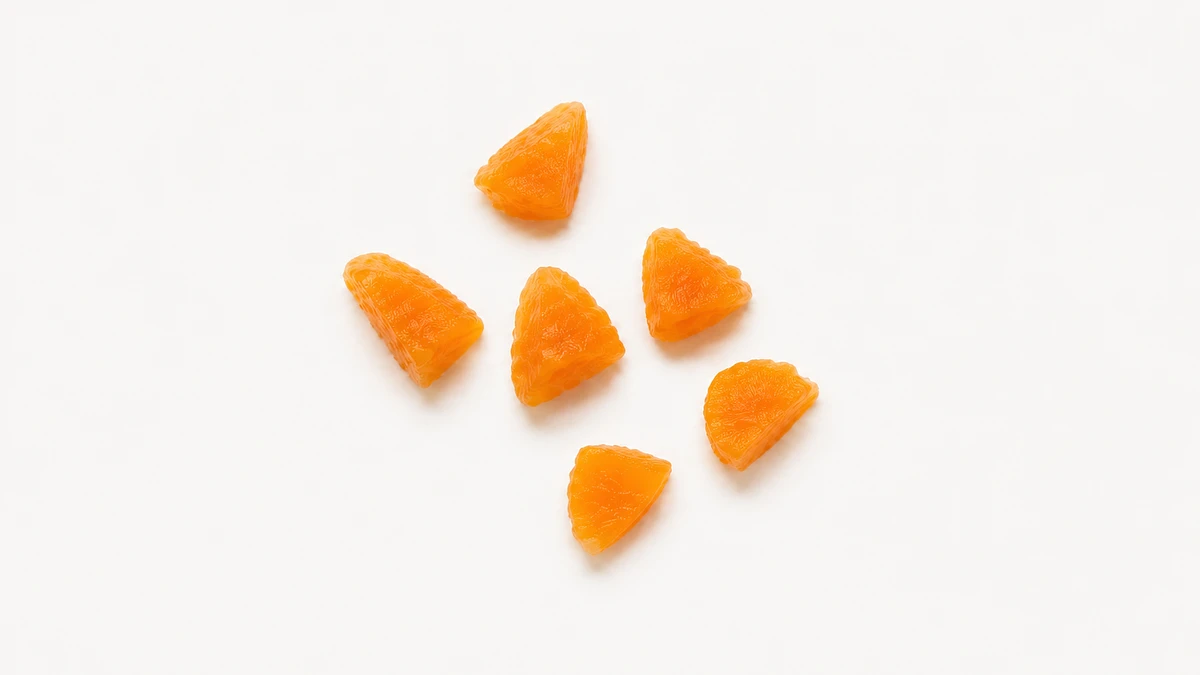
Bite-sized pieces
About 1/2 inch
As the pincer grasp develops, cut opened segments into bite-sized pieces baby can pick up between thumb and forefinger. The thin, soft membrane on most clementines can be left a little more intact now to see how baby manages. Keep removing seeds.
How to prepare
No cooking needed. Peel, remove pith and seeds, then cut the segments into small pieces.
18+ months old
Opened or halved segments
Keep opening or halving each peeled segment lengthwise so it is no longer a sealed pod, as biting through the soft membrane is still good chewing practice. Keep checking for and removing seeds, and cut segments smaller for any toddler who tends to stuff food in or eat in a hurry.
How to cook
No cooking needed. Peel and check for seeds. Serve segments as a snack or stirred through fruit salads and yogurt.