 HeySolids
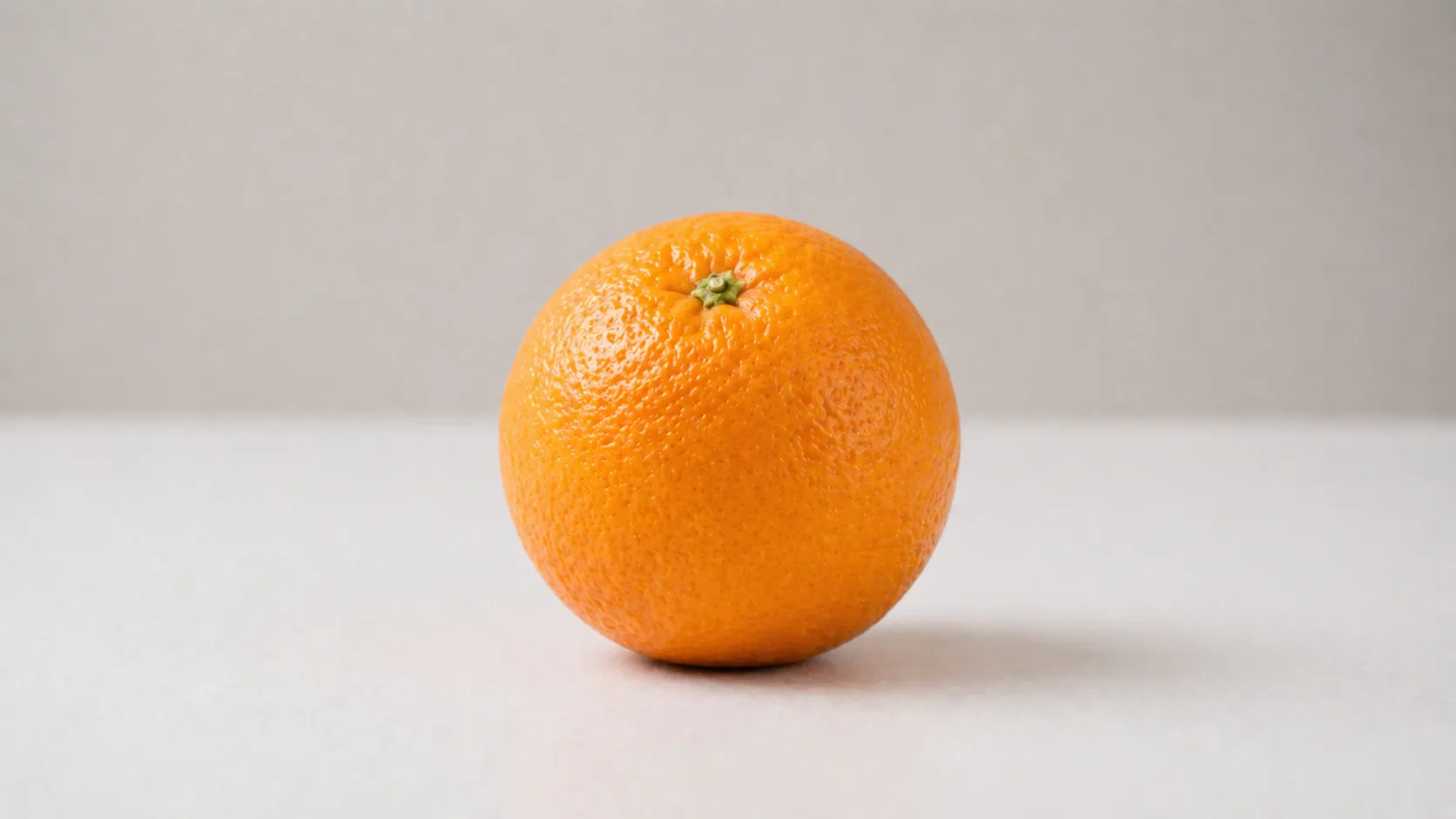
Choking risk
Orange is a moderate choking risk - a whole segment is a slippery, tapered pod the membrane can hold in just the wrong shape to swallow.
Peel off the pith, remove every seed, and either slit each segment open or strip the tough membrane off and offer the soft flesh. See how to serve for age-by-age prep.
Allergens
Orange is not a common food allergen, so a true food allergy to it is rare.[3]
Far more often, citrus acid leaves a harmless red patch where the fruit touches the skin around the mouth. That's irritation, not an allergy, and it fades on its own.[2]
Start with a small amount and watch for a reaction.
If baby refuses
Orange can taste sharp, so reach for a ripe, sweet seedless variety like navel. If the membrane puts baby off, strip it away and offer just the soft flesh, or stir the fruit through yogurt or oatmeal where the flavor turns milder.
How to serve
6+ months old
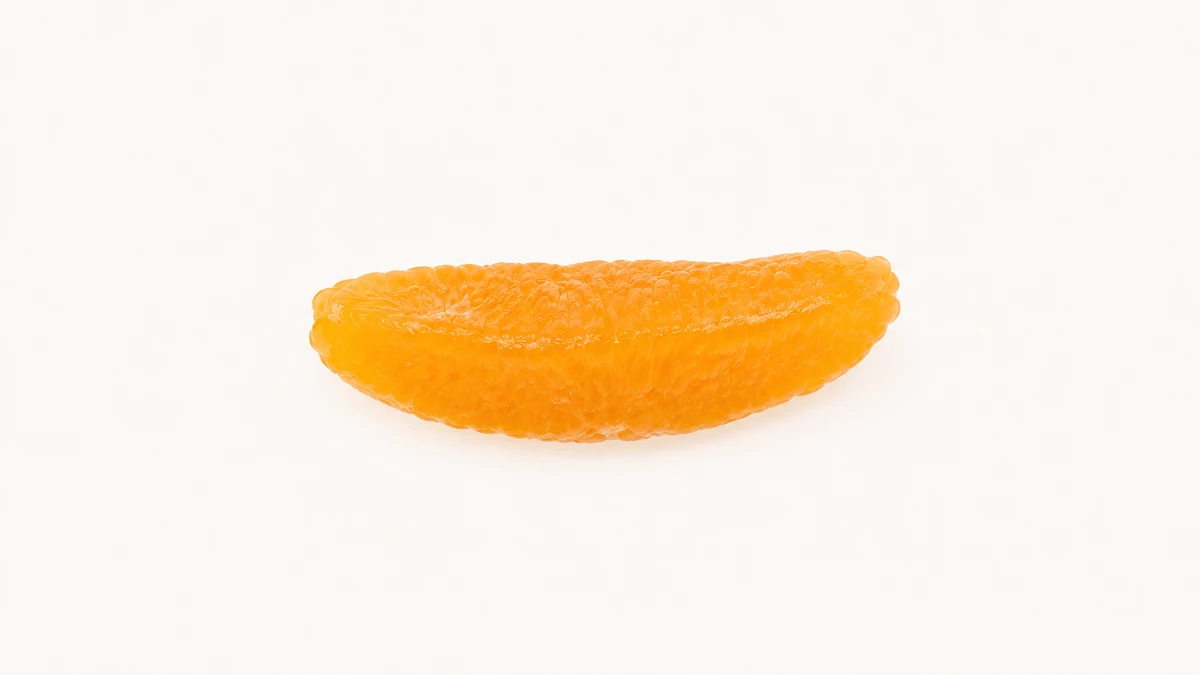
Large peeled segment or soft flesh
Peel the orange, pull off the white pith and threads, and offer a large segment slit open for baby to hold and suck. If the membrane is tough, cut it away and offer just the soft flesh. You can also chop the flesh finely and stir it into plain whole-milk yogurt or oatmeal.
Check every segment and remove any seeds before serving, even from fruit sold as seedless.
How to prepare
No cooking needed. Peel, remove the pith and seeds, then slit a large segment open or cut the soft flesh away from the membrane.
9+ months old
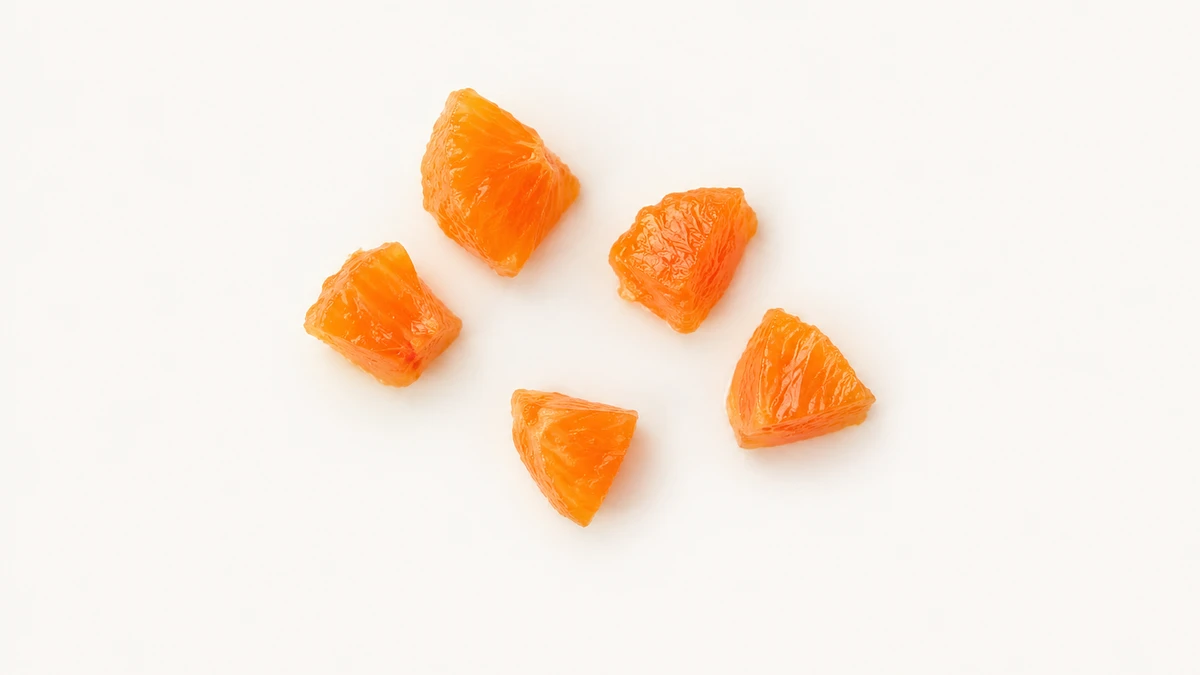
Bite-sized pieces
About 1/2 inch, thumb-and-finger sized
As the pincer grasp develops, cut the soft flesh into bite-sized pieces baby can pick up between thumb and finger. The membrane is usually too tough to leave on, so keep removing it and offering the flesh. Keep checking for and removing seeds.
How to prepare
No cooking needed. Peel, remove the pith, membrane, and seeds, then cut the flesh into small pieces.
18+ months old
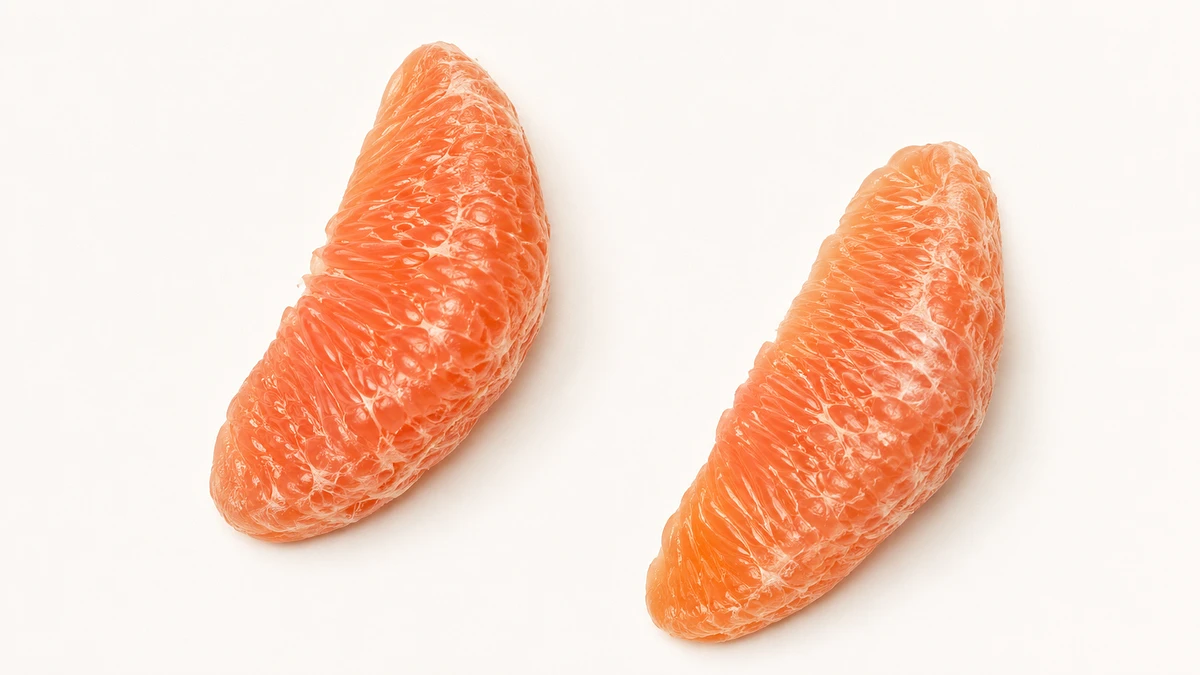
Whole or halved segments
Whole peeled segments, halved lengthwise for younger toddlers
Once you're comfortable with your toddler's chewing, offer whole peeled segments, since biting through the soft membrane is good practice. Keep checking for and removing seeds, and go on halving segments lengthwise for any toddler who tends to stuff food in or eat in a hurry.
How to prepare
No cooking needed. Peel and check for seeds. Serve segments as a snack or stirred through fruit salad and yogurt. Whole fruit is better than juice, which is more sugary and acidic.
Sources
- Choking Hazards (Infant & Toddler Nutrition) - CDC
- Starting Solid Foods - AAP HealthyChildren
- Food Allergies (the 9 major US allergens) - FDA
- Pollen Food Allergy Syndrome - ACAAI
- When, What, and How to Introduce Solid Foods - CDC
- Oranges, raw, all commercial varieties (FDC 169097) - USDA FoodData Central