 HeySolids
Choking risk
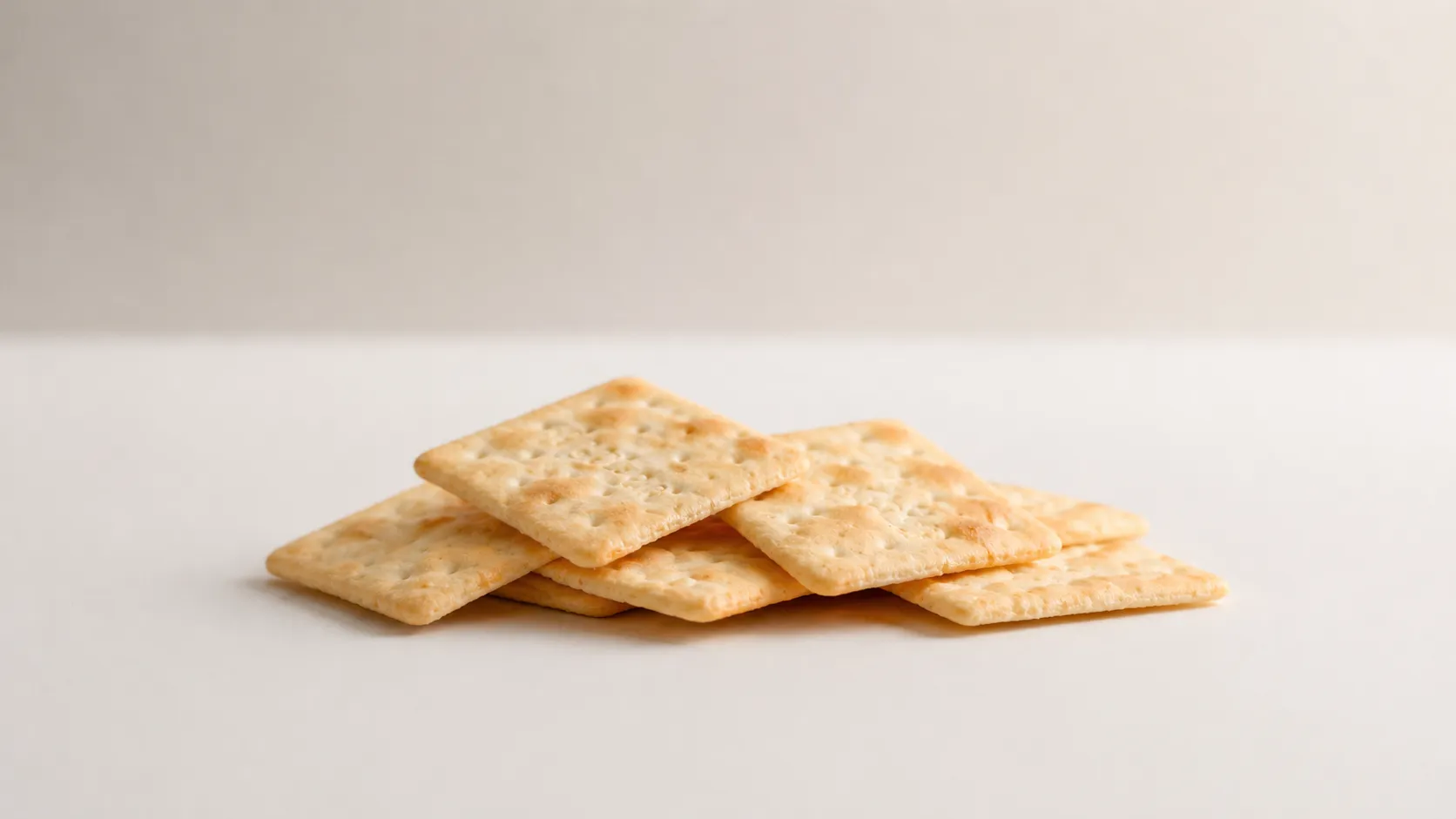
Crackers are a moderate choking risk - hard ones snap into sharp pieces, and dry crumbs are difficult to manage before chewing skills develop.
The type matters more than the prep: choose crackers that dissolve in the mouth for young babies, save crumbly soft types for after the first birthday, and hold off on hard, brittle, or seeded crackers until around 2.
See how to serve for age-by-age prep.
Allergens
Wheat is a common food allergen, and most crackers are made from wheat.[1]
Crackers usually contain wheat, and many contain milk, soy, or sesame too - so check the label, and introduce each of those allergens on its own before offering the cracker itself. Once every allergen in the ingredients list has been tolerated, offer crackers around 6 months on a day you can watch baby, then keep wheat in the diet regularly.
Offer it on its own, start with a small amount, and watch for a reaction.
If baby refuses
Crackers are usually a popular self-feeding food. If yours turns them down, try a different shape, or spread a thin layer of a familiar topping like mashed avocado or smooth nut butter to make a plain cracker more appealing.
Food safety
Many store crackers are high in sodium, and babies need very little salt. Children under 2 should have no added salt, so check the label, pick a lower-sodium cracker, and keep portions small.[4][5]
How to serve
6+ months old
Soft baby crackers
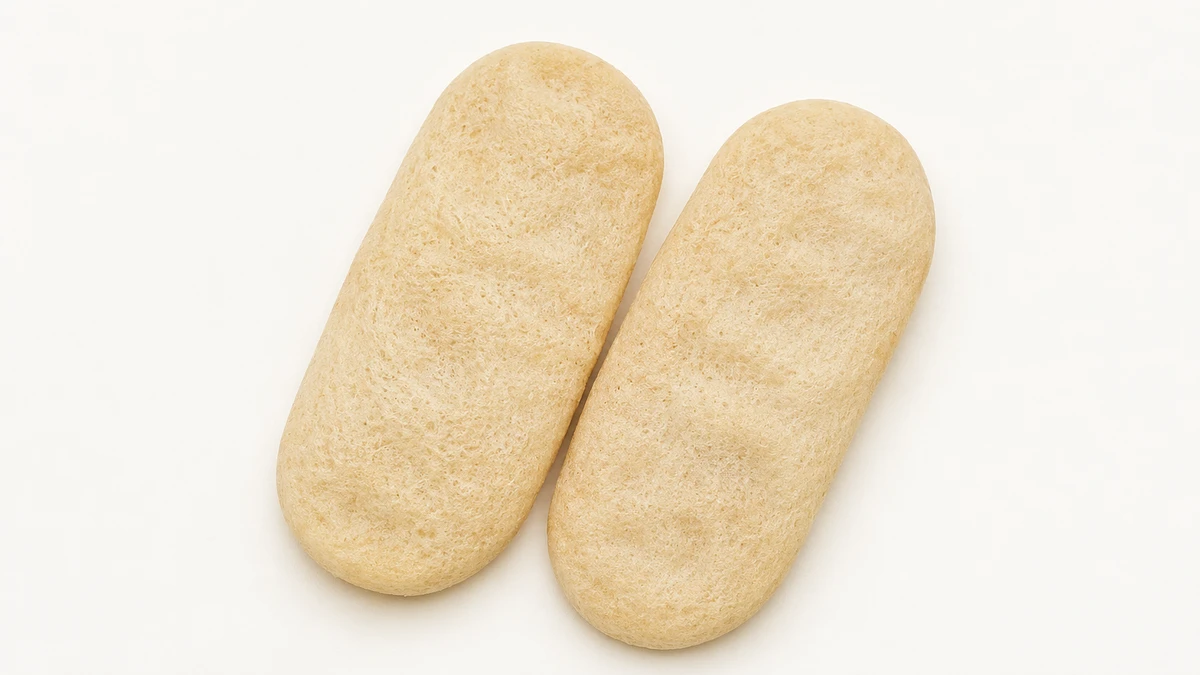
Choose crackers made for babies - teething wafers, rusks, or thin crackers designed to dissolve in the mouth, so they don't need chewing. Offer a whole one to hold and gnaw, plain or with a thin layer of mashed avocado, full-fat cream cheese, or a smooth nut or seed butter.
Use fresh crackers, as stale ones change texture and get harder to manage, and skip anything made with honey before 12 months because of the risk of infant botulism.
How to cook
No cooking needed. If a cracker seems dry, soak it in water, breastmilk, or formula for around 30 seconds first.
12+ months old
Soft crackers
Soft crackers that crumble easily when pressed work well now that chewing is more established - think buttery rounds, saltines, water biscuits, and small baked cheese crackers.
Serve them whole or halved, plain or with a thin spread like hummus, cream cheese, or mashed avocado.
Hold off on hard, brittle crackers and anything with seeds, nuts, or whole grain kernels - those are still choking hazards. Pick a lower-salt option where you can.
How to cook
No cooking needed. Keep choosing lower-sodium crackers and keep portions small, since crackers are a refined snack. Serve with dips, spreads, or toppings.[4]
24+ months old
Most crackers are fine now, including crispbreads and thicker rice cakes. Hard, brittle, or seeded types still take confident chewing, so introduce them gradually and keep them for the table. Crackers make a good base at this age - top with cheese, hummus, nut butter, or whatever the family is eating.
Sources
- Wheat - FARE
- When to Introduce Egg, Peanut Butter & Other Common Food Allergens - AAP HealthyChildren
- When, What, and How to Introduce Solid Foods - CDC
- Foods and Drinks to Avoid or Limit (honey, added sugar, salt) - CDC
- Dietary Guidelines for Americans 2020-2025 (birth-24 months: no added sugar/salt under 2) - USDA/HHS
- Botulism Prevention (no honey under 1) - CDC
- Crackers, saltines, whole wheat (includes multi-grain) (FDC 167942) - USDA FoodData Central