 HeySolids
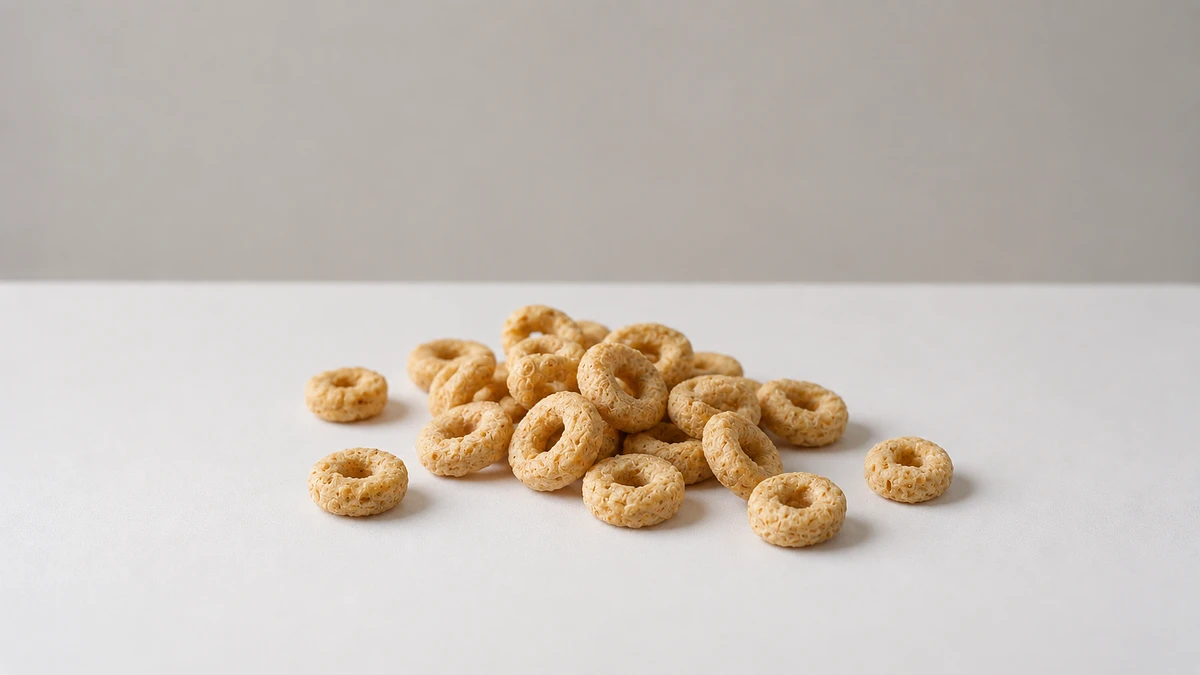
Choking risk
Plain O-shaped cereal is a low choking risk for a baby who sits well and is already managing lumpy textures - the rings soften and fall apart quickly in the mouth.
Offer a few at a time on the tray rather than a pile, or soften them in milk first for a newer eater. See how to serve for age-by-age prep.
Allergens
Oats are not a common food allergen, so a true allergy to plain oat O's is rare.
Flavored versions are a different story - some add wheat, almonds, or peanut ingredients, so check the box and introduce any allergen on its own first.[1]
Start with a small amount and watch for a reaction.
If baby refuses
Most babies take to O's fast - the shape does the selling. If yours ignores them, soften a few in milk and offer them on a spoon, or press them into yogurt or mashed banana so they come along with a familiar taste.
Food safety
Stick to the plain, unsweetened kind. Honey-sweetened versions are off the menu before 12 months - honey in any food carries the infant botulism risk - and the flavored ones are mostly added sugar, which isn't recommended under 2.[2][3]
How to serve
9+ months old
A few dry rings on the tray
5-6 O's at a time
Once baby sits steadily, handles lumpy textures, and is starting to pick things up between thumb and finger, put a few plain O's on the tray at a time. The small size is the point - each ring is a rep of pincer-grasp practice, and the cereal softens fast once it's in the mouth.
For a more cautious start, let a few rings sit in milk until soft and offer them on a spoon. Most plain O's are iron-fortified, a nice bonus at an age when iron matters.[4]
How to prepare
No prep beyond opening the box - just choose plain, unsweetened O's and refill the tray a few at a time.
12+ months old
Dry snack or cereal with milk
A small handful, or a small bowl
O's work two ways now: dry by the small handful as a snack, or in a bowl with whole milk as breakfast. Stirred into yogurt with fruit they add crunch without sugar.
Keep the plain kind as the default - the honey and flavored versions bring added sugar a toddler doesn't need.[3]
How to prepare
Serve dry, with milk, or scattered over yogurt or fruit. A snack cup keeps a portion contained on the go.